2026 Top Trends in Eva Hot Melt Glue Applications and Innovations?
The landscape of adhesive technology is rapidly evolving, with Eva Hot Melt Glue at the forefront. This versatile adhesive is gaining traction across various industries, including packaging, textiles, and automotive. Companies are increasingly recognizing its ability to bond different materials effectively. Innovations in Eva Hot Melt Glue formulations are leading to enhanced performance and application flexibility.
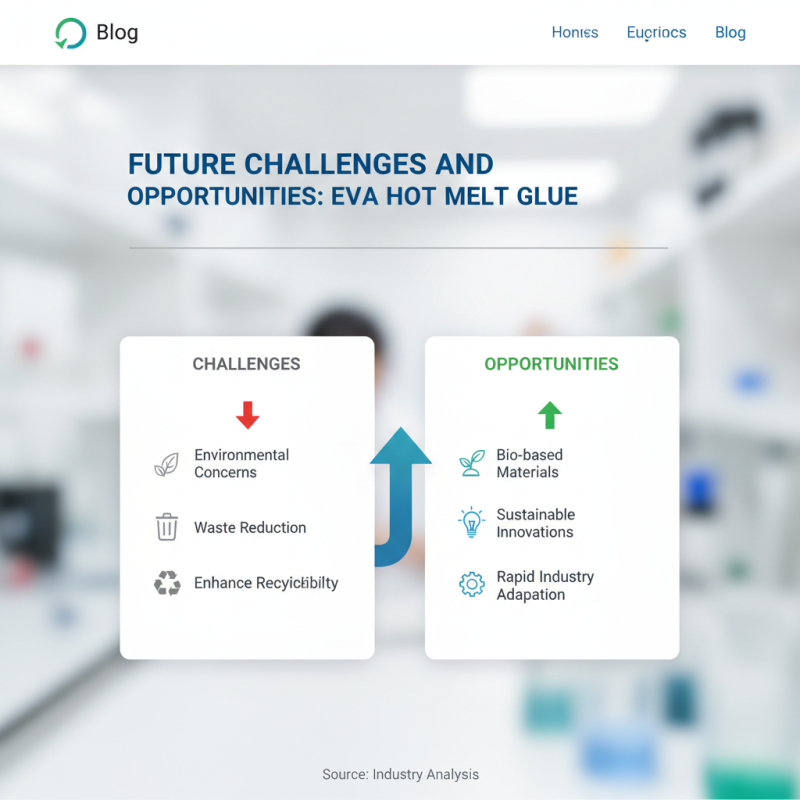
As trends shift, manufacturers are seeking eco-friendly alternatives. Sustainable and bio-based options of Eva Hot Melt Glue are emerging, capturing market interest. However, challenges remain in balancing performance with environmental considerations. The quest for improved adhesion strength and thermal resistance continues.
In this dynamic environment, it is crucial to stay informed about the latest advancements. Stakeholders must navigate the complexities of these changing trends. Overall, the future of Eva Hot Melt Glue applications appears promising, yet it invites ongoing exploration and adaptation.

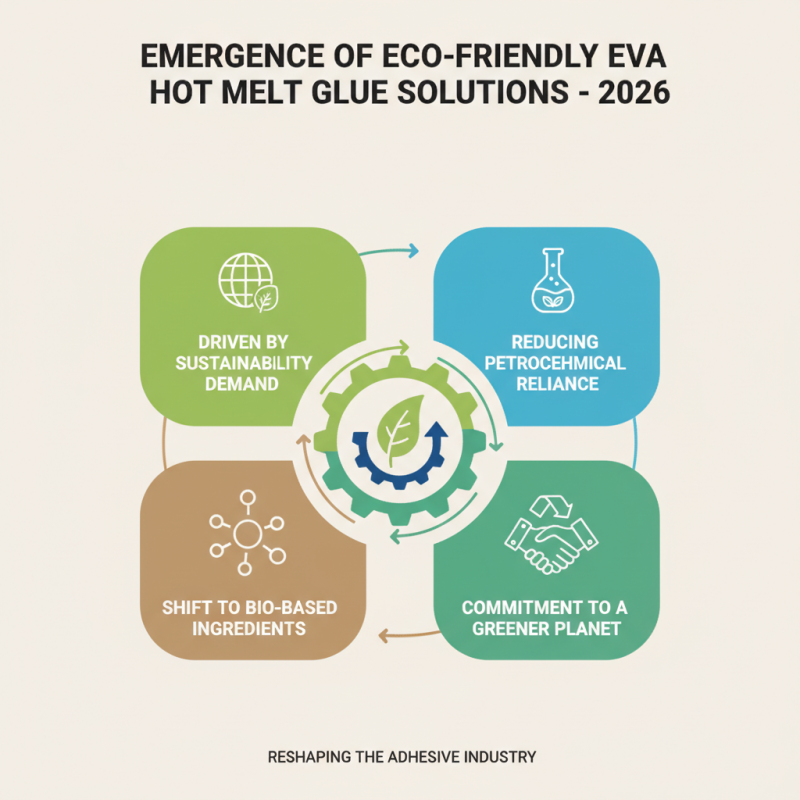
Emergence of Eco-Friendly EVA Hot Melt Glue Solutions in 2026
The emergence of eco-friendly EVA hot melt glue solutions is reshaping the adhesive industry in 2026. These innovations are driven by the growing demand for sustainable materials. As environmental concerns escalate, manufacturers recognize the need for greener alternatives. The focus has shifted towards bio-based ingredients, reducing reliance on petrochemicals. This change is not just beneficial; it reflects a commitment to our planet.
New formulations are being developed that maintain performance while being less harmful. For instance, adhesives that feature plant-derived resins are gaining traction. This shift is not without challenges. The production processes need improvement to ensure consistency and reliability. Also, end-users must adapt to these new products. Testing and quality assurance are crucial to ensure these solutions meet industry standards.
Innovation is also expanding in the packaging and textile sectors. Eco-friendly EVA glues are being tested on various substrates, showcasing versatility. Despite benefits, there are still concerns about availability and costs. Not all manufacturers can easily switch to sustainable materials. This transition is complex and requires careful consideration. The journey towards widespread adoption of eco-friendly EVA solutions will continue to evolve as technology advances.
Advancements in EVA Hot Melt Adhesive Formulations and Their Benefits
EVA hot melt adhesives are gaining traction due to significant advancements in their formulations. These innovations enhance performance characteristics, like adhesion strength and temperature resistance. New additives are incorporated to improve flexibility and durability, making applications more reliable. The incorporation of bio-based raw materials is also on the rise. This shift not only meets sustainability goals but also appeals to eco-conscious consumers.
Tips: Explore the latest formulations when selecting adhesives. They can lead to better durability without compromising performance. Using the right adhesive for your specific task can save time and resources.
Another key trend is the customization of EVA adhesives. Manufacturers are now able to tailor formulations to meet specific needs, such as rapid setting times or resistance to harsh chemicals. This customization enables industries to adopt adhesives that fit their unique processes. However, balancing performance with application costs remains a challenge.
Tips: Always test adhesive samples before committing to a large scale. Every project is unique, and the right fit can make all the difference in achieving optimal results.
2026 Top Trends in EVA Hot Melt Glue Applications
This bar chart illustrates the projected trends in the applications of EVA hot melt adhesives across various industries in 2026. The data indicates significant growth in packaging and automotive sectors, highlighting the versatility and expanding use cases of EVA hot melt glue.
Key Industries Driving the Demand for EVA Hot Melt Adhesives in 2026
In 2026, the demand for EVA hot melt adhesives is significantly driven by key industries such as packaging, automotive, and construction. According to a recent market analysis report, the global hot melt adhesive market is projected to reach $8.69 billion by 2026, with EVA adhesives accounting for a substantial segment. This growth is primarily attributed to the increasing need for efficient bonding solutions in packaging materials. Companies are shifting toward lightweight, recyclable materials, enhancing the demand for innovative adhesive applications.
The automotive industry is also embracing EVA hot melts. These adhesives provide durable bonds that withstand extreme conditions, crucial for vehicle assembly. A study by the Adhesive and Sealant Council highlights a 15% rise in adhesive use in automotive applications over the next three years. As manufacturers seek to improve vehicle performance, EVA hot melts offer the reliability needed for structural and decorative applications. However, challenges remain, such as avoiding over-reliance on certain suppliers and adapting to rapidly changing regulations.
Construction, too, is a booming field for EVA hot melts. The push for energy-efficient buildings increases the need for effective insulation and sealing materials. A report by Smithers noted that the construction sector could see a 20% increase in adhesive consumption by 2026. As sustainable innovation continues, integrating bio-based materials with traditional adhesives remains a focus area for research and development. Balancing performance with eco-friendliness is key.
Innovations in Application Techniques for EVA Hot Melt Adhesives
The evolving landscape of EVA hot melt adhesives is being shaped by innovations in application techniques. As industries embrace these advancements, efficiency and effectiveness become paramount. According to a market study by Smithers Pira, the global hot melt adhesives market is projected to reach $10.2 billion by 2026. This growth is driven by improvements in adhesion strength and temperature resistance.
New application techniques are making EVA adhesives more versatile. Advanced nozzle designs enable precise distribution, reducing waste. Techniques such as slot die coating are gaining traction. They allow for consistent thickness and minimal downtime during production. However, integrating these methods requires training and adaptation. This can be a steep learning curve for some operators.
Moreover, automated application processes are becoming more prevalent. Robotics and smart technology can enhance adhesion quality while minimizing human error. Yet, not all companies are ready to adopt these changes. Challenges remain in balancing innovation with existing production systems. Continuous evaluations are necessary for effective integration. These factors illustrate the dynamic nature of the EVA hot melt adhesive industry and its ongoing innovations.
2026 Top Trends in Eva Hot Melt Glue Applications and Innovations
| Application Area |
Trend |
Innovation Technique |
Benefits |
| Packaging |
Sustainability |
Bio-based EVA formulations |
Reduced environmental impact |
| Automotive |
Weight Reduction |
Advanced hot melt application techniques |
Improved fuel efficiency |
| Construction |
Rapid Curing |
Innovative bonding agents |
Quicker project turnaround |
| Electronics |
Miniaturization |
Precision application techniques |
Increased design flexibility |
| Medical |
Biocompatibility |
New EVA formulations |
Enhanced patient safety |
 +86-15666836565
 CONTACT NUMBER