How to Choose the Best Adhesive for Wood Projects?
Choosing the right adhesive for wood projects is crucial. High-quality adhesives enhance durability and performance. According to a recent industry report by Adhesive Insights, the global wood adhesive market is expected to reach $XX billion by 2025, highlighting increasing demand.
Renowned expert Dr. Emily Carter states, "A proper adhesive for wood can significantly reduce project failure rates." This underscores the importance of selecting the right product. Various adhesives are available, but not all are suitable for every wood type or application.
Woodworkers often struggle to identify the best options. The wrong choice can lead to costly mistakes and wasted materials. For effective project outcomes, understanding adhesive types and their properties is essential. Exploring options like PVA, polyurethane, or epoxy can make a difference.
Understanding the Different Types of Wood Adhesives Available
Wood adhesives come in various types, each suited for specific applications. Understanding these adhesives is crucial for successful wood projects.
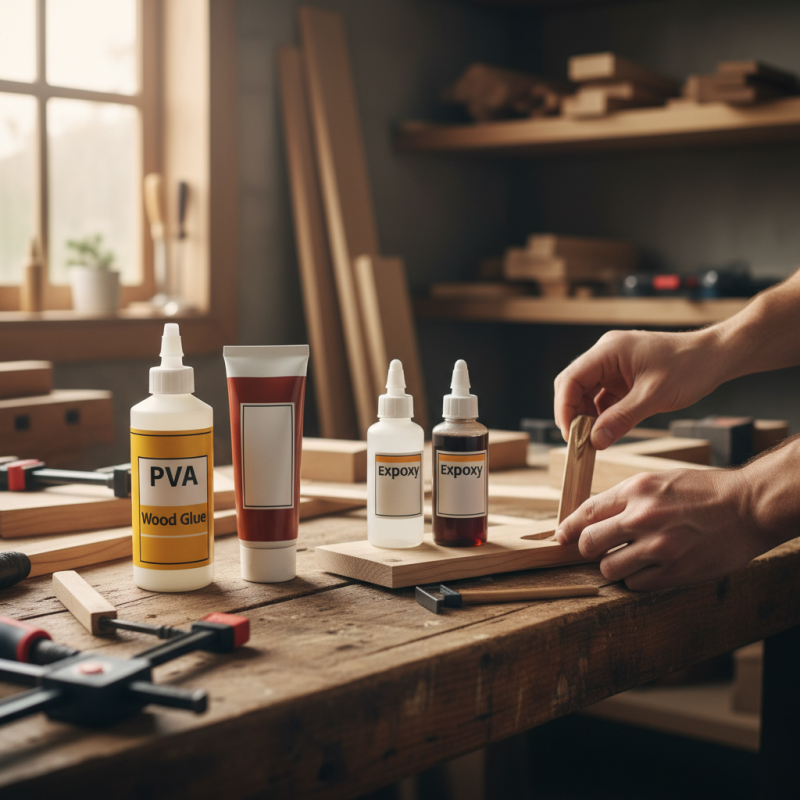
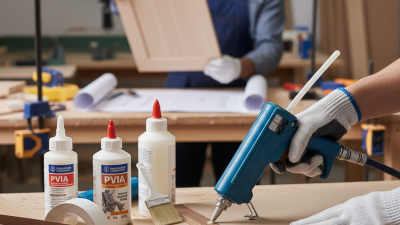
PVA is one of the most common wood adhesives. It is water-based and easy to clean up.
Research shows that PVA can provide a bond strength of up to 3,600 psi, depending on the type used.
This makes it ideal for indoor furniture and crafting.
Polyurethane adhesives are another option. They offer exceptional moisture resistance and can bond various materials.
A study indicates that polyurethane can reach bond strengths exceeding 4,000 psi when fully cured.
However, it requires more careful application and longer curing times.
Consider that polyurethane expands as it cures, which can be a challenge in tightly fitting joints.
Epoxy adhesives are the go-to choice for highly demanding woodworking tasks.
They are known for their strong bond and resistance to heat and chemicals.
Industry reports suggest that epoxy can achieve bond strengths above 5,000 psi, making it suitable for structural applications.
Yet, epoxy requires precise mixing and careful handling, pointing to the importance of technique in achieving optimal results.
Understanding these differences can guide you in choosing the right adhesive for your wood projects.
Evaluating the Strength and Durability of Adhesives for Wood
When evaluating the strength and durability of adhesives for wood projects, it’s essential to consider the type of wood being used. Different woods have varying densities and grain patterns. For softer woods, a PVA glue might suffice, but for hardwoods, you may need something stronger. Always test the adhesive on scrap pieces before applying it to your main project. This trial can reveal unexpected bonding issues.
Another factor to consider is moisture resistance. Projects exposed to humidity or water require adhesives that can withstand such conditions. For exterior projects, look for options labeled as waterproof or water-resistant. However, even these may not hold against extreme weather over time. It’s crucial to read product specifications carefully.
Adhesive application techniques also impact durability. Uneven spreads or insufficient clamping can lead to weak bonds. Ensure the surfaces are clean and well-fitted. Don't rush the process; take the time to achieve an even coat. Reflect on past projects where adhesion failed and analyze what went wrong. This reflection will enhance your skills and improve future projects.
Considering the Environmental Impact of Various Adhesives
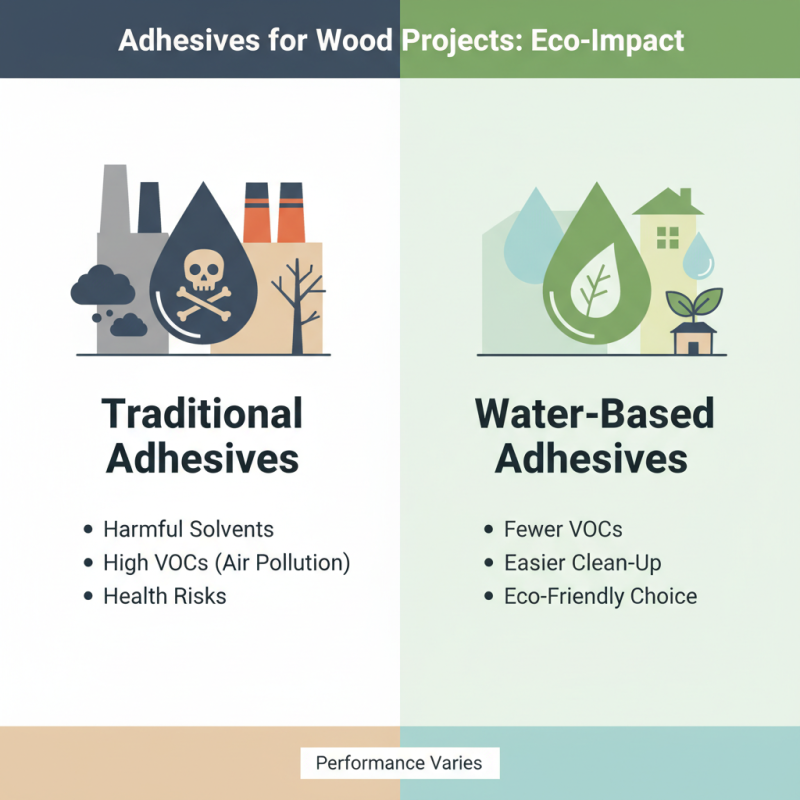
When considering the environmental impact of adhesives for wood projects, it's essential to evaluate different types. Traditional adhesives often contain harmful solvents and chemicals that can release volatile organic compounds (VOCs). These substances contribute to air pollution and can harm human health. Opting for water-based adhesives is a more eco-friendly choice. They tend to emit fewer VOCs and are easier to clean up. However, they may not perform as well under certain conditions.
Another factor to consider is the sourcing of raw materials. Some adhesives utilize natural components, like plant-based resins. These are generally biodegradable and reduce the reliance on petroleum-based products. Yet, the availability of these materials can vary, potentially leading to supply chain issues. Reflecting on the long-term sustainability of adhesive choices can also reveal gaps in our knowledge. Many woodworkers remain unaware of the vast array of environmentally safe options.
Lastly, even the most eco-friendly adhesive may not be perfect. Factors like durability, cure time, and cost often weigh heavily in decision-making. Balancing environmental impact with practical needs requires thoughtful consideration. Woodworkers must frequently assess their priorities to make informed choices. A little reflection on the materials we choose can lead to more sustainable practices in the long run.
Assessing the Working Time and Curing Process of Adhesives
When choosing an adhesive for wood projects, the working time and curing process are crucial. The working time refers to the period during which you can adjust the parts before the glue sets. Most wood glues offer a window of 30 minutes to several hours. This time frame allows for positioning and alignment but may vary based on temperature and humidity. Observing your specific environment is essential. You may find that certain adhesives set faster than expected.
The curing process determines how long an adhesive takes to fully bond. While some glues bond quickly, others need additional hours or even days for complete strength. It’s vital to consider the long-term stability of the joint. For example, some high-performance adhesives may require clamping for an extended period. This can be frustrating, especially if a project is time-sensitive. The right balance between working time and curing speed needs careful assessment.
Experimenting with different adhesives can reveal unique results. Observe your projects and assess which adhesives offer the best performance. Take note of drying times and weaknesses during use. Don’t hesitate to adjust your choices based on these reflections. Remember, the perfect adhesive for one project might not work for another. Being adaptable is key in woodworking.
Comparison of Adhesives for Wood Projects
Choosing the Right Adhesive for Specific Wood Projects and Applications
Choosing the right adhesive for your wood project can significantly impact the final outcome. Different types of adhesives have varying strengths and limitations, making it vital to match them with your specific application. For instance, polyurethane glue is known for its water resistance and expands as it cures, making it suitable for outdoor projects. In contrast, PVA glue is more user-friendly but may not hold up well in damp conditions. According to industry reports, woodworkers prefer PVA adhesives for indoor furniture due to their ease of use and strong bond.
Tips: Always test the adhesive on a scrap piece of wood before applying it to your main project. This can help you identify any potential issues early on. A common pitfall is assuming that any glue will work for any type of wood. Hardwoods often require different adhesives than softwoods.
Different projects may call for different techniques. When assembling intricate pieces, consider using cyanoacrylate (super glue) for quick bonding. However, this type of adhesive can be brittle under stress, which could lead to failures down the line. Having a backup plan, like using clamps while the glue sets, can enhance the durability. Industry data shows that a well-prepared surface improves adhesion strength by up to 50%. Always ensure your wood is clean and dry before gluing to maximize effectiveness.
How to Choose the Best Adhesive for Wood Projects?
| Adhesive Type |
Best For |
Drying Time |
Water Resistance |
Ease of Use |
| PVA Glue |
General carpentry |
30 minutes to 24 hours |
Low |
Easy |
| Polyurethane Glue |
Outdoor projects |
1 to 6 hours |
High |
Moderate |
| Epoxy |
Heavy-duty bonding |
30 minutes to 24 hours |
Very high |
Challenging |
| Hide Glue |
Fine woodworking |
30 minutes to 12 hours |
Low |
Easy |
| Cyanoacrylate |
Quick repairs |
Seconds to minutes |
Moderate |
Very easy |
 +86-15666836565

 CONTACT NUMBER