2026 How to Choose the Right Edge Banding Adhesive for Your Project?
Choosing the right Edge Banding Adhesive is crucial in achieving quality finishes in woodworking projects. According to a report by the Woodworking Industry Association, nearly 70% of woodworkers encounter challenges with adhesive choices. The right adhesive can significantly impact durability and appearance.
Expert Robert Johnson, a renowned figure in the adhesive technology sector, emphasizes, "Selecting the proper Edge Banding Adhesive can make or break a project." His insights highlight the importance of compatibility with various materials. For instance, PVA adhesive works well for softer woods, while hot-melt adhesives are preferred for high-stress applications.
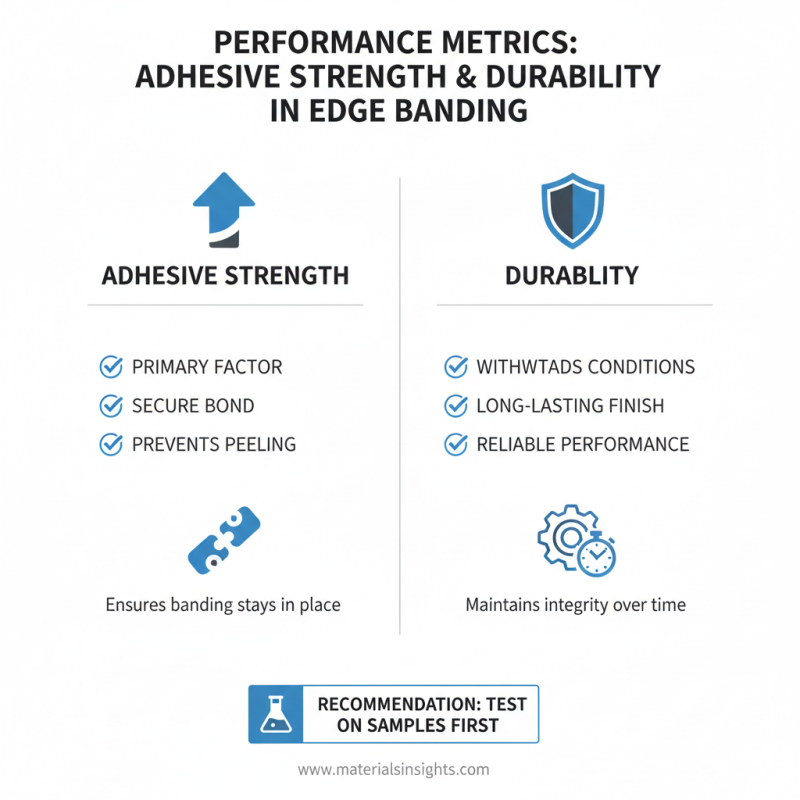
However, not all adhesives perform flawlessly. Some may exhibit issues like insufficient bonding strength over time. It's essential to assess the specific needs of each project carefully. Factors like environment, substrate type, and edge band material can all influence adhesive effectiveness. Understanding these elements can lead to better outcomes and minimize common pitfalls.
Understanding Edge Banding Adhesives: Types and Properties
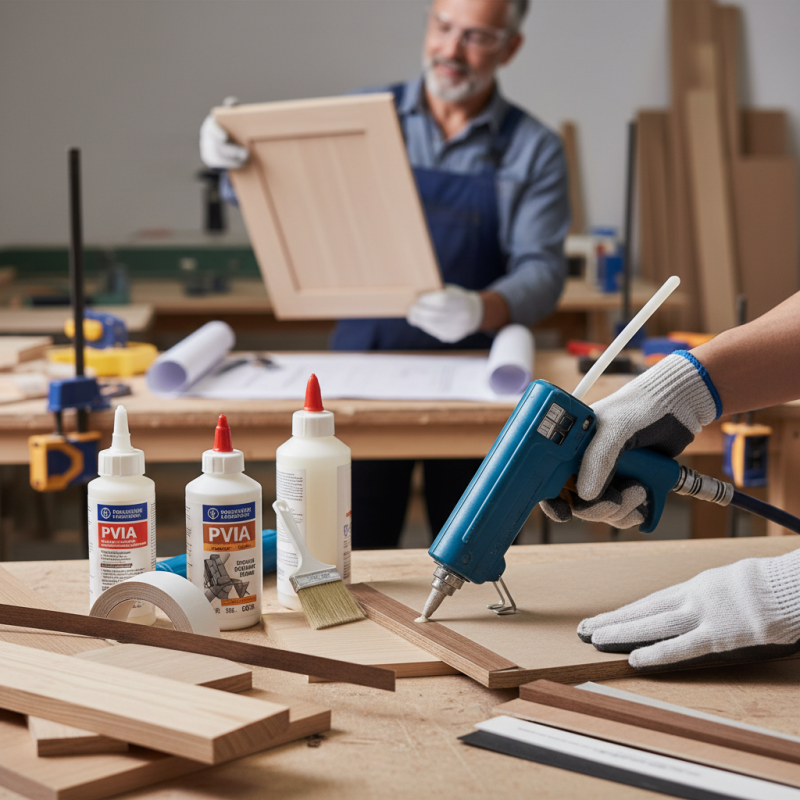
When it comes to edge banding adhesives, understanding their types and properties is crucial. There are several categories, including hot melt, PVA, and polyurethane adhesives. Hot melt adhesives are popular due to their quick setting time. However, they can lack flexibility. A study indicates that around 45% of furniture manufacturers prefer hot melt for speed, but this also raises questions on durability.
PVA adhesives, known for their excellent bonding properties, may require longer curing times. They are water-based and can be more environmentally friendly. Data suggests that about 30% of woodworking professionals opt for PVA for its reliability. On the downside, they may struggle with moisture resistance, which is a consideration for certain projects.
Polyurethane adhesives stand out for their unmatched water resistance. They are especially beneficial for projects exposed to high humidity. Yet, they can be difficult to apply correctly. Many users report challenges in achieving an even coat. This perfect balance between ease of use and durability needs to be considered. Choosing the right adhesive remains a nuanced decision, influenced by the specifics of each project.
Factors Influencing Adhesive Selection for Edge Banding Projects
Choosing the right edge banding adhesive can significantly influence the durability and appearance of your project. Various factors impact adhesive selection, including material compatibility, environmental conditions, and application method. A study from the Adhesive and Sealant Council indicates that over 70% of adhesive failures arise from incorrect material match. Selecting the right adhesive ensures longevity and a better finish.
Material compatibility plays a critical role. Different substrates, such as MDF, plywood, or solid wood, react uniquely to various adhesives. For example, polyvinyl acetate (PVA) works well with porous surfaces, but may struggle with dense materials. Likewise, an epoxy might be necessary for outdoor applications, as it is more resistant to moisture.
Environmental factors also matter. High humidity can affect adhesion strength. The Material Analysis Report shows that adhesives perform optimally when conditions are stable. Furthermore, the method of application can introduce challenges. Not all adhesives are suitable for spray or roller application, which can lead to inconsistent results and wasted materials. These nuances highlight the importance of careful selection in edge banding projects.
Application Techniques: Ensuring Optimal Adhesive Bonding
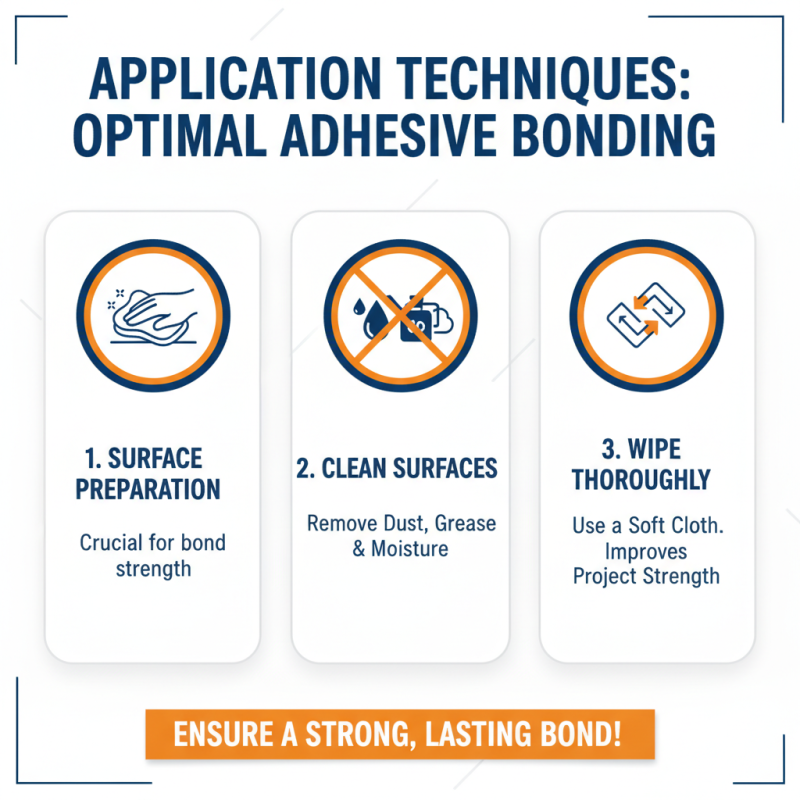
When selecting the right edge banding adhesive, application techniques matter greatly. Proper surface preparation is crucial. Dust, grease, or moisture on the edges can weaken the bond. Clean the surfaces thoroughly before applying the adhesive. Use a soft cloth to wipe away contaminants. This step impacts the overall strength of your project.
Applying the adhesive requires care. Use a steady hand to ensure an even application. A thin layer is often more effective than a thick one. Be cautious not to oversaturate the edges. This can lead to messy excess that complicates the finishing process. It might be tempting to rush this step, but patience is key.
Allow the adhesive to set properly. Curing time varies based on the adhesive type and environmental conditions. Monitor the surroundings for temperature and humidity levels, as these can affect bonding strength. If the results don't meet your expectations, reflect on the application process. Were the surfaces adequately prepped? Did the correct amount of adhesive get used? Adjusting these variables can lead to better outcomes.
Environmental Considerations: Choosing Eco-Friendly Adhesives for Projects
When selecting edge banding adhesives, environmental considerations play a crucial role. Many industry reports state that the demand for eco-friendly materials is on the rise, with over 70% of consumers looking for sustainable options in their projects. Using low-VOC (volatile organic compounds) adhesives can significantly reduce harmful emissions. This not only protects the indoor air quality but also contributes positively to the environment.
Tips: Always check for certifications like Green Seal or Greenguard. These indicate a product meets strict environmental standards. It's also wise to consider temperature requirements. Some adhesives do not perform well in high heat, which could lead to failures in your project.
Furthermore, opting for water-based adhesives can be a great choice. They are less toxic and more user-friendly. However, keep in mind that they often have a shorter shelf life compared to solvent-based options. It's essential to reflect on your project's needs and goals. Finding the right balance between performance and environmental impact can be challenging, but it's crucial for sustainable practices. There’s no perfect solution, but making informed choices is the first step toward better outcomes.
 +86-15666836565

 CONTACT NUMBER