What is Edgebanding Glue and How Does it Work in 2026?
In 2026, Edgebanding Glue plays a crucial role in the woodworking and furniture industry. This adhesive is essential for finishing edges on plywood, particle board, and other materials. It provides durability and enhances the overall appearance of the finished products.
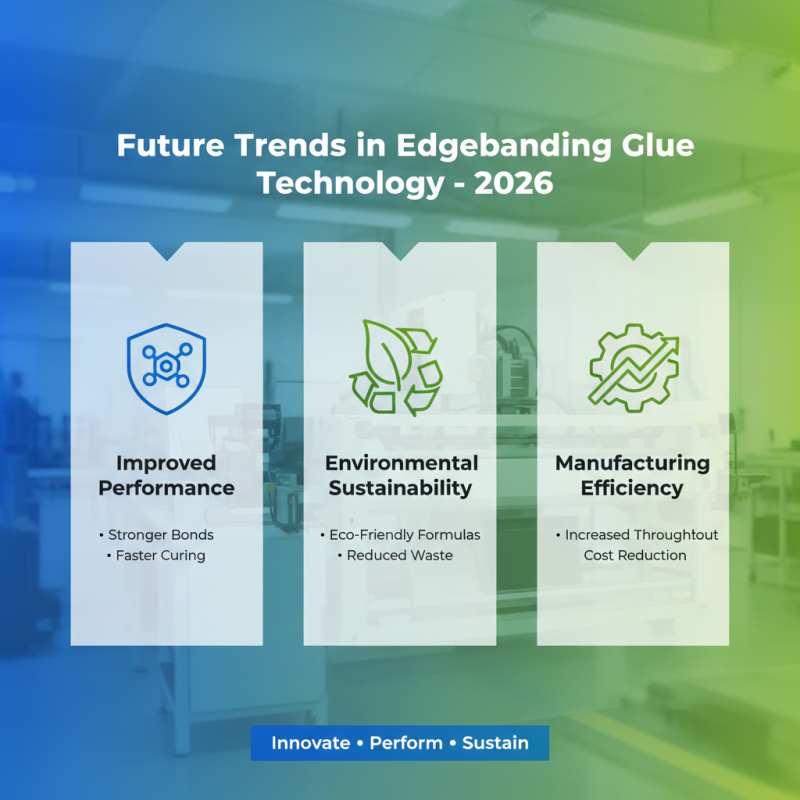
Edgebanding Glue is designed to bond trims securely to surfaces. It is vital for high-quality craftsmanship. The glue must withstand daily wear and tear, moisture, and temperature fluctuations. New formulations have emerged, promising stronger bonds and faster curing times.
However, challenges remain. Some users struggle with the application process. Incorrect temperature settings can lead to weak adhesion. Awareness of these issues is crucial for achieving optimal results. Overall, understanding Edgebanding Glue in 2026 is vital for anyone in the industry.
What is Edgebanding Glue?
Edgebanding glue is a crucial adhesive used in woodworking and furniture manufacturing. It bonds edgebanding materials—such as
PVC, ABS, or wood veneer—to the surfaces of boards like particleboard or MDF.
This process not only improves durability but also enhances aesthetics. According to recent industry reports, the global demand for
edgebanding glue has surged, projected to grow by 5% annually.
The application of edgebanding glue requires precise temperature control. A typical application temperature ranges from 140°F to
200°F. If it's too low, the bond might weaken. Too high, and the glue can burn. The right temperature achieves a strong, lasting bond.
Many experienced manufacturers recommend using hot melt glue, as it solidifies quickly,
making assembly efficient.
Tips: Always test the bond strength on scrap materials before mass production. Ensure your workspace is clean to avoid contamination in
the adhesive. Many users find applying an even layer of glue crucial for consistency. Misapplications can lead to unsightly gaps or peeling edges,
which reflect poorly on craftsmanship.
Types of Edgebanding Glue Used in 2026
In 2026, the landscape of edgebanding glue has evolved significantly. Various types of adhesives are available, each designed for specific applications. Hot melt adhesives remain a popular choice, offering quick setting times. According to recent market analysis, this segment accounts for over 40% of edgebanding glue usage.
Reactive polyurethane glues have gained traction due to their superior bond strength and durability. These adhesives show a remarkable performance increase, with a reported 30% rise in demand compared to previous years. Their resistance to moisture and chemicals makes them ideal for high-end furniture applications.
Additionally, water-based adhesives are increasingly favored for their eco-friendliness. They produce fewer volatile organic compounds. However, some users report challenges in achieving optimal bond strength. The industry must address these issues to fully leverage water-based solutions. As trends shift, the variety of options reflects innovation and user preferences in 2026.
What is Edgebanding Glue and How Does it Work in 2026? - Types of Edgebanding Glue Used in 2026
| Type of Edgebanding Glue |
Composition |
Drying Time |
Application Method |
Best Use Cases |
| Polyvinyl Acetate (PVA) |
Synthetic polymer |
30-60 minutes |
Rollers, brushes |
Furniture, cabinetry |
| Hot Melt Adhesive |
Thermoplastic based |
Immediate upon cooling |
Hot glue guns, automated edgebanders |
High-speed production |
| Urethane Adhesive |
Isocyanate compounds |
1-4 hours |
Spreaders, rollers |
High moisture resistance |
| Contact Adhesive |
Solvent-based |
Immediate upon contact |
Spray, brush |
Bonding difficult surfaces |
The Application Process of Edgebanding Glue
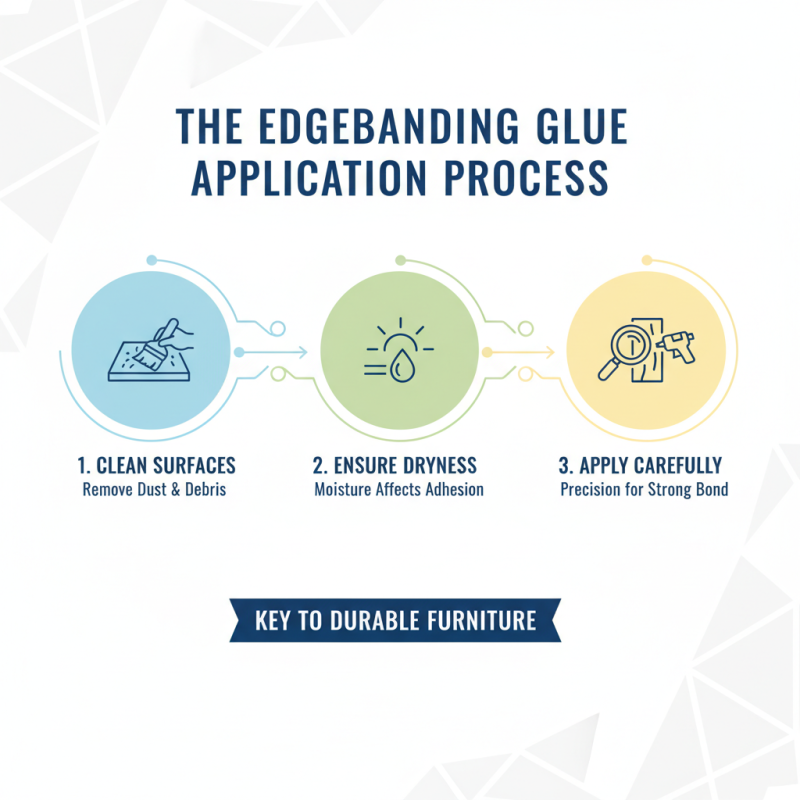
Edgebanding glue plays a crucial role in furniture manufacturing. The application process is both vital and delicate. First, the surfaces must be clean and dry. Dust and debris can compromise adhesion. A clear workspace helps maintain focus. Attention to detail matters here.
The glue application follows a precise method. Use a glue spreader for even coverage. Too much glue can lead to messy results. Conversely, too little may cause debonding. Consider the temperature and humidity. Both factors affect drying time. Once applied, press the edgebanding firmly. A roller can help achieve better contact.
After pressing, trim excess edges for a clean finish. This step often requires careful handling. Mistakes can lead to jagged edges. Inevitably, some imperfections may appear. Practicing this process improves the quality over time. Learning from each attempt is essential to mastery.
Benefits of Using Edgebanding Glue in Modern Manufacturing
Edgebanding glue is essential in modern manufacturing. It creates a seamless finish on furniture and cabinets. Reports indicate that the global demand for edgebanding products is expected to grow by 4.8% annually. This growth highlights its importance in the industry.
Using edgebanding glue offers several advantages. It enhances durability while providing a clean aesthetic. Many manufacturers report reduced production time when using quality adhesives. This increased efficiency can lead to cost savings. However, not all formulations are compatible with every material. This can lead to potential issues during application.
In recent years, sustainability has become a focus. Manufacturers seek eco-friendly adhesive options. Studies show that over 30% of companies are exploring sustainable alternatives. While there is progress, some products still rely heavily on chemicals. Striking a balance between performance and environmental impact remains a challenge.
 +86-15666836565

 CONTACT NUMBER