How to Effectively Use Urea Formaldehyde Adhesive in Your Projects?
In the world of woodworking and industrial applications, the use of Urea Formaldehyde Adhesive has become increasingly popular. According to a recent market report by the Adhesive and Sealant Council, the global demand for Urea Formaldehyde Adhesive is projected to grow annually by 4.5% over the next five years. This growth highlights its importance in various sectors, including construction and manufacturing.
Experts like Dr. Anna Greene, a leading researcher in adhesive technologies, emphasize the significance of this adhesive in project success. She states, "Utilizing Urea Formaldehyde Adhesive effectively can enhance durability and performance in bonded materials." However, users must note that improper application can lead to weaknesses in bonds and diminished effectiveness. Addressing these challenges calls for a thorough understanding of the adhesive’s properties and best practices for its use.
As we explore how to effectively use Urea Formaldehyde Adhesive, it is essential to consider both its advantages and potential pitfalls. With proper techniques and insights, we can maximize its benefits while minimizing risks in our projects.
Understanding Urea Formaldehyde Adhesive: Properties and Uses
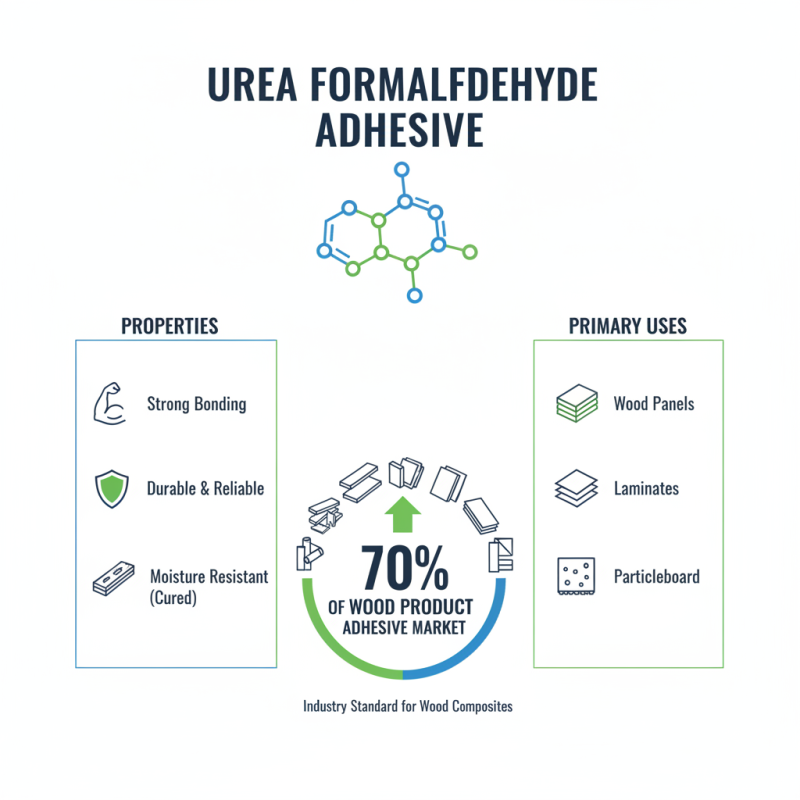
Urea formaldehyde adhesive has become a popular choice in various industries due to its strong bonding properties. This adhesive is known for its excellent strength and durability, making it suitable for wood products, laminates, and particleboards. According to industry reports, urea formaldehyde adhesives constitute approximately 70% of the adhesive market used in wood products. This statistic highlights its widespread acceptance and reliability.
The adhesive is characterized by its quick setting time and resistance to moisture, which are critical in many applications. However, it also has some drawbacks. The emission of formaldehyde poses health concerns. The World Health Organization has classified formaldehyde as a human carcinogen. Therefore, proper ventilation during application is necessary. Users should also consider using low-formaldehyde options if available.
When incorporating urea formaldehyde adhesive in projects, attention to surface preparation is vital. The surfaces must be clean and dry for optimal adhesion. Additionally, while its bonding strength is impressive, it may not perform well under extreme heat or humidity. Understanding these properties is essential for making informed choices in project applications.
Preparation: Surface Treatment Before Application
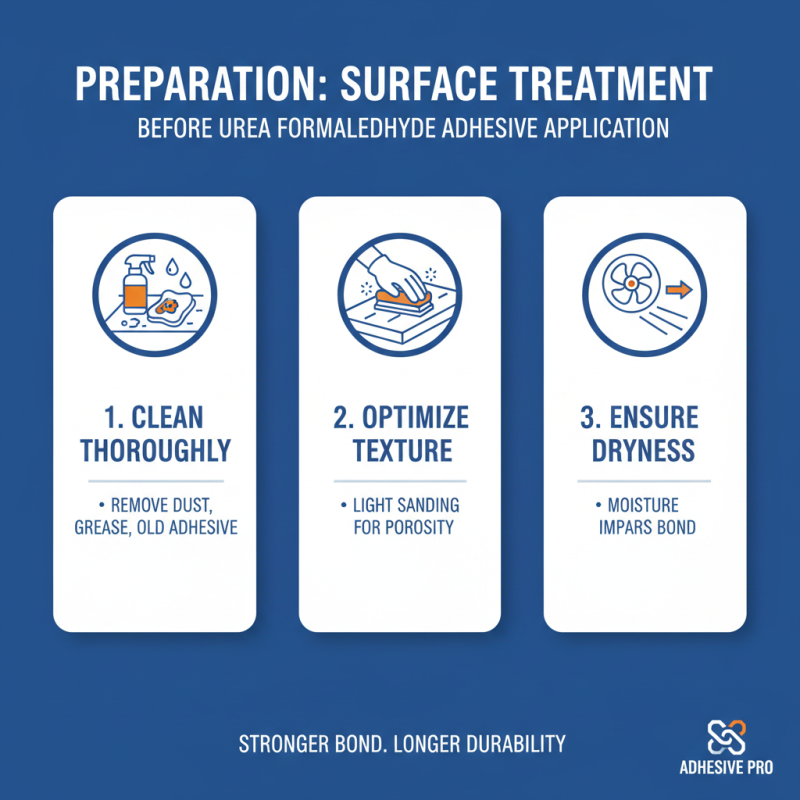
Surface treatment is a crucial step before applying urea formaldehyde adhesive. Proper preparation ensures a strong bond and prolongs durability. Begin by cleaning the surfaces thoroughly. Dust, grease, and old adhesive residues can weaken the bond. Use a suitable cleaner for this task.
After cleaning, consider sanding the surfaces. This improves adhesion by providing a better texture for the adhesive to grip. Sanding helps to create small grooves that increase surface area. Use medium-grit sandpaper for optimal results. However, be cautious. Over-sanding can damage the substrate, leading to uneven surfaces.
Finally, ensure the surfaces are dry before applying the adhesive. Any moisture can compromise the bond. Waiting a few hours after cleaning might be necessary. Additionally, test your adhesion by applying a small amount on a sample piece. This can save time and materials in the long run. Taking the time to prepare correctly can prevent many common issues later in your project.
Application Techniques: How to Apply Urea Formaldehyde Adhesive Effectively
When applying urea formaldehyde adhesive, preparation is key. First, ensure that both surfaces are clean and dry. Dust and moisture can interfere with adhesion. Use a sander or cloth to remove debris. This simple step significantly increases bonding strength. Remember, even a tiny speck can weaken your project.
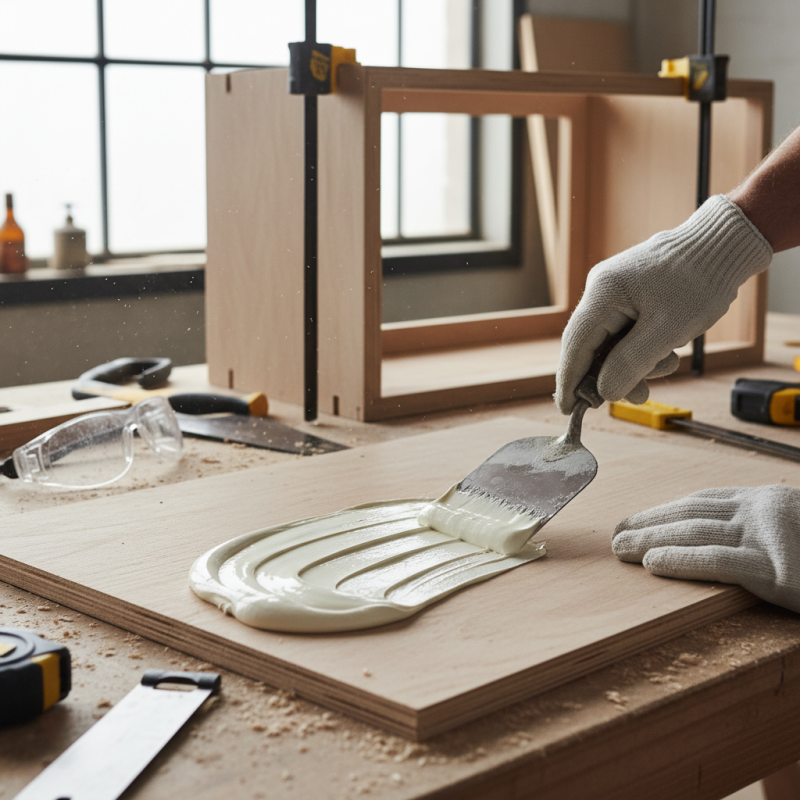
Next, mix the adhesive according to instructions. Achieve the right viscosity by adjusting the components. A uniform mixture helps with the application process. When using a brush or roller, apply evenly. Coverage should be consistent. Too much adhesive can result in excess oozing and weak joints. Test on scrap material if unsure about the application.
After application, clamp the surfaces together. This helps maintain contact while the adhesive cures. However, be cautious about clamp pressure. Too much force can distort shapes or affect alignment. Allow adequate curing time before removing clamps, as this ensures maximum strength. Always remember that practice makes perfect—experiment to find what works best for your projects.
How to Effectively Use Urea Formaldehyde Adhesive in Your Projects? - Application Techniques: How to Apply Urea Formaldehyde Adhesive Effectively
| Application Technique |
Tools Required |
Ideal Conditions |
Curing Time |
Safety Precautions |
| Brush Application |
Brush, Mixing Container |
Room Temperature (20-25°C) |
30 minutes |
Wear gloves and mask |
| Roller Application |
Roller, Tray |
Low Humidity (<60%) |
45 minutes |
Avoid skin contact |
| Spray Application |
Spray Gun, Compressor |
Ventilated Area |
1 hour |
Use respirator |
| Extrusion |
Extruder Machine |
Controlled Temperature |
Varies by application |
Handle with care |
Curing Process: Ensuring Proper Bond Strength
Curing is crucial when using urea formaldehyde adhesive. This process determines the bond strength. Proper curing can prevent failures in projects. The temperature and humidity during curing play significant roles. Ensure these conditions are optimal for the adhesive to set correctly.
One effective tip is to control the ambient temperature. A stable range of 18-24°C (64-75°F) is recommended. Avoid drastic fluctuations. Additionally, monitor the humidity. Too much moisture can weaken the bond. Aim for relative humidity levels around 50-70%.
Always allow ample time for curing. Rushing this process can lead to inadequate bonding. A common mistake is to cut the curing time short. After applying the adhesive, patience is essential. Regularly check the bond’s strength, but resist the urge to test too soon. This practice will enhance the longevity of your projects.
Safety Measures and Best Practices When Using Urea Formaldehyde
When using urea formaldehyde adhesive, safety measures are essential. This adhesive can release harmful vapors when cured. Proper ventilation in your workspace is crucial. Open windows and use fans to ensure good airflow. Wearing a mask can help reduce inhalation of fumes. It’s also advisable to wear gloves to prevent skin contact.
Before starting your project, read the safety data sheet. This document outlines potential hazards and necessary precautions. If you're sensitive to chemicals, consider testing a small area first. Be aware that improper handling can lead to serious health issues. Dispose of any leftover adhesive according to local regulations.
Unexpected issues can arise, even in familiar tasks. Always keep a first aid kit close by. Accidents happen; a spill can occur when least expected. Having basic medical supplies can help manage minor injuries. Regularly reassess your workspace for safety hazards. Ensuring safety is an ongoing commitment in any project.
 +86-15666836565

 CONTACT NUMBER