What is Eva Hot Melt Glue and How is it Used?
Eva Hot Melt Glue is gaining traction in various industries for its versatility and strong bonding capabilities. According to a report from Grand View Research, the global hot melt adhesives market is expected to reach USD 12.17 billion by 2026, fueled by products like Eva Hot Melt Glue. Industry expert Dr. Samuel Carter emphasizes, "Eva Hot Melt Glue is a game changer, especially in packaging and woodworking applications."
This adhesive, known for its quick set time, is widely used across packaging, woodworking, and textiles. The quick bonding nature simplifies production processes and enhances product durability. However, challenges persist in achieving optimal performance under extreme conditions, highlighting the need for continuous research.
While Eva Hot Melt Glue offers impressive benefits, it’s crucial to address its limitations. Factors like temperature sensitivity and chemical resistance can affect its application. Users must consider these aspects when selecting this adhesive for specialized tasks. As the industry evolves, ongoing advancements will likely enhance the reliability and versatility of Eva Hot Melt Glue.
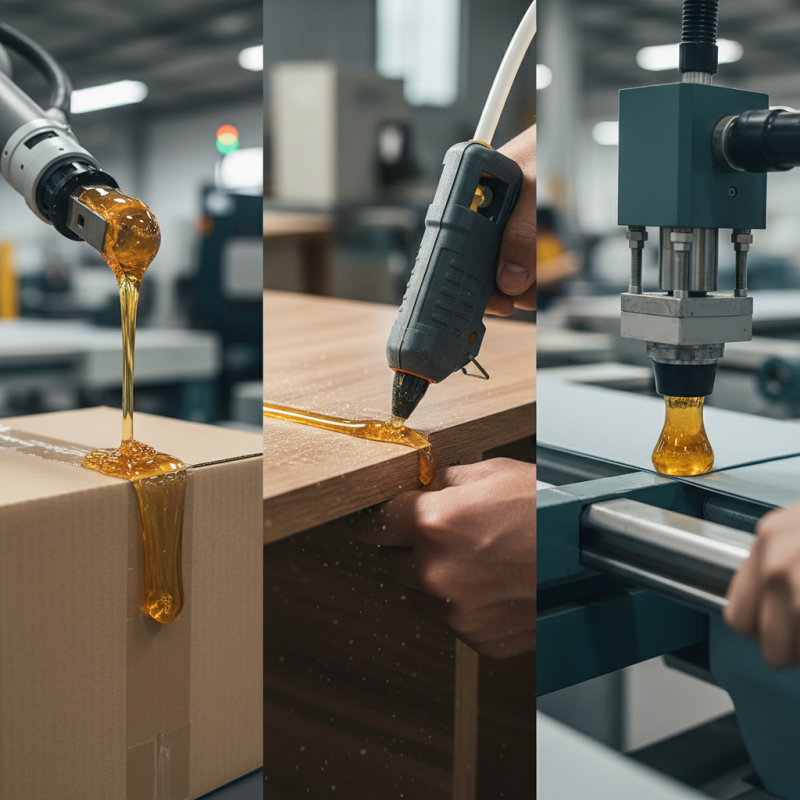
What is EVA Hot Melt Glue?
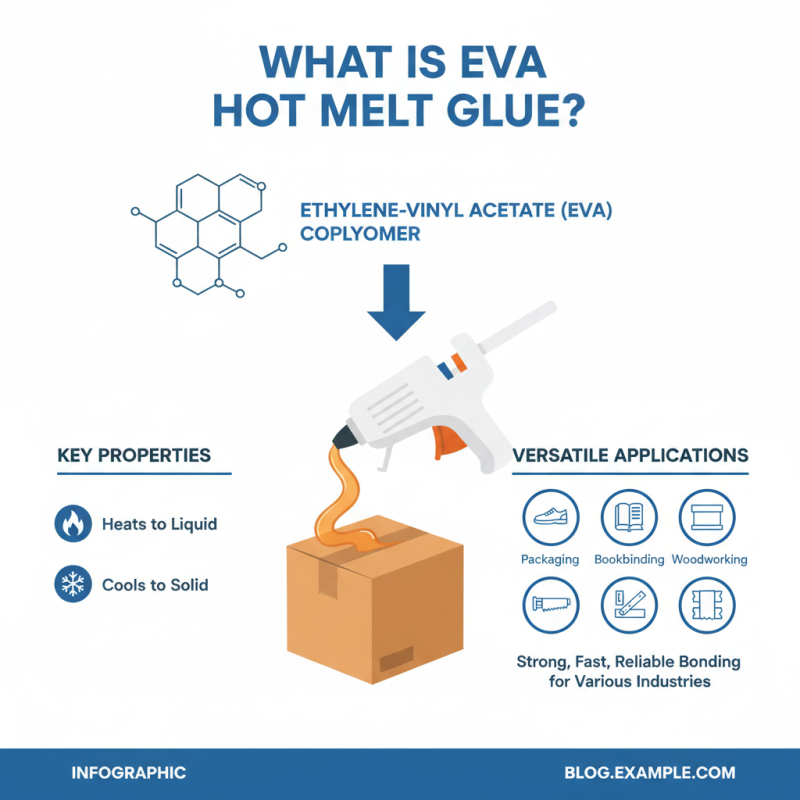
EVA hot melt glue is a versatile adhesive made from ethylene-vinyl acetate. It becomes liquid when heated and solidifies upon cooling. This property makes it ideal for a range of applications in various industries.
In crafts and manufacturing, EVA hot melt glue is widely used for bonding fabrics, plastics, and wood. It boasts a strong initial tack, which means parts stick together quickly. This quick bonding is crucial when time is of the essence. The glue can be applied using a hot glue gun or in industrial machinery.
However, there are some limitations. EVA hot melt glue may not perform as well in high-temperature environments. Users must consider the conditions where the adhesive will be used. Overall, EVA hot melt glue is a reliable choice for many bonding tasks, but understanding its properties is vital for optimal results.
Composition and Properties of EVA Hot Melt Glue
EVA hot melt glue, or ethylene-vinyl acetate glue, offers versatility in various applications. This adhesive is produced from copolymers of ethylene and vinyl acetate. This combination enhances its flexibility and provides excellent adhesion to numerous substrates. According to a recent report from the Adhesive and Sealant Council, EVA hot melt adhesives account for approximately 25% of the global hot melt market.
The composition of EVA glue contributes significantly to its properties. The vinyl acetate content influences its thermal stability and adhesion performance. Higher vinyl acetate levels generally enhance flexibility, making the glue ideal for packaging applications where flexibility is key. It can bond different materials, including plastics, paper, and wood. However, it may not perform well in extreme temperatures, leading to potential challenges in certain environments.
In practical terms, users should be aware of the glue's limitations. While it offers strong adhesive bonds, its resistance might decrease under high humidity conditions. Understanding these nuances is essential for achieving optimal results. Many manufacturers recommend testing the adhesive under expected environmental conditions before full-scale use.
EVA Hot Melt Glue - Properties and Applications
The chart above illustrates the key properties of EVA hot melt glue, including adhesion strength, elasticity, heat resistance, and tackiness. These properties demonstrate why EVA hot melt glue is commonly used in various applications ranging from packaging to crafts.
Common Applications of EVA Hot Melt Glue in Industries
EVA hot melt glue is a versatile adhesive widely used across various industries. Its applications extend from packaging to textiles and woodworking. According to a report by the Adhesive and Sealant Council, the global demand for hot melt adhesives is projected to reach $10 billion by 2025. This growth reflects the increasing need for efficiency and durability in manufacturing processes.
In the packaging industry, EVA hot melt glue remains a favorite for its quick setting time and strong bond strength. It is often used in carton sealing, labeling, and food packaging. For instance, studies indicate that around 70% of packaging operations utilize hot melt adhesives due to their ability to enhance production speeds while ensuring product integrity. Additionally, in the textile industry, EVA provides durability in fabric bonding. Its flexibility allows garments to withstand frequent washing without compromising the adhesive's effectiveness.
Challenges do exist. EVA glue can become brittle in cold temperatures, which may affect its performance. Moreover, while it offers effective bonding, the long-term effects of exposure to environmental conditions are not fully understood. As industries evolve, it’s crucial to address these shortcomings for improved performance. Continuous research is necessary to enhance the properties of EVA hot melt glue, ensuring it meets the dynamic needs of various industries.
What is Eva Hot Melt Glue and How is it Used? - Common Applications of EVA Hot Melt Glue in Industries
| Application Area |
Common Uses |
Benefits |
Temperature Range |
| Packaging |
Carton sealing, box assembly |
Strong bond, quick setting time |
170-200°C |
| Wood Products |
Furniture assembly, MDF bonding |
Flexibility, excellent adhesion to porous surfaces |
160-180°C |
| Textiles |
Fabric bonding, shoe manufacturing |
High temperature resistance, durable bond |
150-190°C |
| Electronics |
Component assembly, insulation |
Electrical insulation, ensures stability |
120-160°C |
| Automotive |
Interior trims, part assembly |
Resistance to vibration, good bonding to plastics |
180-220°C |
Advantages of Using EVA Hot Melt Glue
EVA hot melt glue is gaining traction in various industries. Its versatility makes it ideal for packaging, woodworking, and automotive applications. One notable advantage is its fast-setting time, which increases production efficiency. According to recent industry reports, EVA adhesives can significantly reduce manufacturing time by up to 30%. This speed allows companies to meet tight deadlines without compromising quality.
Another advantage is its exceptional bond strength. When properly applied, EVA hot melt adhesive creates strong, durable joints that withstand stress over time. This quality is particularly valuable in the packaging and furniture sectors, where durability is crucial. A study published in the Journal of Applied Polymer Science highlights that EVA adhesives maintain performance even in fluctuating temperatures, showcasing their robustness.
However, it's essential to consider potential drawbacks. For instance, while EVA hot melts are moisture-resistant, prolonged exposure to water can weaken the adhesive properties. Users need to assess the intended application carefully to avoid failure. Also, the adhesive's thermal sensitivity may require careful handling during application. Balancing these considerations with its many benefits is key to successful use.
Application Techniques for Effective Use of EVA Hot Melt Glue
EVA hot melt glue is increasingly used in various industries due to its versatility and strong bonding properties. To maximize its effectiveness, understanding application techniques is crucial. Proper surface preparation enhances adhesion. Clean surfaces free of dust, grease, or moisture ensure a strong bond.
For optimal results, apply the glue at temperatures between 180°C to 200°C. This range allows for excellent flow and quick setting.
Using nozzles of different sizes can also impact application efficiency. Fine nozzles are ideal for precision work, while wider nozzles accelerate coverage on larger surfaces. In a 2020 report by the Adhesive and Sealant Council, it was noted that 55% of users experience better results with tailored application methods.
Tip: Experiment with various application speeds to find what suits your project. Slow application can allow for adjustments, but be wary of the glue cooling too quickly. Additionally, practice on scrap materials before working on your final project. Mistakes can lead to uneven layers and compromised bonds. Ensure proper storage of unused glue sticks to maintain their quality.
 +86-15666836565
 CONTACT NUMBER