Top 10 Hot Melt Glue Brands in China You Should Know?
Hot Melt Glue has become a crucial component in various industries, including packaging, automotive, and woodworking. According to recent industry reports, the global hot melt adhesive market is projected to reach over $7 billion by 2026, expanding at a compound annual growth rate (CAGR) of 5.5% from 2021. This growth is driven by increased demand for efficient, high-performance bonding solutions.
China, as a manufacturing powerhouse, plays a significant role in this market. The country's production capabilities have positioned it as a leading supplier of hot melt glues. Major players offer innovative formulations that cater to diverse applications. These brands focus not only on quality but also on sustainability. However, the market is also saturated, and choosing the right brand can be challenging.
When selecting hot melt glue, it’s essential to consider factors like adhesive strength, temperature resistance, and environmental impact. Many users face difficulties in identifying the most suitable product for their specific needs. The following exploration of the top 10 hot melt glue brands in China highlights key players you should know. Each brand brings unique strengths and areas for improvement.
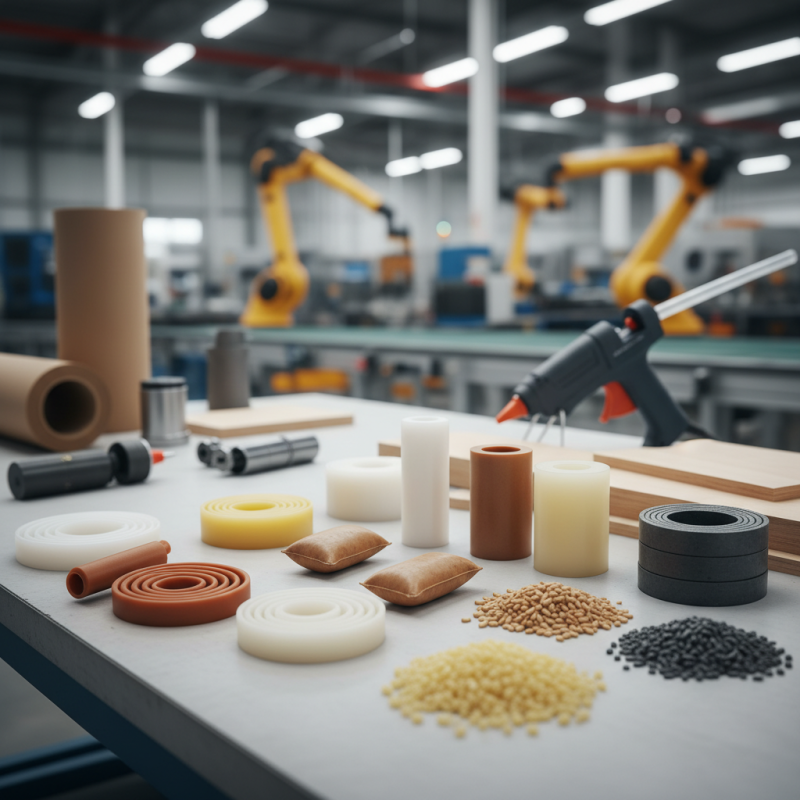
Top 10 Hot Melt Glue Brands: An Overview of Market Leaders in China
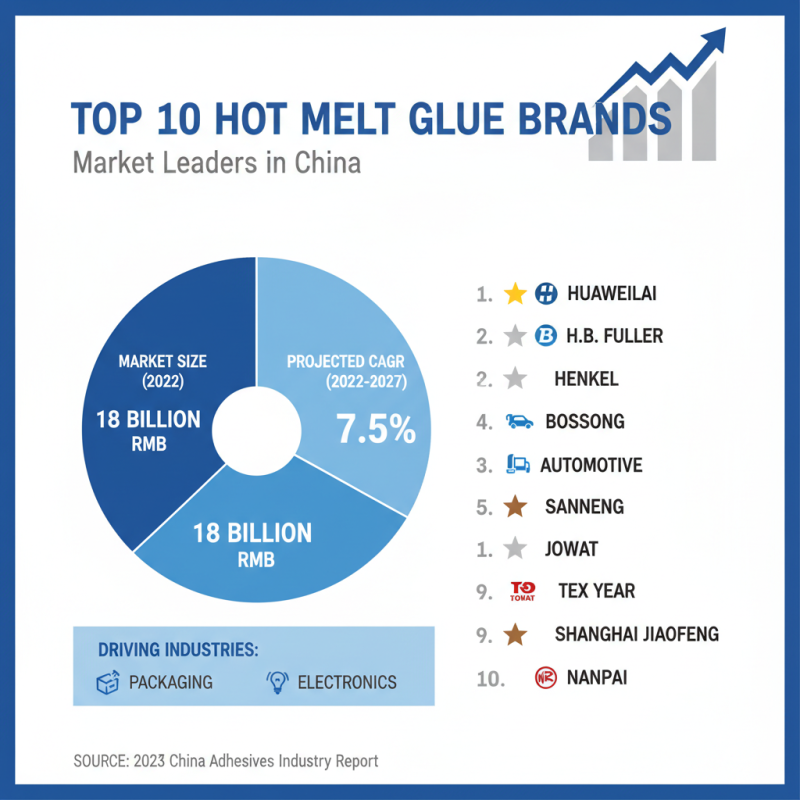
The hot melt glue market in China has seen significant growth in recent years. According to recent industry reports, the market size reached approximately 18 billion RMB in 2022, with an expected compound annual growth rate (CAGR) of around 7.5% through 2027. Major industries driving this demand include packaging, automotive, and electronics.
Several brands dominate this competitive landscape. They offer a wide range of products known for their adhesive strength and versatility. Notably, many manufacturers are focusing on eco-friendly formulations to meet rising environmental standards. Industry analysis suggests that about 30% of the hot melt glue produced in China is now bio-based. However, there is a challenge in balancing cost and quality, as some cheaper alternatives compromise performance.
Consumer preferences are evolving. Users are increasingly looking for reliable solutions that provide both efficiency and safety. The demand for specialized adhesives tailored for specific applications is rising. A notable trend is the shift toward automation in adhesive application processes, reshaping how products are marketed. While many brands strive for innovation, the industry must address quality control in production to enhance reliability.
Market Share Analysis of Leading Hot Melt Glue Brands in China
The hot melt glue market in China showcases a diverse array of brands leading the industry. Each brand offers unique formulations, targeting various applications from crafting to industrial uses. Market analysis indicates that several brands command notable shares due to their innovative products and strong distribution networks.
A closer look reveals that customer preferences often depend on reliability and performance. Certain brands are favored for their quick setting times and strong bond strengths. However, not all options provide the same level of consistency. Quality discrepancies can lead to frustration for users, making brand choice critical.
Moreover, the competitive landscape is constantly changing. New entrants challenge established brands, striving for market share. Fostering trust among consumers remains a challenge for many. As brands evolve, maintaining high standards is vital. Balancing performance with cost is a continuous struggle. The future will likely bring innovations that address both effectiveness and consumer demands.
Top 10 Hot Melt Glue Brands in China - Market Share Analysis
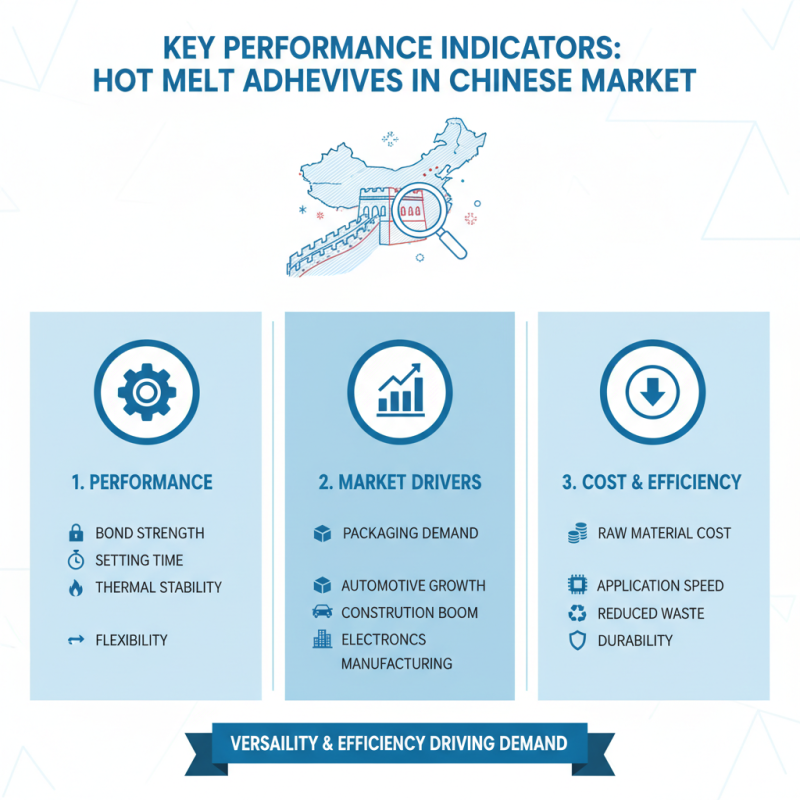
Key Performance Indicators for Hot Melt Adhesives in the Chinese Market
Hot melt adhesives are essential in various industries. In China, the growing demand reflects their versatility and efficiency. Consequently, understanding key performance indicators (KPIs) for these adhesives is crucial.
Viscosity is a primary KPI for hot melt adhesives. It determines how easily the adhesive flows during application. A lower viscosity allows for quick adhesion but may compromise strength. Reports suggest an optimal viscosity range of 1,000 to 5,000 cP for effective bonding in many applications. Another important KPI is the open time, defining how long an adhesive remains workable. Open time varies significantly, with many products falling between 5 to 30 seconds.
Strength is another critical measure. Peel strength often indicates performance across different substrates. Optimal peel strength for packaging applications can exceed 20 N/cm. Furthermore, heat resistance is vital for adhesives exposed to high temperatures. Manufacturers often aim for a heat resistance of 80°C to guarantee durability. However, variations among products highlight the need for thorough testing and evaluation. This ensures optimal selection based on specific application requirements.
Innovative Technologies in Hot Melt Glue Production: Trends and Impacts
Innovative technologies are revolutionizing the hot melt glue production industry. Manufacturers are increasingly focusing on sustainability. Biodegradable materials and eco-friendly practices are now gaining traction. These innovations are crucial for minimizing environmental impact.
Hot melt glue is becoming more versatile. Advanced formulations now allow for better adhesion on various surfaces. This is particularly beneficial in packaging and woodworking. Improved temperature resistance and flexibility also enhance performance. However, some products still face limitations in extreme conditions.
Tips: Always test glue on a small area before wide application. Check for compatibility with your materials. Stay updated on trends and techniques to maximize efficiency. The right adhesive can make a significant difference in your project outcomes.
Consumer Preferences and Purchasing Trends in China's Adhesive Industry
In today's adhesive industry, consumer preferences in China are shifting. The market is witnessing a growing demand for
hot melt adhesives across multiple sectors. According to recent market research, over
40% of consumers prefer products that offer immediate bonding capabilities. This desire for efficiency drives purchasing decisions.
The trend towards sustainability is noteworthy. Many consumers now favor eco-friendly formulations. Reports indicate that
30%% of buyers consider environmental impact as a key factor. However, not all brands have fully embraced this shift. Some still rely on traditional materials,
creating a gap in consumer expectations.
Quality remains a paramount concern. In surveys, 65%% of respondents highlighted durability as essential.
Despite this, consumers report occasional inconsistencies in adhesive performance across different brands. These discrepancies prompt a closer look at
manufacturing practices and product testing procedures. The path forward requires addressing these challenges to meet evolving consumer needs.
 +86-15666836565
 CONTACT NUMBER