Top Types of Powder Glue for Various Applications?
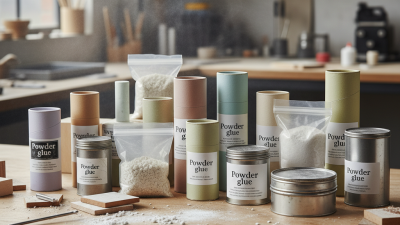
Powder glue stands out as a versatile adhesive used in various applications. Its unique formulation offers strong bonds for different materials. From woodworking to ceramics, powder glue enhances durability and resistance. Many crafts and industrial tasks benefit from its properties.
Selecting the appropriate type of powder glue is crucial for achieving optimal results. Each type serves specific needs. Understanding these distinctions can elevate the quality of your projects. In some cases, misinformation leads to suboptimal choices. This could cause frustration or even failure in completing tasks effectively.
Despite its advantages, those new to powder glue may face challenges. Improper mixing or application might result in weak bonds. Also, some users underestimate the importance of surface preparation. By recognizing these pitfalls, you can enhance your skills and improve outcomes. Experimentation and learning are essential in mastering powder glue usage.
Types of Powder Glue: An Overview of Common Applications
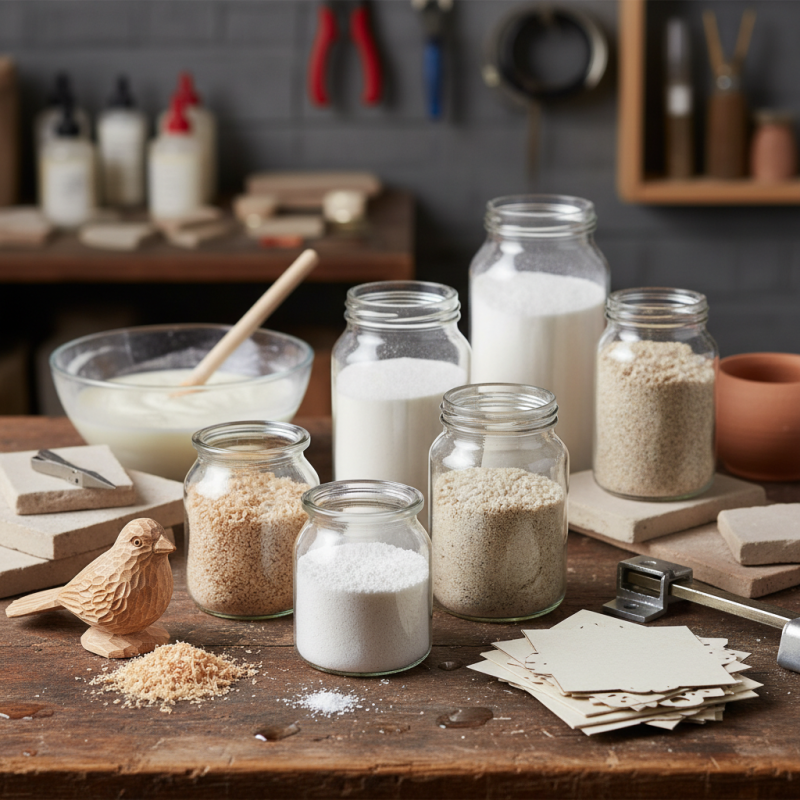
Powder glue comes in various types, each suited for specific applications. Some are designed for woodworking, while others cater to crafts and modeling. When choosing powder glue, understanding its characteristics is essential. For instance, some formulations set quickly and are ideal for projects that require immediate bonding.
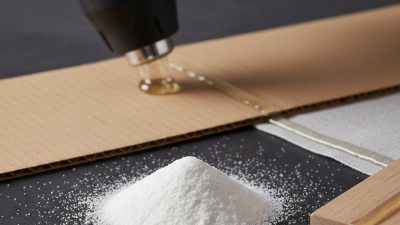
In woodworking, powder glue can strengthen joints significantly. It's often mixed with water to create a strong adhesive that penetrates the fibers of the wood. In contrast, craft applications often benefit from less aggressive formulations. These glues offer flexibility, allowing for adjustments during assembly. However, they may not always provide the same strength.
While powder glue is versatile, it can be tricky to use. Proper mixing ratios matter greatly; too much water can weaken the bond. Additionally, environmental factors like humidity and temperature can affect performance. Users often overlook these aspects, leading to unsatisfactory results. Experimentation and adjustment are necessary for optimal use.
Key Features to Consider When Choosing Powder Glue
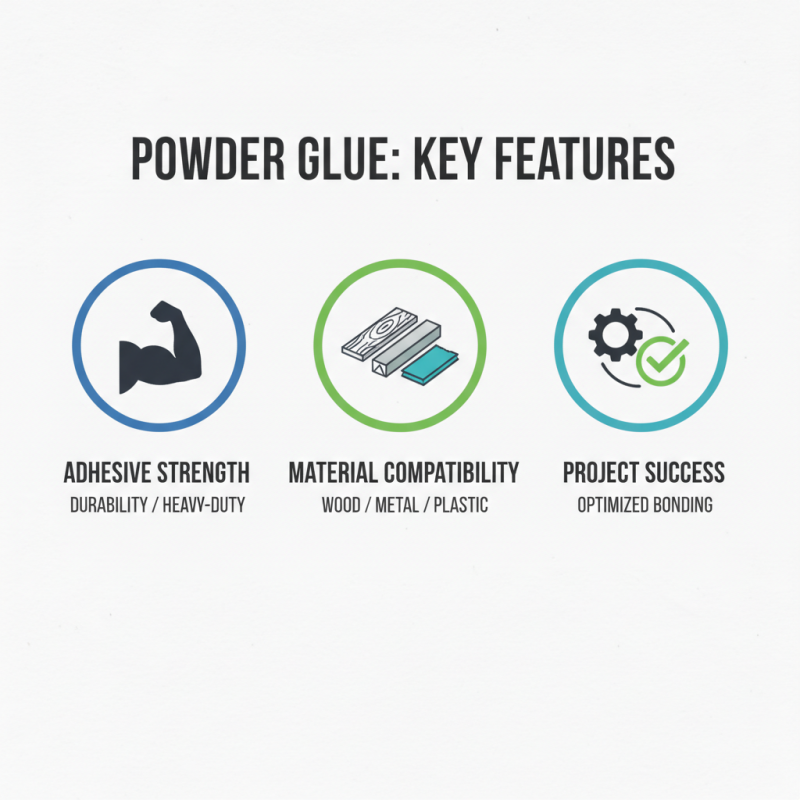
When selecting powder glue, several key features should guide your decision-making process. The adhesive strength is paramount. Higher bonding strength ensures durability, especially for heavy-duty applications. Consider the materials you are working with. Some powders bond better with wood, while others are ideal for metal or plastic. Understanding these interactions ensures success in your projects.
Another critical factor is the drying time. Depending on your needs, you may prefer a fast-setting glue for quick fixes. On the other hand, slower-drying options may allow for repositioning. Evaluate the specific application you have in mind to choose appropriately. If you're working on intricate crafts, a longer drying time might permit adjustments and finesse.
Finally, safety features cannot be overlooked. Look for low toxicity and appropriate user guidelines. Poor handling can lead to health hazards. Remember, even the best adhesive won’t perform well if mishandled. In your considerations, don't forget to reflect on your previous experiences with different powders. Choose wisely to improve your outcomes in future projects.
Comparison of Adhesive Strength Across Different Powder Glues
When choosing powder glue, understanding adhesive strength is crucial. Various types provide different bonding capabilities. Some glues are formulated for heavy-duty tasks, while others excel in lightweight applications. For instance, consider using powder glue for wood projects, where strong adhesion is essential. These glues create a robust bond, ensuring durability over time.
In crafting and repairs, the choice of powder glue can affect results significantly. Craft glues generally offer less strength but provide enough adhesion for light materials. A careful selection can enhance your project’s integrity. It’s important to conduct tests before committing to a specific type. Sometimes, the results may not meet expectations, leading to trial and error.
Additionally, environmental factors play a role in adhesive strength. Humidity and temperature can affect bonding. Some users find that glues perform differently in varying conditions. Reflecting on these outcomes can lead to better decisions in future applications. Ultimately, knowing the strengths and weaknesses of each type can elevate your work quality.
Top Types of Powder Glue for Various Applications
| Powder Glue Type |
Application |
Adhesive Strength (MPa) |
Drying Time (minutes) |
| Polyvinyl Acetate (PVA) |
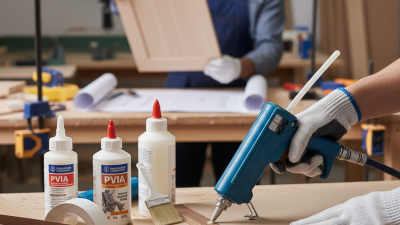
Woodworking |
10-15 |
30 |
| Epoxy Powder |
Metal Bonding |
20-25 |
60 |
| Polyurethane (PU) |
Construction |
15-20 |
45 |
| Cement Based |
Tile Setting |
8-12 |
120 |
| Acrylic Powder |
Plastics and Glass |
5-10 |
20 |
Specialized Powder Glue for Crafting and DIY Projects
When it comes to crafting and DIY projects, using the right type of powder glue can make a significant difference. Specialized powder glues cater to various materials, enhancing the strength of your creations. According to a recent industry report, the demand for eco-friendly adhesives has risen by 30% in the last five years. This indicates a growing trend towards sustainable crafting options.
Incorporating powder glue in your projects can yield impressive results, but not all options are created equal. For instance, some powder adhesives bond fabric and wood exceptionally well, while others excel with ceramics or plastic. The versatility of these glues is undeniable. However, using them incorrectly can lead to failures in your project. Always test a small area before fully committing to ensure compatibility with your materials.
Tips: When selecting powder glue, consider factors such as drying time and material compatibility. Evaluate your project’s requirements to avoid mishaps. Store unused glue in a cool, dry place to extend its shelf life. Remember, the key to any successful DIY project is a blend of creativity and understanding of your materials. Each experiment and failure can teach you something new about your crafting process.
Environmental Considerations for Using Powder Glue Variants
When considering powder glue, environmental factors play a crucial role. The production and application of these glues can significantly impact our planet. Some powder adhesives may release harmful chemicals during manufacturing or use. It’s important to choose products that align with sustainable practices. Always check for eco-friendly certifications when selecting glue for your projects.
Applying powder glue requires careful handling. Proper ventilation is essential to reduce inhalation risks. Avoid using glue in poorly ventilated spaces. If you’re working on large projects, consider wearing a mask. This will help minimize exposure to fine particles. Remember that responsible usage protects both your health and the environment.
Tip: Store powder glue in cool, dry areas. Heat and moisture can affect its effectiveness and safety. Also, be mindful of disposal methods. Many adhesives require specific procedures to minimize environmental harm. Always follow local waste guidelines.
Top Types of Powder Glue for Various Applications
This chart illustrates the usage frequency of different types of powder glue across various applications. Polyvinyl Acetate (PVA) is the most commonly used, followed by Epoxy and Polyurethane, highlighting their importance in various industries while considering environmental impact.
 +86-15666836565
 CONTACT NUMBER