2026 How to Use Water Soluble Adhesive for Effective Bonding Techniques?
Water Soluble Adhesives (WSA) are gaining traction across various industries. Their versatility and eco-friendliness make them popular. In the crowded adhesive market, a shift towards sustainable options is evident. According to a recent report by the Adhesive Manufacturers Association, the demand for WSAs is expected to grow by 8% annually.
Dr. Emily Carter, a leading expert in adhesive technology, remarked, “Water Soluble Adhesives provide non-toxic bonding solutions without compromising strength.” This highlights the importance of WSAs in eco-conscious manufacturing. Many companies are exploring their use in packaging, textiles, and construction, leveraging their unique properties.
However, challenges remain. Effective bonding techniques with WSAs are not universally established. For instance, surface preparation and application methods vary greatly. Users often struggle to achieve optimal bonding results. It’s crucial to address these issues to maximize the potential of Water Soluble Adhesives in future applications. This focus on improvement will drive innovation and adoption in the industry.
Understanding Water Soluble Adhesives: Properties and Applications
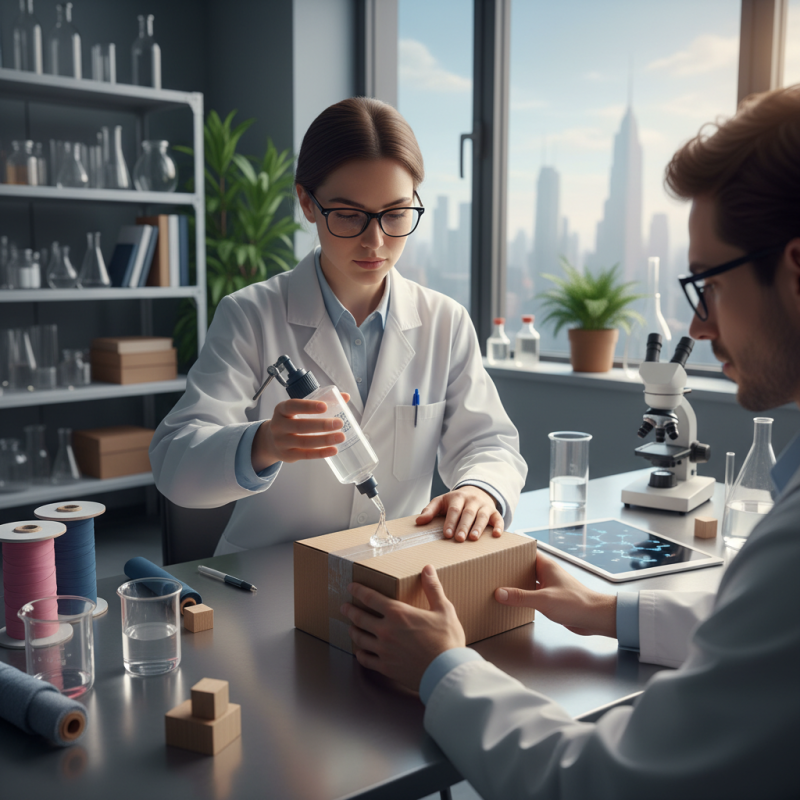
Water soluble adhesives have become popular due to their unique properties and wide range of applications. These adhesives dissolve easily in water. This feature makes them suitable for various industries. They bond quickly, yet their strength varies. It's essential to test them under different conditions. The ability to clean up easily with water can be both a benefit and a drawback, depending on the use case. Sometimes, they may not hold up in extreme environments.
Applications for water soluble adhesives can be found in packaging, textiles, and paper products. In the packaging industry, these adhesives ensure that boxes and containers stay secure. However, their bond may weaken with moisture exposure. When used in textile bonding, they offer a clean finish but can sometimes lead to fabric damage. Understanding how to apply these adhesives properly is crucial for achieving desired results.
Choosing the right type is vital. Each type has different properties that affect performance. It's important to experiment with them to see how they hold up. Observing how they perform in real-life applications can guide future choices. Some may find their experience inconsistent, highlighting the need for careful consideration in selecting a water soluble adhesive for specific tasks.
2026 Water Soluble Adhesives: Properties and Applications
Choosing the Right Water Soluble Adhesive for Your Project
Choosing the right water soluble adhesive is crucial for any project. Start by identifying the materials you are working with. Some adhesives bond better with paper, while others work on wood or fabric. Consider the drying time too. Quick-drying adhesives are great for fast projects, yet they can create a stiff bond.
Test the adhesive on sample materials before committing. This small step can save you from costly mistakes. Not every adhesive behaves as expected, even if it seems ideal. Reflect on your needs—do you require flexibility or strength? Sometimes, the best choices are not immediately clear.
Don’t forget to factor in cleanup. Many water soluble adhesives are easy to wash off with water. However, this can be a double-edged sword. If not applied carefully, excess glue can create a mess. Strive for precision and be prepared to adjust your technique. Mistakes can lead to learning opportunities when it comes to adhesive application.
Step-by-Step Guide to Preparing Surfaces for Bonding
Preparing surfaces for bonding using water-soluble adhesives is critical for achieving strong bonds. Contaminants like dust, grease, and moisture can significantly reduce adhesion. According to a recent industry report, a clean surface can improve bond strength by over 30%. This emphasizes the importance of thorough surface preparation.
Start with cleaning the surfaces. Use a suitable solvent or a mild detergent solution to remove dirt and oils. Rinse well and allow surfaces to dry completely. Even slight moisture can affect adhesion quality. Consider roughening smooth surfaces. Abrading them enhances the contact area for the adhesive. A study found that rough surfaces can increase bonding efficiency by 40%.
After drying, inspect the surfaces visually. Look for any imperfections that may need to be addressed. Are there scratches or dust particles left behind? Removing these imperfections is essential for achieving the desired bond strength. The focus should be on creating an ideal environment for the adhesive to perform effectively. Remember, even a seemingly small flaw can compromise the integrity of the bond.
2026 How to Use Water Soluble Adhesive for Effective Bonding Techniques?
| Step |
Surface Preparation Technique |
Tools Required |
Drying Time |
| 1 |
Clean the Surface |
Cloth, Water, Cleaning Solution |
10 minutes |
| 2 |
Sand the Surface |
Sandpaper (220 grit), Vacuum |
15 minutes |
| 3 |
Apply Water Soluble Adhesive |
Brush or Applicator, Adhesive |
Varies (check instructions) |
| 4 |
Join Surfaces Together |
Clamps or Weights |
30 minutes |
| 5 |
Final Curing |
None |
24 hours |
Techniques for Applying Water Soluble Adhesives Effectively
Water soluble adhesives are versatile and effective for many bonding applications. To apply them effectively, surface preparation is crucial. Make sure that surfaces are clean and free of dust or grease. A simple wipe with a damp cloth can help improve adhesion.
When applying the adhesive, use a brush or roller to spread it evenly. Pay attention to the thickness; too much can lead to slippage. Uneven application may result in poor bonding. Allow the adhesive to become tacky before joining surfaces. This step ensures a stronger bond.
It's important to test different application techniques. Sometimes a spray method may work better than a brush. Don’t hesitate to adjust your approach based on your results. Keep notes on what works and what doesn’t. Being methodical can make a big difference in the outcome. Each project may require a unique strategy for the best results.
Curing and Maintaining Bonds: Best Practices for Durability
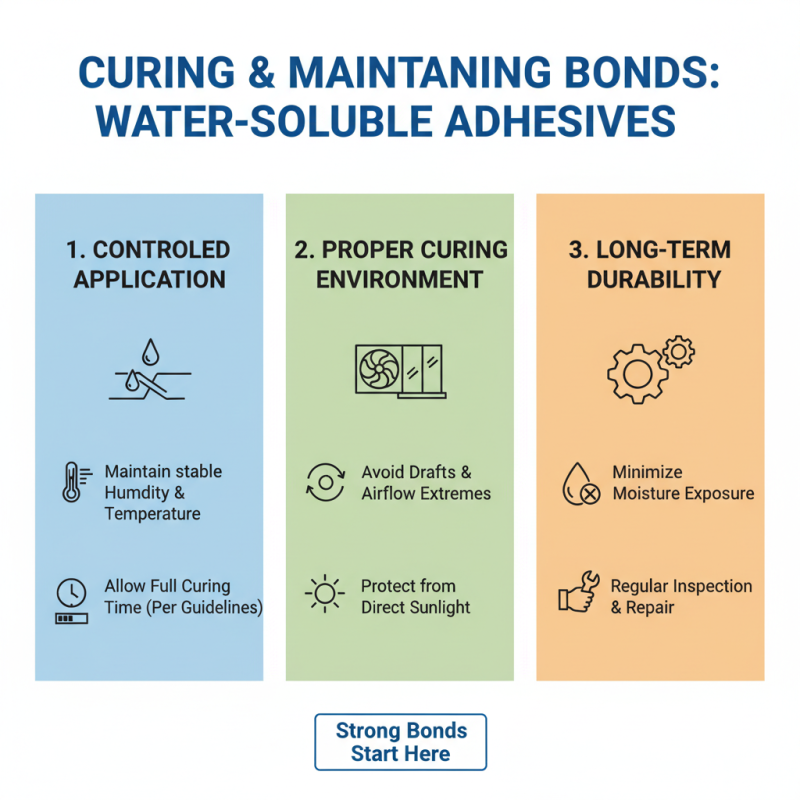
Water soluble adhesives offer unique advantages for bonding. However, achieving durable bonds requires careful attention to curing and maintenance. Proper curing is crucial. Humidity and temperature can alter the curing process. Ensure you apply the adhesive in a controlled environment. It’s best to wait the full curing time specified in guidelines. Rushing this step can lead to weak joints.
Maintaining bonds is also essential. Regularly check the bonded areas for signs of wear or moisture. If you notice a bond weakening, reapply the adhesive as necessary. Environment plays a significant role. High humidity can compromise the bond. In contrast, dry conditions can allow for faster curing but may lead to brittleness. Use a sealant on exposed areas, if possible. This adds a layer of protection.
Remember, experimentation is key. Not every method works flawlessly. Learning from mistakes is part of the process. Document what happens during each attempt. Analyze where failures occur. This reflection helps improve techniques over time. Effective bonding is achievable with practice and attention to detail.
 +86-15666836565
 CONTACT NUMBER