What Are the Best Hot Glue Pellets from China?
Choosing the best Hot Glue Pellets from China requires more than comparing prices or reading attractive product descriptions. The right pellet must match your equipment, substrate, operating temperature, and production speed. A packaging line may need fast setting and strong initial tack. A woodworking application may require longer open time and better heat resistance. Small differences can affect every finished product.
Dr. Kai Zhao, a polymer adhesive researcher, explains, “The best hot-melt adhesive is the one that fits the process, not simply the one with the lowest price.” This practical view matters when evaluating Chinese suppliers. Buyers should check technical data sheets, softening points, viscosity, bonding strength, color stability, and pellet consistency. Clear labeling helps. So does a traceable batch number. Ask for samples before placing a large order. Test them on the actual materials and equipment.
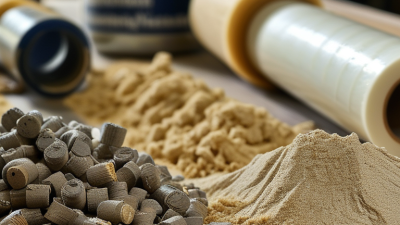
Look closely at the pellets. They should flow evenly through the melting unit without excessive smoke, foaming, or residue. A clean amber or transparent appearance can indicate better formulation control, though appearance alone proves little. Some suppliers provide impressive laboratory figures. Factory performance may differ. That deserves attention. Certification claims also need verification from reliable documents and testing bodies. A rushed choice can create clogged nozzles, weak bonds, or unnecessary waste. This guide compares leading Chinese options through practical performance, supplier reliability, technical support, and value. The results may not suit every buyer. Application testing remains essential.

What Are Hot Glue Pellets and How Are They Used?
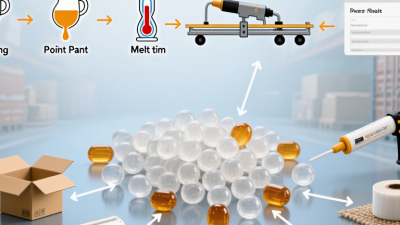
Hot glue pellets are small, solid pieces of thermoplastic adhesive. They soften when heated and form a bond as they cool. Unlike liquid glue, pellets are easy to store and measure. Most are used in a glue melter or compatible industrial applicator. The tool heats pellets evenly, while a nozzle controls the flow. This matters when sealing cartons, fixing fabric, joining wood, or adding craft details.
Choosing the best hot glue pellets from China requires more than comparing prices. Check the resin type, melting range, viscosity, setting time, and recommended surfaces. For packaging, steady flow and quick setting can improve production speed. For porous wood, a longer open time may allow better positioning. Request technical data, batch information, storage guidance, and samples before placing a larger order. Reliable suppliers should explain testing methods instead of making vague claims. Pellets should arrive dry, clean, and free from unusual odor.
A small trial often reveals more than a catalog description. Apply equal amounts to cardboard, wood, and fabric. Record bond strength after cooling and again after twenty-four hours. Fast glue is not always better; rushed placement can weaken the joint. Some pellets also create more stringing than expected. That detail affects finish and material waste. Temperature, nozzle size, and surface moisture may change results, so repeat tests under real working conditions.
How to Compare Bond Strength, Melting Point, and Viscosity
What Are the Best Hot Glue Pellets from China?
When comparing hot glue pellets, bond strength should not be judged alone. A practical test uses the actual materials, such as cardboard, coated paper, wood, or plastic. ASTM D1002 provides a recognized method for lap-shear testing. Test samples after 24 hours, not immediately after pressing. Early strength can look impressive, but some formulations fail when exposed to heat or moisture.
Melting point is another important filter.
Many EVA-based hot melts soften around 80–120°C, while application temperatures commonly range from 160–190°C. ASTM E28 can help measure softening point, although softening point is not identical to melting point. Viscosity must be recorded at a stated temperature. ASTM D3236 is widely used for hot-melt viscosity testing. For fast packaging lines, 1,000–3,000 mPa·s may provide smoother flow. Higher viscosity can improve gap filling, but it may leave strings and require more heat.
Grand View Research estimated the global hot-melt adhesives market at about US$10.3 billion in 2023. That growth encourages more Chinese pellet suppliers, but wider choice also increases inconsistency. Request batch-level data, not only a catalog average. I would compare three samples under identical temperature, pressure, and cooling conditions. No single number wins. One overlooked issue is open time; a strong pellet can still be unsuitable if it sets before positioning.
What Quality Standards Should Chinese Glue Pellet Suppliers Meet?
When choosing hot glue pellets from China, quality standards matter more than a low quotation. A reliable supplier should operate with documented quality controls, preferably aligned with ISO 9001 principles. Each production batch should have a clear lot number, manufacturing date, and traceable raw material record. Ask for a certificate of analysis covering viscosity, softening point, color, moisture, and open time. These figures should match your application, not merely look impressive on paper.
Practical testing is essential. Request samples from different batches and run them on your actual glue equipment. Watch the melt flow, stringing, bonding strength, and cooling behavior. The pellets should arrive dry, clean, and evenly sized, without dust or unusual odor. Suppliers serving packaging or sensitive applications should also provide current safety data sheets and relevant compliance documents. Third-party laboratory reports can strengthen confidence, but they should identify the tested material and batch clearly. A polished report is not proof of consistent production.
Tips: Compare samples under identical temperature and pressure settings. Keep a small retained sample from every shipment. Confirm packaging can resist humidity during transport. Do not accept vague terms such as “high quality” without measurable limits. In practice, one overlooked detail can cause nozzle blockage or weak bonds. I have found that supplier communication is also a quality signal. Clear answers help, although even experienced buyers can miss a requirement during urgent purchasing. Review the specification again before approval.
How to Choose the Best Hot Glue Pellets for Your Project
What Are the Best Hot Glue Pellets from China?
Choosing the best hot glue pellets starts with your project, not the lowest price. Check the material being bonded, required flexibility, and working temperature. Pellets for cardboard may soften differently from those used on wood, fabric, or coated surfaces. A clear technical data sheet should list viscosity, softening range, open time, and recommended application temperature. Missing data is a warning sign.
I once judged glue pellets by color and shape alone. That was a mistake. Uniform pellets usually melt more consistently, but appearance cannot prove bonding strength. Request a small sample before placing a larger order. Test it on the actual materials, then check the bond after cooling. Pull the joint by hand. Bend it gently. Observe whether the glue stays flexible or cracks around the edge. Record heating time and nozzle behavior.
Reliable suppliers should explain production controls, packaging, storage conditions, and batch traceability. Moisture-resistant bags help protect pellets during transport and storage. Ask how long the product can remain stable under normal warehouse conditions. A lower softening temperature may protect delicate materials, while a stronger formulation may suit heavier assemblies. These choices involve trade-offs. Even experienced buyers can overlook surface cleanliness or application pressure. Small tests reveal those problems early, before they become expensive.
 +86-15666836565

 CONTACT NUMBER