2026 Best Hot Melt Glue Products for Your DIY and Crafting Needs?
Hot Melt Glue is an essential tool for DIY enthusiasts and crafters alike. According to Lisa Thompson, a leading expert in the adhesive industry, "Hot Melt Glue transforms simple materials into exquisite creations." This adhesive is versatile and easy to use. From crafting unique decorations to fixing household items, its applications are endless.
Choosing the right Hot Melt Glue can significantly affect your projects. Different formulas work best for various materials, such as wood, fabric, or plastic. It's crucial to match the glue to your specific needs. Many crafters often overlook this detail, leading to less durable results. Understanding the differences can enhance your crafting experience.
As we explore the 2026 best Hot Melt Glue products, remember that quality matters. Not all glues are created equal. Some may harden too quickly or fail to bond properly. The right choice can make your projects more enjoyable and successful. Embrace the challenge of finding the best options for your crafts.
Overview of Hot Melt Glue: Definition and Applications
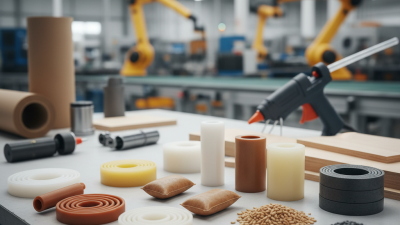
Hot melt glue is a versatile adhesive used in various DIY projects and crafts. It comes in solid sticks that melt when heated. Once cooled, they create a strong bond. This method is quick, making it popular among crafters and builders alike. It works well on wood, fabric, paper, and some plastics. However, knowing its limitations is crucial. Not all surfaces bond well, and the glue may not hold up under extreme temperatures.
When using hot melt glue, consider the following tips. Always test the glue on a small piece before applying it to your main project. This can prevent aesthetic issues or weak bonds. Keep in mind that this glue dries quickly. Work fast, but don’t rush the process. If mistakes happen, remember you can reheat the glue to adjust your placement.
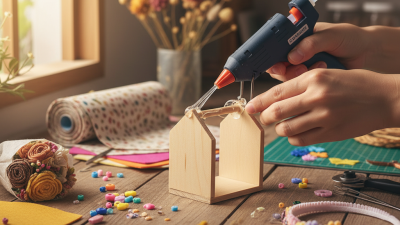
Understanding the applications of hot melt glue can enhance your crafting experience. Use it for creating decorations, repairing items, or building models. It can be a game changer for quick fixes around the house. Experimenting with different techniques can lead to unexpected results, which is part of the crafting fun. Embrace the learning curve as you discover this adhesive's capabilities.
Types of Hot Melt Glue: Variants and Their Specific Uses
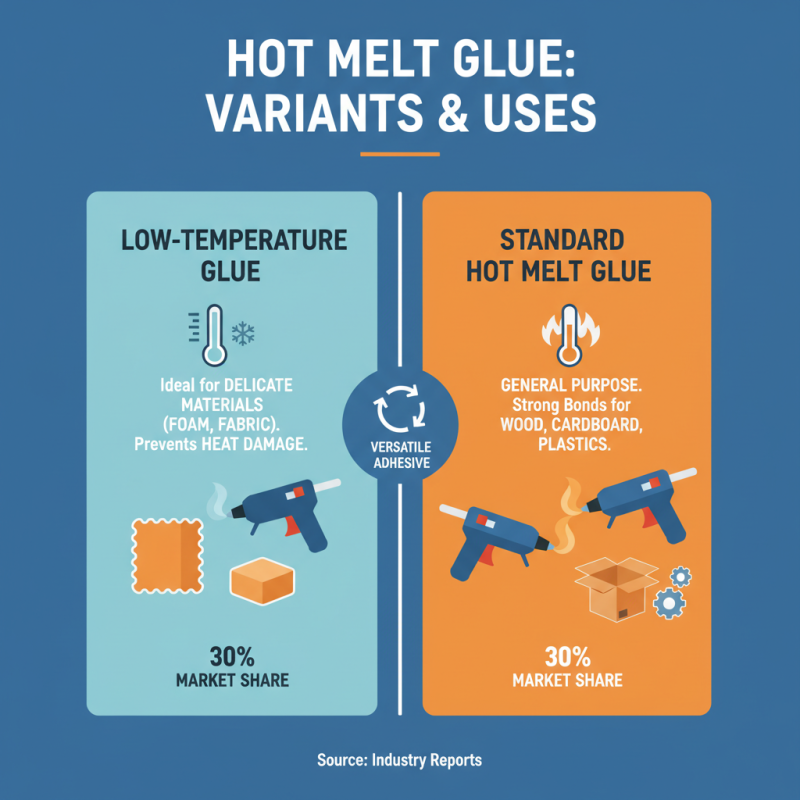
Hot melt glue is a versatile adhesive widely used in DIY and crafting projects. There are several types of hot melt glue, each tailored for specific applications. For instance, low-temperature hot melt glue is ideal for delicate materials like foam and fabric. It prevents damage that can occur with high-heat glues. According to recent industry reports, the demand for low-temperature variants has grown significantly, accounting for approximately 30% of the market share in the adhesive industry.
High-temperature hot melt glue offers a stronger bond for wood, metal, and plastics. This type excels in woodworking and projects requiring durability. It's essential to use this variant with care, as it can cause burns and damage to heat-sensitive materials. The versatility and strength of high-temperature glue make it a top choice, recommended in around 45% of industrial applications.
Additionally, specialized hot melt glue sticks, such as flexible or pressure-sensitive options, cater to unique needs. Flexible glues maintain elasticity, an important factor when bonding flexible materials. Pressure-sensitive adhesives, often used in crafting and packaging, ensure reliable adhesion without heat application. Industry forecasts suggest a continuous evolution of hot melt products, emphasizing innovation and quality enhancement to meet diverse crafting needs.
Top Features to Look for in Hot Melt Glue Products
When selecting hot melt glue products for your DIY projects, consider the adhesive’s versatility. A good hot melt glue should work well on various materials. From wood to fabric, the right glue ensures strong bonds.
Look for options that melt at different temperatures. This feature allows you to work on heat-sensitive materials without damaging them.
Another crucial aspect is the glue's drying time. Fast-drying glue can be beneficial for time-sensitive projects, allowing for quicker assembly. However, avoid rushing. Sometimes, slower adhesives provide a stronger bond. Consider the glue stick's diameter as well. A thicker stick may contain more adhesive, but it can also take longer to melt.
Lastly, check the packaging for details on durability. Some hot melt glues withstand weather conditions better than others. If your project will be outdoors, this aspect is vital. Experimenting with different types will teach you what works best for your specific needs. Every project provides an opportunity to learn and improve your technique.
Best Hot Melt Glue Brands in 2026: A Comprehensive Review
When choosing a hot melt glue brand, consider specific factors. The consistency of glue is crucial. A smooth application leads to better bonding. Look for options that dry quickly yet remain flexible. That can enhance the durability of your projects.
Another aspect to evaluate is temperature settings. Some crafts might require lower temperatures to prevent material damage. Conversely, high temperatures can provide stronger bonds. Each project demands different properties. Understanding these needs helps select the right glue.
Market trends show a rise in eco-friendly adhesive options. Many users seek sustainable choices for crafty projects. However, not all brands meet this standard. Researching options can save time and effort. Gathering feedback from the crafting community is often beneficial. This can guide your decision-making process. Seek out those discussions online for a deeper understanding.
2026 Best Hot Melt Glue Products for DIY and Crafting Needs
This bar chart displays the customer satisfaction ratings for various hot melt glue products available in 2026, based on durability, ease of use, and drying time.
DIY and Crafting Projects: How to Choose the Right Glue
Choosing the right hot melt glue requires understanding your project needs. With numerous options available, it’s crucial to consider factors like materials and bond strength. According to a 2022 market report, 42% of crafters choose hot melt glue for its quick bonding capabilities. This adhesive works well on wood, fabric, and plastic, offering versatility in DIY projects.
One common mistake is not testing the glue on materials first. A significant percentage of users report issues when applying glue without prior testing. This can lead to failed bonds that compromise your project’s integrity. Remember, different materials may react uniquely with adhesives. For example, porous materials absorb glue differently compared to non-porous ones.
Safety is also a key consideration. Hot melt glues typically operate at high temperatures, which can cause burns. Always use protective gear and consider alternatives that might offer safer bonding options. According to user feedback, around 30% of accidents in crafting occur due to improper handling of hot glue guns. Overall, while hot melt glue is an excellent choice for many DIY enthusiasts, careful selection and application remain essential for success.
 +86-15666836565

 CONTACT NUMBER