2026 Best Urea Resin Glue for Your Next Project Tips and Recommendations?
When embarking on a new project, choosing the right adhesive is crucial. Urea Resin Glue stands out as a favored option due to its exceptional bonding strength and versatility. Many professionals and DIY enthusiasts appreciate its ability to bond wood, laminates, and other materials effectively. For your next undertaking, selecting Urea Resin Glue can significantly enhance the durability of your work.
It’s important to explore various brands and formulations available in 2026. Some products boast fast curing times, while others emphasize water resistance. This variety can be overwhelming. Therefore, examining user reviews and expert opinions can provide valuable insights. However, remember that not every glue will meet everyone's expectations. Personal preferences play a huge role in crafting the perfect bond.
Investing time in understanding Urea Resin Glue can make a real difference in your projects. It's wise to test a small quantity before fully committing. This approach allows you to evaluate the glue's performance first-hand. Make informed choices, but embrace the trial-and-error process. Every project offers a lesson—and that’s part of the journey.
Top Features to Look for in Urea Resin Glue
When selecting urea resin glue, several key features are crucial for achieving optimal results. One significant factor is the adhesive's curing time. A quick-setting formula allows for efficient project execution. According to industry studies, adhesives that cure within 30 minutes are preferred in many applications, enhancing productivity.
Viscosity is another important attribute. The right thickness ensures easy application and strong bonding. Adhesives with a medium viscosity, around 2000 to 3000 cPs, effectively penetrate porous materials. Utilizing the right viscosity can decrease the amount of product wasted, which can be economically vital in large projects.
Lastly, consider water resistance. Waterproof formulations provide durability, especially in humid environments. Research indicates that urea resin glue with enhanced moisture resistance significantly outperforms standard versions in long-term tests. This quality ensures that the adhesion remains intact, even under challenging conditions. Proper attention to these features leads to superior results in woodworking and construction projects.
2026 Best Urea Resin Glue for Your Next Project Tips and Recommendations
| Feature |
Description |
Recommended Usage |
| Drying Time |
Fast-drying formula suitable for quick projects. |
Ideal for woodworking and crafting. |
| Viscosity |
Medium viscosity, easy to spread and control. |
Perfect for precision applications. |
| Water Resistance |
Water-resistant once cured, suitable for humid environments. |
Recommended for kitchen and bathroom projects. |
| Clear Finish |
Dries clear to maintain the aesthetics of your project. |
Best for visible joints and finishes. |
| Non-Toxic |
Safe for indoor use, low VOC (volatile organic compounds). |
Recommended for children's projects and toys. |
Comparing Different Brands of Urea Resin Glue
When comparing different brands of urea resin glue, it's crucial to consider various factors. Each brand has unique formulations that can impact adhesion, drying time, and durability. Some adhesives work better in high humidity, while others excel in dry conditions. Experimentation is often necessary to find the ideal option for your specific project.
Look into the viscosity of the glue as well. Thicker formulas can fill gaps, but they may be harder to spread evenly. On the other hand, thinner glues can seep into tighter joints, creating a strong bond. Evaluating the open time is also essential—glues that set quickly may not allow enough time for adjustments.
Lastly, consider user feedback and reviews. While some brands may have a stellar reputation, personal experiences can vary significantly. It’s not uncommon for users to encounter unexpected challenges with different products. No adhesive is perfect, and understanding these nuances can help you make a more informed decision for your next endeavor.
Safety Tips and Best Practices for Working with Urea Resin Glue
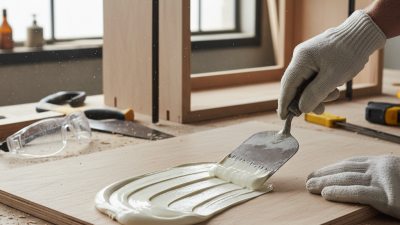
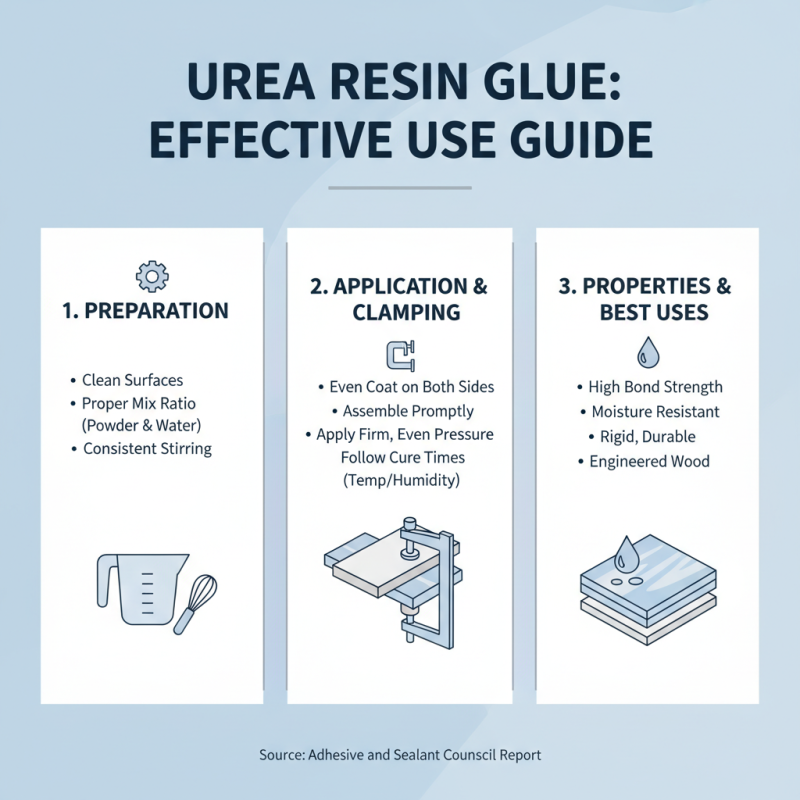
Working with urea resin glue can be rewarding yet challenging. It's essential to follow safety tips to ensure a safe working environment. Always wear protective gear, including gloves and goggles. This prevents skin irritation and eye damage. Ensure your workspace is well-ventilated to avoid inhaling fumes. Poor ventilation can lead to headaches and dizziness.
Keep your materials organized. Store the glue in a cool, dry place. Regularly check for leaks in containers. If you spill glue, clean it immediately to prevent slipping hazards. Understanding the curing time is crucial. Urea resin glue typically sets quickly, but full strength develops over time. Don't rush through projects. Give adequate time for the glue to cure properly.
Finally, recognize the potential for mistakes. Sometimes, the bond is weaker than expected. This may happen due to improper application or surface contamination. Always test the glue on a small piece before proceeding with a larger project. Reflecting on your process helps improve your skills and ensures better outcomes in future projects.
Common Applications for Urea Resin Glue in Projects
Urea resin glue is a versatile adhesive choice for various projects. It's particularly favored in woodworking and furniture making. This glue offers excellent bonding strength, making it ideal for laminating panels. Many craftsmen choose it for its quick drying properties and ease of use.
In addition to furniture, urea resin glue is also used in flooring applications. It bonds well to both hardwood and laminate surfaces. You may find it helpful when creating custom designs or repairing damaged areas. However, achieving a strong bond requires surface preparation and proper application techniques.
Despite its advantages, urea resin glue can have some shortcomings. It is sensitive to moisture, which can weaken the bond. Users often overlook this aspect, leading to potential failures in humid conditions. Additionally, dust contamination on surfaces can hinder its effectiveness. A careful approach is essential for reliable results.
Common Applications for Urea Resin Glue
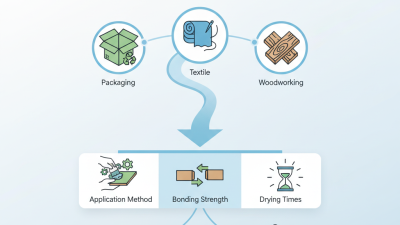
This chart represents various common applications for urea resin glue, along with their estimated usage frequency in projects.
 +86-15666836565
 CONTACT NUMBER