How to Choose the Right Water Soluble Adhesive for Your Project?
Choosing the right Water Soluble Adhesive is crucial for various projects. According to industry reports, the global adhesive market is projected to reach $50 billion by 2025. Water soluble adhesives play a key role in this growth. They offer unique advantages, including ease of use and environmental friendliness.
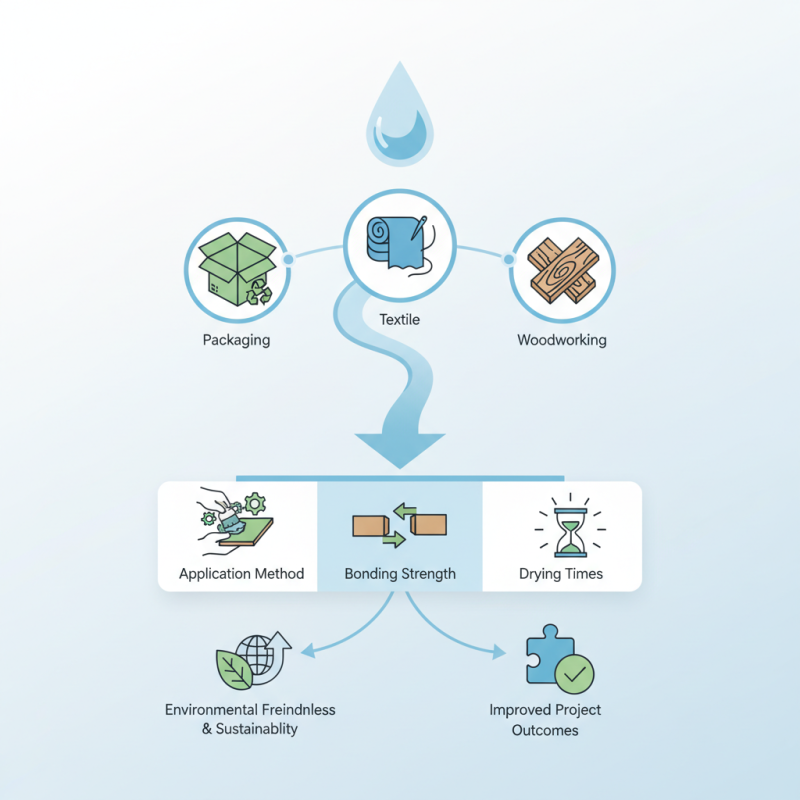
These adhesives are highly preferred in the packaging, textile, and woodworking industries. A study by Smithers Pira highlights that water soluble options reduce waste and improve recyclability. While the benefits are clear, selecting the right adhesive can be challenging. Many factors must be considered, including application method, bonding strength, and drying times.
Each project has specific needs. Understanding these requirements is essential. In some cases, users may overlook critical details, leading to inadequate adhesion. A thoughtful consideration of Water Soluble Adhesive types can prevent common pitfalls. Making informed choices will enhance project outcomes and contribute to sustainability in adhesive applications.
Understanding the Basics of Water Soluble Adhesives
Water-soluble adhesives are unique materials often used in diverse applications. Understanding their basic properties is essential for selecting the right type for your project. These adhesives dissolve in water, which facilitates clean application and easy cleanup. They are suitable for projects requiring a temporary bond or those needing to be environmentally friendly.
Choosing the right adhesive involves knowing your materials and desired durability. For instance, paper projects might benefit from a simple adhesive that dries clear and flexible. However, a more robust bond is needed for heavier materials. Not all water-soluble adhesives are created equal; some may perform better under specific conditions. Testing on a small scale can reveal potential issues, like poor adhesion or excessive drying time.
While water-soluble adhesives offer convenience, they also have limitations. Humidity can affect their performance, possibly weakening the bond. Additionally, some projects may require additional reinforcements. Therefore, it’s crucial to assess the environment and longevity needed for your specific application. Understanding these basics will guide you in making informed choices.
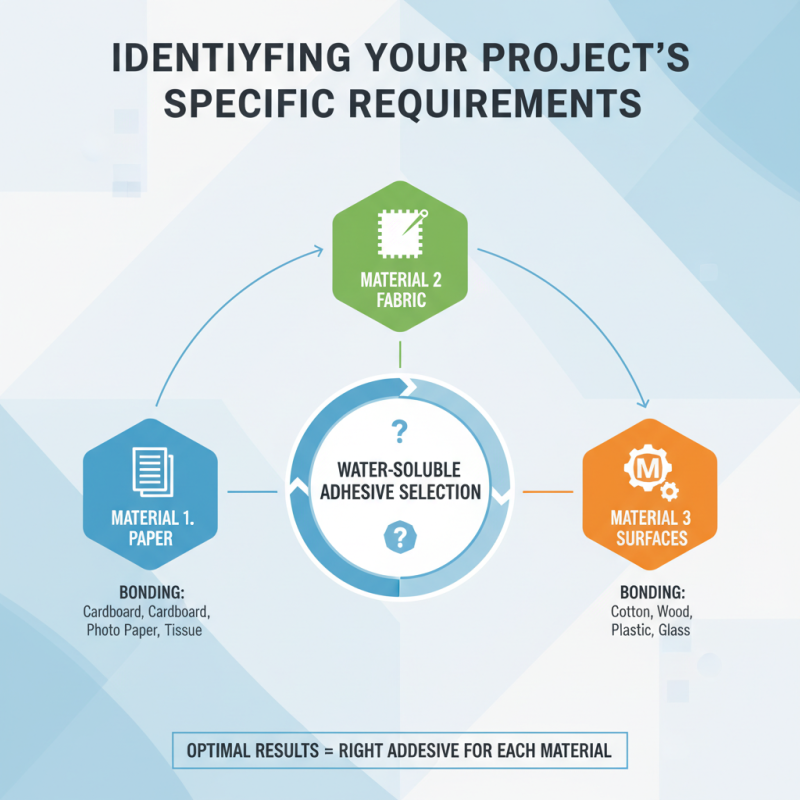
Identifying Your Project's Specific Requirements
When choosing the right water-soluble adhesive, start by evaluating your project's specific requirements. Consider the materials you will bond. Different substrates can react differently to adhesives. Knowing whether you are working with paper, fabric, or other surfaces is crucial. Each material may need a unique type of adhesive for optimal results.
Think about the environment in which the adhesive will be used. Factors like temperature and humidity can significantly influence performance. For example, a project in a humid area may require an adhesive with better resistance to moisture. Additionally, drying time is essential. If you are under time constraints, a quick-setting adhesive may be beneficial.
You might also reflect on whether you need a strong hold or a temporary bond. Different projects require different strengths. Creating a balance between strength and ease of removal can be challenging. Testing a few options on scrap materials can help you make a more informed decision. Remember, trial and error can lead to better outcomes. Don't hesitate to reach out to experts for advice if you're uncertain.
Comparing Different Types of Water Soluble Adhesives
When selecting a water-soluble adhesive, it's important to compare the various types available. Each has unique properties that will suit different projects. For instance, polyvinyl alcohol (PVA) is common in paper and wood applications. In 2021, the global PVA market was valued at over $2 billion, indicating its widespread use. Its effective bonding capabilities and ease of use make it a popular choice for artisans and manufacturers alike.
Another type to consider is ethylene-vinyl acetate (EVA). This adhesive provides stronger bonds, especially in textiles and packaging industries. Reports suggest that EVA adhesives are experiencing a steady growth rate of roughly 5% annually. This compound is often preferred when dealing with flexible materials. It's essential to note that while EVA adhesives are versatile, they can also leave residues that might need additional cleaning.
Finally, polyacrylate adhesives are gaining traction for their impressive water resistance. These adhesives are favored in construction and automotive applications. The increasing demand for eco-friendly products has also led to innovations in bio-based polyacrylates. Choosing the right adhesive involves understanding these differences. Reassessing your project needs and potential challenges during application is crucial.
Evaluating Adhesive Performance and Application Methods
When selecting a water-soluble adhesive, consider the specific performance characteristics required for your project. The adhesive’s viscosity can greatly influence application methods. A thicker adhesive may be difficult to spread evenly, while a more fluid option allows for better penetration into surfaces. Think about how the adhesive behaves under different conditions. For instance, high humidity may impact the adhesive's performance.
Application methods also play a crucial role in adhesive effectiveness. Using a brush, roller, or spray can change the application outcome. Each method offers varying levels of control over adhesive placement. A simple brush may provide precision but requires time and patience. In contrast, spraying can cover large areas quickly, but it might lead to overspray and waste.
Reflect on your project needs. Are you working in a confined space? A more precise application tool would be beneficial. If speed is essential, choose a spray application despite the potential mess. Evaluate your experience; if unfamiliar with these tools, practice on a separate surface. Remember, the choice of application method affects the overall performance of the adhesive. Understanding these elements will help you make an informed decision.
How to Choose the Right Water Soluble Adhesive for Your Project?
| Adhesive Type |
Key Properties |
Best Applications |
Drying Time |
Bond Strength |
| PVA (Polyvinyl Acetate) |
Non-toxic, easy to clean, strong initial tack |
Paper, cardboard, lightweight materials |
30 mins |
Moderate |
| Modified Starch |
Biodegradable, good adhesion on natural fibers |
Textiles, woodworking, paper arts |
1-2 hours |
Low to Moderate |
| Casein |
Strong with moisture resistance, natural protein-based |
Wood, porcelain, leather |
3 hours |
High |
| Liquid Polyurethane |
Versatile, forms a waterproof bond |
Metal, ceramics, glass |
2-4 hours |
Very High |
| Acrylic |
Fast-drying, excellent clarity, UV resistant |
Plastics, papers, bonding wood |
15-30 mins |
Moderate to High |
Safety Considerations When Using Water Soluble Adhesives
When selecting water soluble adhesives, safety is paramount. These adhesives, while generally considered eco-friendly, can still pose risks. Some products may contain chemicals that can irritate the skin or respiratory system. A report from the American Association of Adhesives noted that around 15% of users reported mild allergic reactions. Proper ventilation is essential when using these adhesives, especially in enclosed spaces.
Another crucial consideration involves protective gear. Wearing gloves and masks can significantly reduce exposure risks. The U.S. Occupational Safety and Health Administration recommends these precautions, particularly for individuals working with high volumes. Studies indicate that proper protective equipment can reduce exposure-related incidents by up to 70%. Despite these guidelines, many users overlook basic safety measures, leading to unnecessary health risks.
It's also important to consider disposal practices. Improper disposal can lead to environmental harm. A survey from the Eco-Friendly Adhesives Council found that approximately 40% of users were unaware of local disposal guidelines. This can result in adhesives contaminating water sources. Awareness and education are vital in ensuring safe usage and disposal of water soluble adhesives.
 +86-15666836565
 CONTACT NUMBER