2026 How to Choose the Best Book Binding Adhesive for Your Needs?
Choosing the right Book Binding Adhesive can be a daunting task. Experts in the field emphasize the importance of this decision. Richard Johnson, a renowned bookbinding specialist, once stated, "The right adhesive ensures durability and integrity in your book projects."
Understanding adhesive types and their specific applications is crucial. For instance, PVA (polyvinyl acetate) adhesives provide a strong bond for paper. However, they may not be suitable for all materials. Considerations like drying time and flexibility also play a significant role in your choice.
It’s essential to reflect on your specific needs and the nature of your book project. Will it be heavily used or displayed? Such questions guide you toward an informed decision. A mismatched adhesive can lead to future frustrations, so take your time in this important selection process.
Understanding the Different Types of Book Binding Adhesives Available
When selecting a book binding adhesive, it’s crucial to understand the variety available. Each type serves a specific purpose and application, affecting durability and aesthetic. For example, PVA (polyvinyl acetate) glue is widely recommended for its flexibility and strong bond. Reports indicate that over 70% of binders prefer PVA for its versatility in different binding styles.
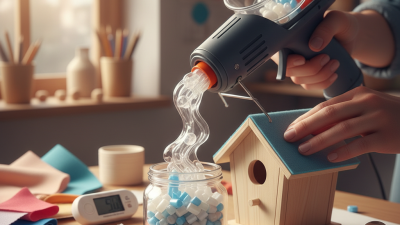
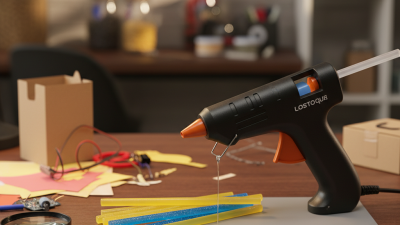
Another option is hot melt glue. It offers a quick setting time, which can be advantageous in high-volume projects. However, it may not be as flexible as PVA, and prolonged exposure to heat can weaken the bond. Interestingly, a study from the Book and Paper Group Journal found that nearly 60% of book conservators express concerns about the long-term reliability of hot melt adhesives compared to traditional methods.
Tips: Before making a choice, consider the end use of your book. For archival purposes, aim for acid-free options to prevent degradation. Test small batches to see how the adhesive behaves with your materials. Remember, not every adhesive will yield perfect results, so be ready to experiment. Keep in mind that mistakes can lead to learning opportunities, improving future projects.
Types of Book Binding Adhesives and Their Properties
Evaluating Your Project Requirements: Size, Durability, and Use Cases
When evaluating your project requirements for book binding, consider size. The dimensions of your book will impact the type of adhesive you choose. Smaller projects may allow for more flexibility in adhesive selection. Larger books typically require stronger, more durable adhesives. Think about the thickness of the materials too. Different thicknesses call for different bonding solutions.
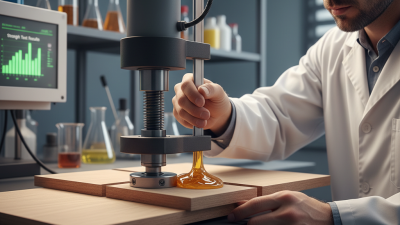
Durability is another crucial factor. If your book will be handled frequently, you'll need an adhesive that can withstand wear. A weaker adhesive may compromise the integrity over time. Test samples are a great way to assess how well an adhesive holds up.
Use cases matter as well. Are you binding a photo book, a journal, or a manual? Each has unique requirements. Some may need more rigidity while others require flexibility.
Reflecting on these aspects can lead to better choices. A decision-making process that considers size, durability, and use will result in more successful projects. Addressing these needs can be challenging, but a thorough understanding of your project will guide you toward the right adhesive.
Comparing Adhesive Formulations: PVA, EVA, and Hot Melt Bonding
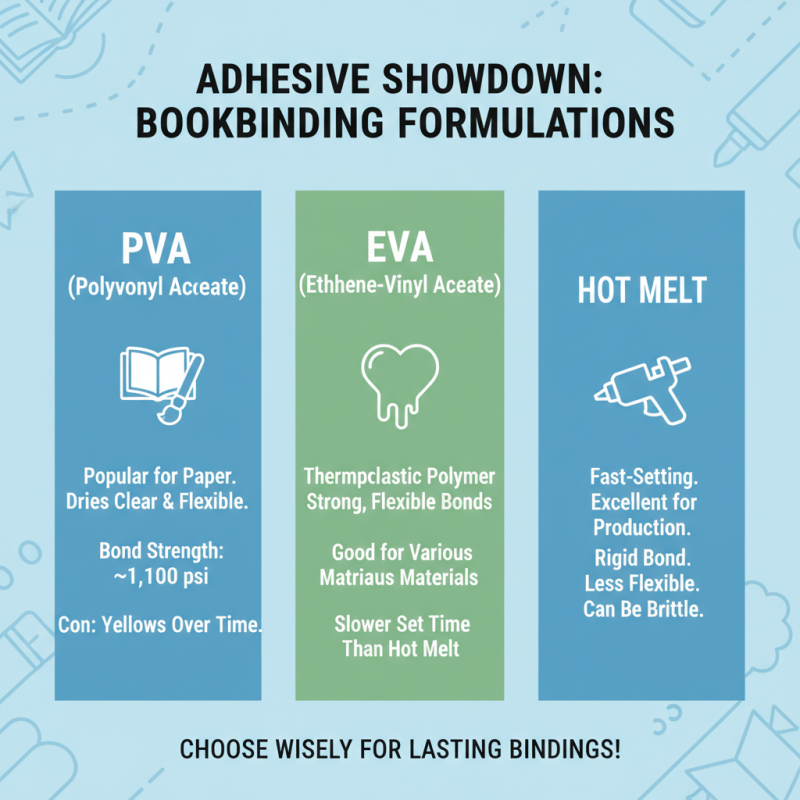
When choosing an adhesive for bookbinding, understanding different formulations is key. Polyvinyl acetate (PVA) is popular among bookbinders. It dries clear and is flexible, making it ideal for paper. A study by the Bookbinding and Conservation Collection indicated that PVA has a bond strength of around 1,100 psi. However, it can be prone to yellowing over time.
Ethylene-vinyl acetate (EVA) is another alternative. It is a thermoplastic adhesive known for its excellent adhesion properties. Industry reports suggest that EVA provides a more resistant bond than PVA, especially in humid conditions. Yet, EVA can be brittle, which raises concerns about long-term flexibility.
Hot melt adhesives offer quick bonding. They cure as they cool, providing immediate adhesion. Data from the Adhesive and Sealant Council indicates that hot melt adhesives have an average bond strength of 1,000 psi. The downside is that they may not perform well at high temperatures. Each adhesive has strengths and weaknesses. Careful consideration of these factors is essential for your binding projects.
Industry Standards: What to Look for in Quality Book Binding Adhesives
When selecting book binding adhesives, certain industry standards must guide your choice. Quality adhesives usually offer strong bonding, flexibility, and durability. Look for adhesives that are acid-free to prevent damage to pages over time. A non-toxic formulation is vital, too. It ensures safety for book makers and readers alike.
Evaluate drying times. Fast-drying adhesives can save time but might not provide adequate bonds. Test sample pieces before committing to large projects. A reliable adhesive should withstand repeated handling without cracking or peeling. However, some adhesives might not perform as promised, leading to disappointment.
Consider the intended use of your book. For instance, materials that undergo heavy wear should utilize more robust adhesives. Do your research; not all products are created equal. Look for user reviews that highlight both strengths and weaknesses. Always be open to experimenting, as sometimes the best choice is found through trial and error.
Application Techniques: Tips for Achieving Optimal Adhesive Performance
Choosing the right application technique for your book binding adhesive is crucial for optimal performance. A report from the Adhesive and Sealant Council notes that improper application can reduce bond strength by up to 50%. Precision is vital. Ensure surfaces are clean and dry before applying adhesive. Dust, oils, and moisture can compromise adhesion.
Temperature and humidity significantly impact adhesive properties. Aim for consistent conditions; ideal temperatures hover around 70°F (21°C) with low humidity. In a study by the International Institute of Adhesion, variable conditions led to higher failure rates in bonded materials. Testing small samples in different environments can prevent costly mistakes.
Consider the method of application as well. Whether using a brush, roller, or spray, each technique has pros and cons. A brush may allow for controlled application, but it can also introduce air bubbles. A roller applies an even coat but may demand quick adjustments to prevent dripping. Experimenting with tools and techniques can help perfect your approach. Adjusting the amount of adhesive used can yield different strengths and flexibility, leading to potential improvements in the final product.
 +86-15666836565
 CONTACT NUMBER