How to Choose the Best Water Soluble Adhesive?
Choosing the right Water Soluble Adhesive begins with understanding the job, not chasing the highest bond strength. A packaging line, paper label, textile coating, and removable tape each demand different performance. The best choice depends on the substrate, application method, drying conditions, and required bond life.
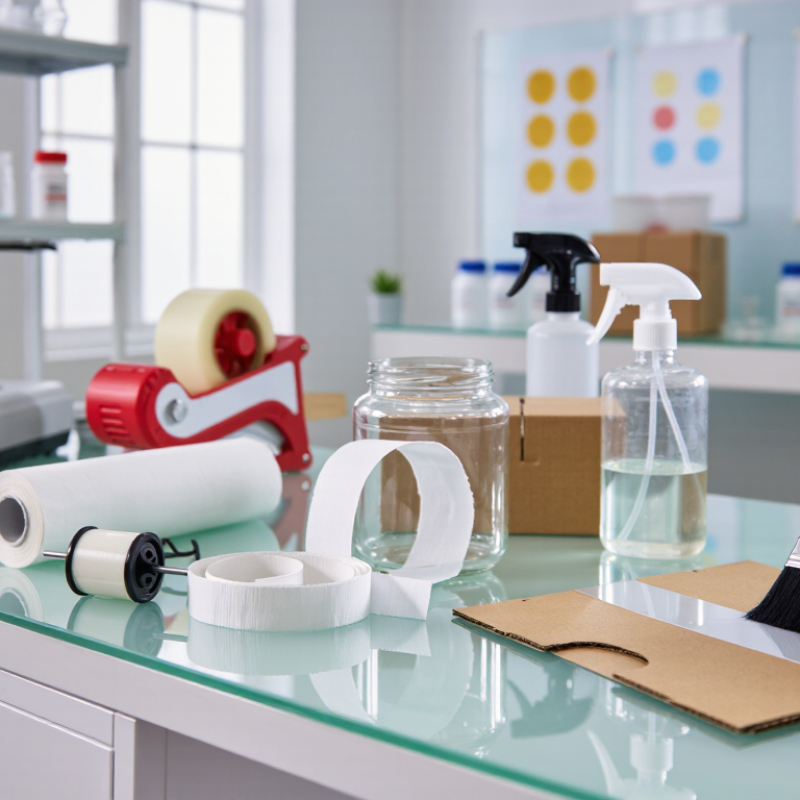
In practical trials, small details often decide success. A clean glass jar, a measured coating weight, and controlled drying time can reveal more than a supplier brochure. Check viscosity at the actual working temperature. Observe wet tack, open time, film clarity, and resistance to humidity. Paper may wrinkle when moisture enters too quickly. A porous carton may absorb adhesive before bonding properly. These issues are easy to overlook.
Reliable selection also requires verified technical data, safety information, and consistent batch quality. Ask whether the formulation suits rollers, brushes, spray systems, or high-speed equipment. Confirm compatibility with inks, coatings, and recycled fibers. Test the adhesive on the real materials, under real production conditions. Laboratory results can mislead when factory humidity changes.
There is no universal formula.
A product may perform well in one plant and disappoint elsewhere. That is not necessarily a failure; it may expose an untested condition. Careful comparison, recorded results, and honest review create a stronger basis for purchase decisions. This guide examines the key factors behind choosing a Water Soluble Adhesive, while recognizing that practical validation remains essential.
What Is a Water Soluble Adhesive?
A water-soluble adhesive is a bonding material that dissolves or disperses in water after its job is complete. Unlike water-resistant glue, it supports controlled removal, recycling, or temporary assembly. Its formula may contain polymers, starches, cellulose derivatives, or other water-responsive ingredients. The exact chemistry affects bond strength, drying speed, and cleanup. Some adhesives dissolve completely. Others soften first and leave residue. That difference matters.
In practical testing, I apply a small amount to the intended materials and observe the bond after drying. I also test removal with cool and warm water. Temperature, humidity, surface texture, and water exposure time can change the result.
My first assumption was simple: faster dissolution meant better performance. That assumption was too narrow.
A strong adhesive may need longer soaking, while a quickly dissolving formula may fail in humid storage. Choose according to the application, not the label alone. Check the technical data for viscosity, open time, solids content, and recommended substrates. Paper, cardboard, fabric, and coated surfaces may react differently.
A reliable evaluation includes real working conditions, repeated trials, and residue inspection. Small tests prevent expensive surprises.
Safety data and handling instructions should also guide selection, especially when workers use the adhesive frequently.
Key Factors for Choosing the Right Adhesive
How to Choose the Best Water Soluble Adhesive?
Choosing a water soluble adhesive starts with the substrate, not the product label. Start with the substrate. Paper, film, coated board, and porous fiber absorb moisture differently. Check viscosity, open time, setting speed, and coating weight during a controlled trial. Water is not neutral. High humidity can soften the bond, while excessive heat may accelerate drying and cause uneven coverage. The U.S. EPA’s 2018 Facts and Figures report recorded 82.2 million short tons of packaging waste in the United States, with only 28.1% recycled. This highlights why adhesive residue, wash-off behavior, and material compatibility deserve practical testing.
Application conditions also shape the right choice. A fast production line may need rapid tack, while curved packaging may require longer open time. Test the adhesive at actual line speed, temperature, pressure, and storage humidity. A small laboratory cup can mislead. I have found that a clean bond in a dry room may fail after overnight storage. That weakness is useful information, not a reason to hide the result. Review technical data sheets, safety documentation, and relevant ASTM or ISO test methods. For food-contact packaging, verify the applicable regional requirements independently.
Tips: Run a three-stage trial. Compare fresh bonds, aged samples, and water-removal performance. Measure peel strength, blocking, odor, and visible residue. Record every result. If the adhesive dissolves too quickly, reduce water exposure or adjust the formulation. If it dissolves too slowly, question the process, not only the adhesive. Small trials expose surprises.
Comparing Adhesive Types and Application Methods
How to Choose the Best Water Soluble Adhesive?
Water soluble adhesives dissolve or disperse in water, but their performance differs greatly. Starch and dextrin formulas suit paper labels, cartons, and temporary bonding. Polyvinyl alcohol systems offer cleaner films and stronger resistance to handling moisture. Acrylic water-based adhesives usually provide better flexibility, although they may not fully redissolve. Choose by substrate, drying speed, humidity, and removal requirements.
Application method matters as much as chemistry. Rollers spread adhesive evenly across broad paper surfaces. Nozzles create precise beads on narrow seams. Spraying covers irregular shapes, but overspray can waste material and complicate cleaning. Slot-die coating supports controlled, thin layers in higher-volume production. According to Mordor Intelligence’s 2024 Water-Based Adhesives Market report, the market is projected to grow from about US$28.7 billion in 2024 to US$35.9 billion by 2029. That growth reflects wider use, but not universal suitability. I would not select an adhesive from market momentum alone. A small humidity change can weaken a promising bond.
Tips: Test the exact substrate before approval. Apply a measured film, then record open time, drying time, peel strength, and water response. For a carton line, inspect roller pressure and nozzle temperature every shift. Keep the coating thin. Too much adhesive often creates slower drying, curling, and visible squeeze-out. A practical trial may expose weaknesses that a technical data sheet misses.
Testing Performance, Safety, and Environmental Compatibility
How to Choose the Best Water Soluble Adhesive?
A reliable evaluation begins with the actual application. Test bonding strength on the intended materials, not only on smooth laboratory panels. Record viscosity, open time, setting speed, and coverage at controlled temperatures. Then repeat the test after humidity exposure and water contact. A bond that performs well when dry may soften quickly in a damp warehouse. Test both immediately and after aging.
Safety requires more than reading a marketing claim. Review the safety data sheet, pH, preservatives, volatile content, and possible skin or eye irritation. Operators should test application tools, ventilation needs, and cleanup procedures under normal working conditions. Small details matter. A strong adhesive can still create problems if it splashes, smells sharply, or requires excessive handling. Independent laboratory testing adds credibility, especially when results affect worker protection or product quality.
Environmental compatibility also needs specific evidence. Ask whether the adhesive separates during recycling, affects wastewater treatment, or leaves persistent residues. “Water soluble” does not automatically mean harmless or biodegradable. Measure wash-off behavior and check the full formulation, including additives. I have seen clean-looking samples produce unexpected residue after drying. That result deserves investigation, not dismissal. Test several batches, document failures, and question results that seem unusually perfect.
How to Choose the Best Water Soluble Adhesive?
Compare anonymous adhesive types using a normalized 0–100 screening score across performance, safety, and environmental compatibility. Higher scores indicate a more favorable preliminary result.
The scoring framework reflects commonly used evaluation areas, including bond strength, water redissolution, low-VOC formulation, worker safety information, biodegradability considerations, and packaging compatibility. Confirm final selection with laboratory testing, technical data sheets, safety data sheets, and applicable ASTM or ISO methods.
 +86-15666836565
 CONTACT NUMBER