10 Best Adhesives For Wood You Should Know?
When it comes to woodworking, choosing the right adhesive is crucial. "Adhesive for wood can make or break a project," says Michael G. Evans, an expert in woodworking techniques. With numerous options available, understanding which adhesives work best is essential.
Different types of adhesives serve various purposes in wooden projects. PVA glues, epoxy, and polyurethane each offer unique benefits. Evans emphasizes, "Knowing the right adhesive for your specific wood type can enhance durability." Experimentation and experience play vital roles in mastering the use of these materials.
However, navigating the world of adhesives can be overwhelming. Often, the right choice depends on the project's demands and the wood's characteristics. Quality adhesives can greatly improve your craftsmanship, yet not all products deliver consistent results. Understanding each option's strengths and weaknesses can lead to better outcomes. In the intricate realm of woodworking, a well-informed choice in "adhesive for wood" is essential for success.
Understanding Different Types of Wood Adhesives Available in the Market
When it comes to woodworking, choosing the right adhesive is crucial. Various types of wood adhesives are available, each serving distinct purposes. Understanding these options ensures stronger bonds and greater longevity in projects. According to a recent industry report, nearly 70% of woodworkers prefer polyurethane adhesives due to their versatility and durability.
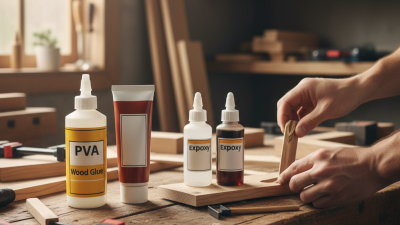
PVA (Polyvinyl Acetate) is a commonly used adhesive, ideal for indoor projects. This white glue dries clear and is easy to sand. However, it may not hold up in humid conditions, which can be a significant drawback. Epoxy adhesives are another option, particularly recommended for heavy-duty applications. They can bond dissimilar materials and resist moisture, yet their curing times can be a hassle for quick projects.
A notable yet often overlooked option is cyanoacrylate adhesive. This fast-acting glue works well for small repairs. However, its short working time may not suit larger projects. Many woodworkers find the balance between strength and ease of use challenging. As the market evolves, staying informed about these adhesives enhances one's craftsmanship. Select wisely, as the wrong choice can lead to project failure.
Factors to Consider When Choosing the Right Wood Adhesive
Choosing the right wood adhesive can be challenging. Several factors influence this decision. First, consider the type of project you are working on. Different projects require different adhesive properties, such as flexibility or rigidity. For instance, furniture making often needs a strong, flexible bond to withstand stress.
Next, think about the material you are bonding. Hardwoods may require a different adhesive than softwoods. Checking compatibility is essential. Also, look at the drying time. Some adhesives set quickly, while others take time to cure fully. A quick-setting glue may be tempting, but it doesn't always allow for adjustments.
Finally, consider environmental factors. If you're working outdoors, choosing a weather-resistant adhesive is critical. Additionally, think about safety and ease of use. Some adhesives can be toxic or difficult to apply neatly. Reflecting on these factors will lead to better results in your woodworking projects.
Top 10 Recommended Wood Adhesives for Various Applications
When it comes to woodworking, choosing the right adhesive is crucial. Each adhesive serves different purposes, ensuring a strong bond for various applications. For general carpentry, PVA glue is often recommended for its ease of use and strong bond. It works well for indoor projects and is safe for children and pets.
For exterior applications, consider using polyurethane glue. This type is waterproof and expands slightly to fill gaps. It adheres well to difficult surfaces, making it ideal for outdoor furniture or structures. Epoxy is another strong contender for high-stress joints. It offers rigidity and exceptional bonding for metal and wood alike, perfect for precise repairs.
However, many users overlook the importance of drying time and application technique. Some adhesives can become messy, leading to imperfections. Proper surface preparation is often neglected, affecting bonding strength. Every adhesive has its nuances, and understanding these details can enhance your woodworking projects significantly. Knowing when to use each adhesive can make a big difference in the quality and durability of your work.
How to Properly Apply Wood Adhesives for Best Results
Proper application of wood adhesives is crucial for a strong bond. Start by preparing the surfaces. Clean the wood to remove dirt and grease. Sanding the area helps the adhesive stick better. Make sure the surfaces fit together well. Gaps can weaken the connection.
When applying the adhesive, use the right amount. Too much can create a mess. Too little won’t hold well. Apply evenly with a brush or a nozzle. Press the pieces together firmly. Clamping them for a few hours often helps. Follow the recommended setting time for the best results.
Check your work regularly. Look for any parts that may need more adhesive. Sometimes, it’s easy to miss areas during the application. Reflect on your technique after the project. Consider what worked and what didn’t. This review can make future tasks smoother. Apply lessons learned to improve your skills.
Top 10 Wood Adhesives by Bond Strength
This chart displays the bond strength of the top 10 wood adhesives, measured in pounds per square inch (psi). Higher bond strength indicates a stronger adhesive suitable for various woodworking projects.
Tips for Curing and Maintaining Joints Bonded with Adhesives
When using adhesives for wood, curing and maintaining joints is crucial for durability. Wood joints handle stress and environmental changes. According to the Adhesive and Sealant Council, improper curing can reduce bond strength by up to 50%.
To achieve optimal curing, ensure proper temperature and humidity. Many adhesives require a specific range to cure effectively. Keeping joints dry is essential; moisture can weaken the bond. Regular checks on the joint area help identify early signs of failure.
Tools like clamps or weights improve joint stability during the drying process. Over time, wood expands and contracts. This natural movement can stress adhesive bonds. Reassessing bonds after significant environmental changes is wise. Using a reliable adhesive type suited for your wood project can mitigate these issues effectively.
 +86-15666836565

 CONTACT NUMBER