Discover the Best Resin Glue Types Available in China
In the world of adhesives, resin glue stands out for its versatility and strength. Dr. Anna Wu, a leading expert in adhesive technologies, asserts, “Resin glue can bond materials that other glues simply cannot.” This statement captures the essence of resin glue's significance in various industries today.
China’s market for resin glue is growing rapidly. Various types cater to different applications, from crafts to industrial uses. Each type offers unique benefits. However, not all resin glues are created equal. Selecting the right type can be challenging for both professionals and hobbyists alike.
Understanding the specific characteristics of each resin glue type is essential. It can make a significant difference in your projects. Mistakes in choosing resin glue often lead to unsatisfactory results. Therefore, knowledge is critical. The diverse options available can be overwhelming, but informed choices will yield better outcomes in your work.

Understanding Resin Glue: Definition and Uses
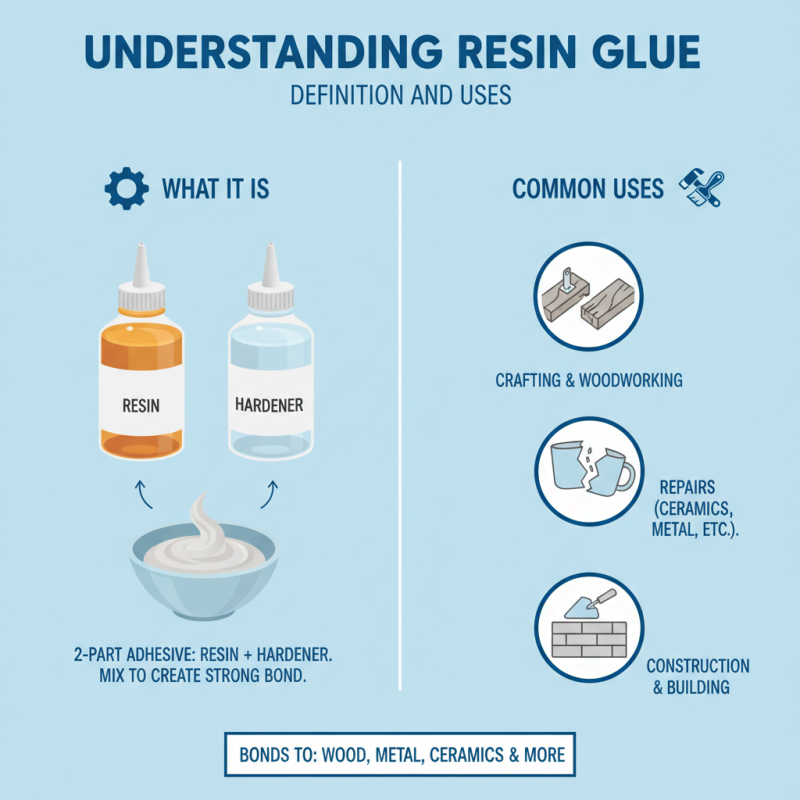
Resin glue is a versatile adhesive used widely in crafting, construction, and repairs. It consists of two main components: a resin and a hardener. Mixing these creates a strong bond that can adhere to various materials, including wood, metal, and ceramics. It's important to understand its uses and limitations.
When using resin glue, proper preparation is key. Surfaces should be clean and free of dust. Apply the glue evenly for a consistent bond. Allow sufficient time for curing. This may vary depending on the type of resin glue used.
**Tips:** Always test the adhesive on a small area first. Be aware that resin glue can produce strong fumes during curing. Ensure your workspace is well-ventilated. While resin glue is strong, consider its flexibility. It may not be suitable for all applications, especially where movement is expected.
Evaluating the right resin glue type is essential. Some are best suited for indoor projects, while others can withstand outdoor conditions. Take the time to understand each option. Embrace trial and error, as each project can teach valuable lessons.
Types of Resin Glue Available in China
When exploring resin glue types available in China, several options stand out due to their unique properties and applications. Epoxy resin glues are particularly popular for their exceptional strength and durability. According to a market report by Research and Markets, the demand for epoxy resin in China is projected to grow by 5% annually. This glue type is ideal for bonding metal, wood, and ceramics, making it versatile across various industries.
Polyurethane resin glues are another significant choice. They are noted for their flexibility and waterproof qualities. Data from the China Adhesives Industry Association highlights that polyurethane resin is often favored in construction and automotive fields. Their adaptability means they perform well under stress and are resistant to temperature changes. However, users should be cautious, as improper mixing can lead to bonding failures.
A third option is phenolic resin glue, often used in high-heat applications. It is known for its heat resistance and good bonding capabilities, especially in wood applications. Nonetheless, phenolic resin can be challenging to work with due to its long curing time. Users sometimes underestimate the importance of temperature control during its application, which could affect the final results. Awareness and understanding are essential for optimal use of these adhesives in practical scenarios.
Discover the Best Resin Glue Types Available in China
Factors to Consider When Choosing Resin Glue
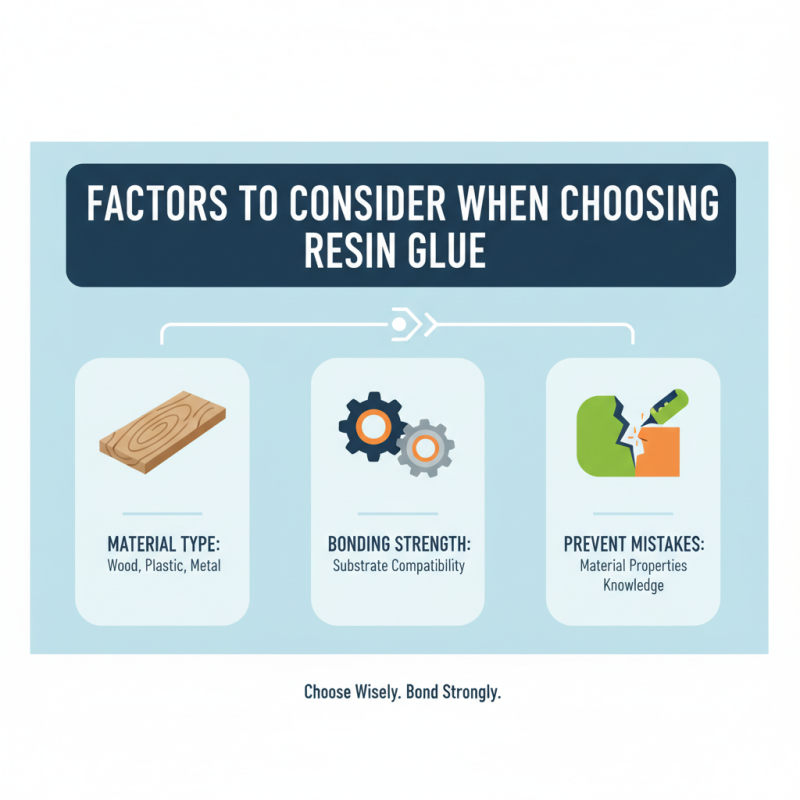
When choosing resin glue, several key factors come into play. The type of material you are bonding is crucial. Some resins work best with wood, while others excel at adhering plastic or metal. Understanding the properties of the materials can prevent costly mistakes.
The curing time is another important consideration. Some resins cure quickly, while others take longer to set. Quick-setting glue can be beneficial for urgent projects, but may not allow for adjustments. Always check technical datasheets for specific information, as it can vary significantly.
Additionally, the environment where the glue will be used should be assessed. Temperature and humidity may affect the adhesive properties. A glue that works well indoors may not perform the same in extreme weather. Testing small samples can help ensure compatibility. Mistakes can happen if you overlook these factors, leading to project setbacks or failures.
Comparative Analysis of Popular Resin Glue Brands
When exploring resin glue options in China, a comparative analysis reveals significant differences among popular brands. Insights from industry reports indicate that the adhesive strength of resin glues can vary by up to 30%. This variance can impact projects, especially in industrial applications.
User reviews suggest that ease of use greatly influences customer satisfaction. Many users find that certain products perform well when applied under ideal conditions. However, others report mixed results, particularly in temperature fluctuations. This inconsistency points to the need for more standardized testing methods in this growing market.
Additionally, a recent study highlighted that about 45% of users encounter curing issues with some products. This could lead to delays in project timelines, stressing the importance of understanding each type of resin glue. Market demand continues to grow, yet the room for improvement is evident. Better adherence to quality control and user education could enhance the overall experience for both professionals and DIY enthusiasts.
Application Techniques for Optimal Results With Resin Glue
When working with resin glue, mastering application techniques is crucial for achieving strong bonds. Proper surface preparation greatly enhances adhesion. Surfaces should be clean and dry. Sanding can improve grip. This step is often overlooked but vital. Pay attention to the details; a few missed spots can weaken the bond.
Temperature plays a significant role in the curing process of resin glue. Ideal conditions lead to optimal results. Finding the right temperature can be tricky. Colder environments slow curing times significantly. Conversely, excessive heat can cause early curing, resulting in messiness. Experimenting within a comfortable range yields the best outcomes.
Applying resin glue with the right tools ensures precision. Brushes or applicators can help control the amount used. Avoid over-applying, as this creates excess that can dribble and become unsightly. While it may seem tedious, patience in application yields better durability. Take the time to perfect your technique, and you will see improvements.
Discover the Best Resin Glue Types Available in China - Application Techniques for Optimal Results With Resin Glue
| Resin Glue Type |
Application Method |
Curing Time |
Best Use Cases |
| Epoxy Resin |
Mix equal parts and apply with a brush |
24 hours |
Wood, metal, and glass repairs |
| Polyester Resin |
Mix with catalyst and pour into molds |
1-2 hours |
Casting and fiberglass applications |
| Polyurethane Resin |
Apply with a spatula or brush |
6-12 hours |
Flexible bonding, crafts, and coatings |
| Silicone Resin |
Apply directly on clean surface |
24 hours |
Sealants and waterproofing |
 +86-15666836565
 CONTACT NUMBER