China Top Edge Banding Adhesive Applications and Benefits Explained
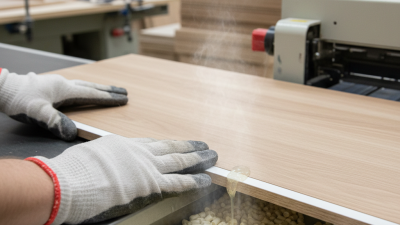
In the ever-evolving world of furniture manufacturing, Edge Banding Adhesive plays a crucial role. This adhesive is vital for creating clean, polished edges on panels. Understanding its applications is essential for manufacturers looking to enhance product quality. The right Edge Banding Adhesive ensures durability and aesthetic appeal.
The benefits of using Edge Banding Adhesive are numerous. It not only protects surfaces but also prevents moisture ingress. This is especially important in environments with high humidity. Manufacturers must consider the adhesive’s properties to achieve optimal results. While many options exist, not all adhesives deliver the same performance.
Challenges may arise in selecting the appropriate Edge Banding Adhesive. Factors such as material compatibility and application methods must be assessed carefully. There is no one-size-fits-all solution. Each project may require different adhesive characteristics. This necessitates ongoing evaluation and adjustment to ensure the best outcomes. Ultimately, choosing the right Edge Banding Adhesive can redefine the quality of finished products in the furniture industry.
China's Leading Edge Banding Adhesive Technologies in 2023
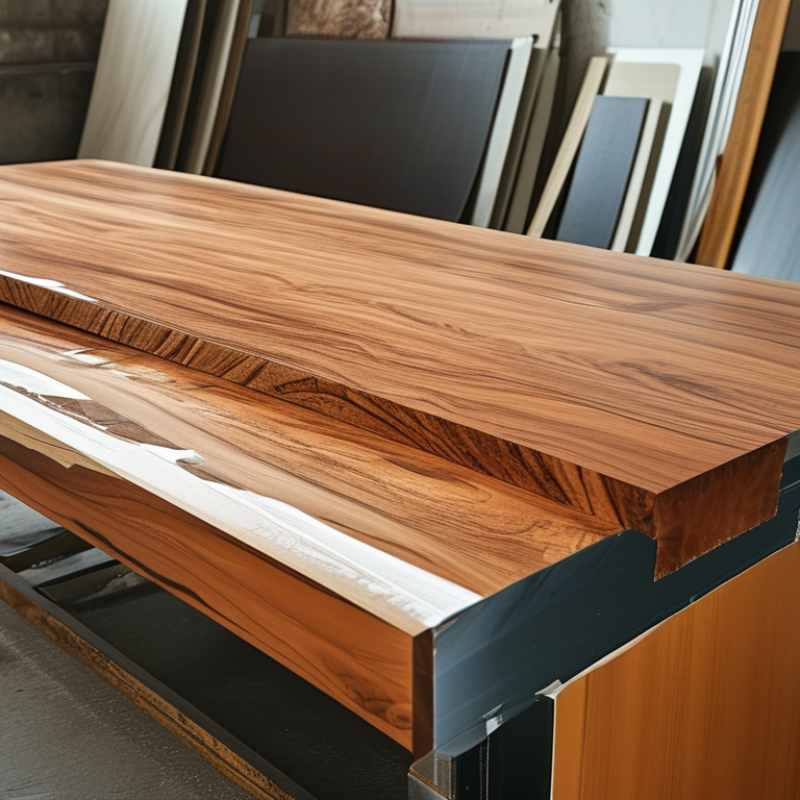
In 2023, China's edge banding adhesive technologies have advanced significantly. The country has made notable strides in producing high-performance adhesives that meet various industry standards. Reports indicate that the domestic market for edge banding adhesives is expected to reach USD 2 billion by the end of the year, driven by increased demand from furniture and cabinetry sectors.
One notable area of development is hot melt adhesives. These adhesives offer excellent bonding strength and quick setting times, making them popular among manufacturers. Additionally, water-based adhesives are gaining traction due to their eco-friendly properties. A recent survey highlighted that nearly 30% of manufacturers are considering switching to more sustainable options. Nevertheless, challenges remain, particularly regarding the consistency of quality across batches. Ensuring uniformity is crucial for maintaining product reliability.
Industrial professionals express mixed opinions about the future of edge banding technology. While some are optimistic about innovations, others emphasize the need for better quality control measures. As the market evolves, manufacturers must navigate these complexities. Collaboration with research institutions could foster improvement and drive advancements in adhesive performance. The future of edge banding in China showcases both promise and room for reflection.
China Top Edge Banding Adhesive Applications and Benefits Explained
| Application |
Benefits |
Adhesive Type |
Curing Method |
Market Share (%) |
| Furniture Production |
Durability and Aesthetic Finish |
Hot Melt Adhesive |
Thermal Curing |
40% |
| Woodworking |
Seamless Edges and Moisture Resistance |
Polyurethane Adhesive |
Chemical Curing |
25% |
| Home Appliance Industry |
High Resistance to Heat and Chemicals |
Epoxy Adhesive |
Room Temperature Curing |
15% |
| Automotive Interiors |
Improved Toughness and Flexibility |
Acrylic Adhesive |
UV Curing |
10% |
| Construction |
Enhanced Structural Integrity |
Silicone Adhesive |
Heat-Lowering Curing |
10% |
Market Demand and Growth Trends for Edge Banding Adhesives in China
The edge banding adhesive market in China is expanding rapidly. Recent reports indicate that the market reached nearly $2 billion in 2022, with annual growth rates projected to surpass 6% through 2028. This growth is driven by increasing demand in furniture and cabinetry manufacturing.
Several factors fuel this demand. The rise in home renovation projects contributes significantly to adhesive consumption. A recent survey revealed that over 40% of consumers plan renovations within the next year. This trend emphasizes the importance of quality edge banding, which enhances the durability and aesthetics of furniture. Manufacturers are investing in advanced adhesive technologies to meet these demands.
However, challenges persist. Fluctuating raw material prices can impact production costs. Inconsistent quality among suppliers raises concerns for manufacturers. The industry must adapt and innovate to address these issues. As the market evolves, keeping up with consumer preferences will be crucial for sustainability and growth.
Key Applications of Edge Banding Adhesives in Furniture Manufacturing
Edge banding adhesives play a crucial role in furniture manufacturing. They ensure clean, precise edges on wooden panels. The right adhesive can enhance durability and aesthetic appeal. According to a report by the Adhesive and Sealant Industry, over 70% of furniture manufacturers rely on edge banding adhesives for their projects.
In recent years, the demand for eco-friendly adhesives has surged. Many furniture makers are seeking adhesives with low VOC emissions. This aligns with growing consumer preferences for sustainable products. However, not all manufacturers have adapted quickly. Some still use traditional methods that can lead to lower quality finishes. Data indicates that companies using modern adhesives see a 15% increase in customer satisfaction.
Quality edge banding adhesives contribute to overall product longevity. They help resist moisture, scratches, and general wear. Interestingly, recent surveys show that about 40% of manufacturers face challenges in adhesive selection. Balancing cost and quality remains a critical issue. Brands often struggle with trade-offs, jeopardizing their market position. In the quest for better edge banding solutions, continuous innovation is vital.
Performance Benefits of Innovative Edge Banding Adhesives
Innovative edge banding adhesives hold significant potential in the woodworking and furniture industries. These advanced adhesives provide superior performance, enhancing both product longevity and visual appeal. According to a 2023 industry report, the demand for high-performance edge banding adhesives is projected to grow by 7% annually. This trend reflects an increasing emphasis on quality and durability in consumer products.
One major benefit of these adhesives is their ability to withstand extreme conditions. They resist moisture, temperature fluctuations, and wear, which is essential for items used in kitchens and bathrooms. For instance, adhesives with high heat resistance can endure conditions up to 180°C without degrading. However, not all formulations achieve these standards, highlighting a need for careful selection. Data suggests that up to 30% of adhesives currently on the market do not meet these performance benchmarks.
Furthermore, the aesthetic quality provided by edge banding adhesives cannot be ignored. High-quality adhesives ensure seamless finishes, which contribute to the overall look of furniture. However, achieving a perfect finish can be challenging. Slight imperfections may occur during application, leading to visible seams. Despite these challenges, the industry continues to innovate. Research indicates that new formulations are being developed to minimize these flaws. This offers promising avenues for improving both performance and visual appeal in edge banding applications.
Environmental Considerations and Sustainability in Edge Banding Solutions
Edge banding plays a crucial role in enhancing the aesthetics and durability of furniture. As manufacturers strive for sustainable practices, choosing eco-friendly edge banding adhesives is essential. These adhesives not only extend the life of products but also reduce environmental impact. Many options are available that comply with strict environmental regulations. These options help minimize volatile organic compounds (VOCs) in the production process.
Sustainability in edge banding involves looking at the entire lifecycle of materials used. Factors like sourcing, production processes, and disposal matter significantly. Water-based adhesives have gained popularity due to their lower environmental footprint. They provide good adhesion without harmful fumes. However, some products still struggle with performance issues in high-stress environments.
Improving sustainability is an ongoing challenge. Not all edge banding solutions are equally effective. Manufacturers must balance durability and environmental impact. Continuous product testing and feedback from users can lead to better options. These improvements require collaboration between manufacturers, designers, and consumers. Keeping sustainability in mind will guide future innovations in this field.
 +86-15666836565

 CONTACT NUMBER