+86-15666836565


Choosing the right Edge Banding Glue can significantly impact your woodworking projects. In the construction and furniture industries, adhesive selection plays a crucial role. Reports indicate that nearly 30% of furniture defects arise from improper adhesive use. The correct glue not only ensures durability but also enhances the overall aesthetic of the finished product.
Durability and bonding strength are vital. Different materials require specific adhesives. For instance, polyvinyl acetate (PVA) works well with wood, whereas hot melt adhesives offer quick bonding for various surfaces. Understanding these nuances reflects a deeper level of expertise in the field. Yet, many hobbyists and professionals alike overlook this critical step, leading to costly mistakes.
It's essential to evaluate the project requirements before making a decision. Factors such as moisture resistance and application method should guide the choice of Edge Banding Glue. Reflecting on past projects can provide valuable insights. Some glues might work well in ideal conditions but fail under pressure. Construction reports underscore the need for careful testing. It's not just about sticking edges together; it's about building a reliable bond that stands the test of time.
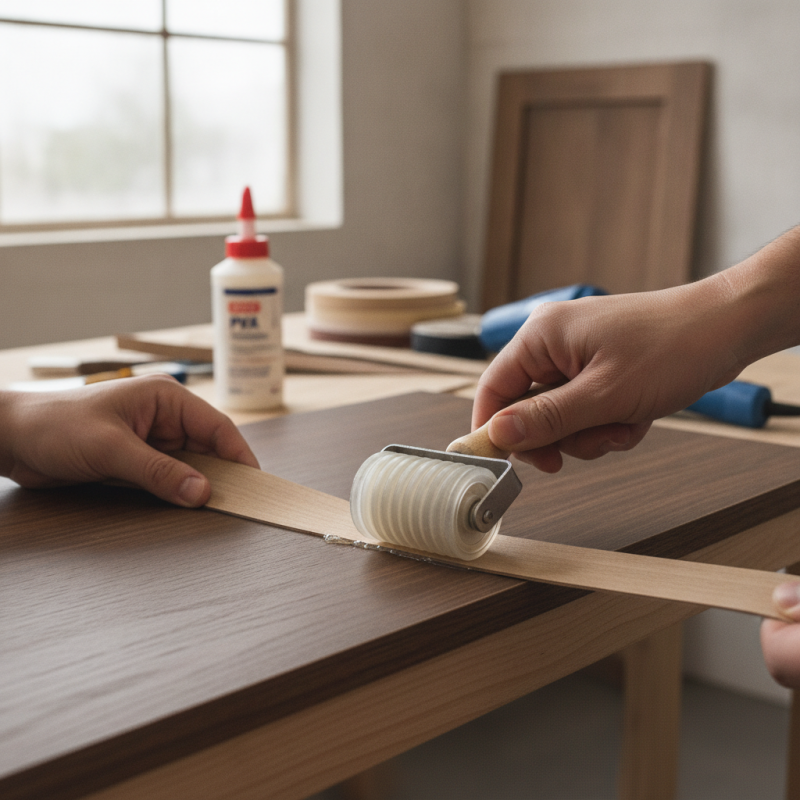
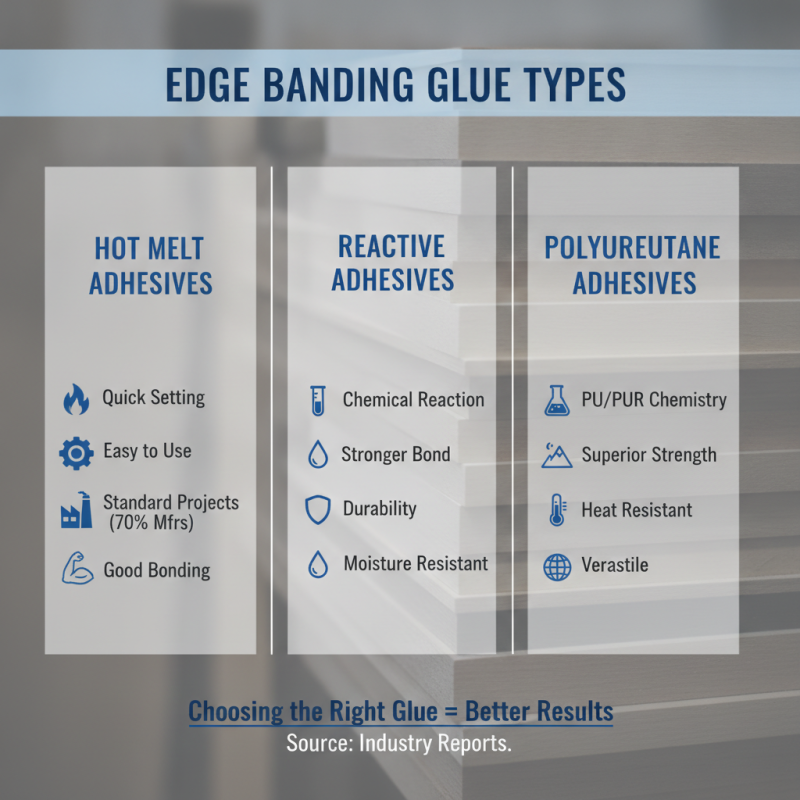
When selecting edge banding glue, understanding the types available is crucial. The most common types include hot melt adhesives, reactive adhesives, and polyurethane adhesives. Each type has unique properties that affect both bonding strength and application methods. For instance, hot melt adhesives are favored for their quick setting characteristics and ease of use. According to industry reports, around 70% of manufacturers prefer this type for standard projects due to its efficiency.
Reactive adhesives, on the other hand, deliver a stronger bond and are ideal for high-stress environments. They typically undergo chemical reactions during curing, leading to exceptional durability. Polyurethane adhesives stand out for their moisture resistance, making them suitable for areas where humidity may be an issue. In fact, studies show that projects using polyurethane tend to last longer in adverse conditions.
Tips: Always consider the material you're working with. Not all adhesives bond well with every substrate. Test a small area first before proceeding. Also, evaluate the project environment—heat and moisture can impact your glue's performance. A less than perfect bond can lead to frustrating rework, so choose wisely and reflect on what past experiences teach you about each adhesive type.
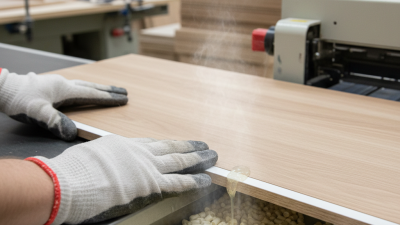
When choosing edge banding glue, several critical factors come into play. The type of material you are bonding is essential. Different materials may require specific adhesives for the best bond. For instance, wood needs a different approach than plastic. Sometimes a universal glue may not offer the same strength on all surfaces. Testing a small section can save you time and effort later.
The environment where the project will be used also matters. Consider humidity and temperature conditions. Some glues perform poorly in high humidity, leading to delamination over time. Likewise, temperature fluctuations can affect the glue's longevity and flexibility. Always be cautious and check the manufacturer’s specifications for environmental resistance.
Viscosity is another area to reflect upon. A glue that is too thick might not seep into the edges well. On the flip side, glue that is too runny can create a mess. You might find yourself needing to adjust your application technique based on the glue's properties. Remember, imperfection in application can lead to gaps, which can spoil the project’s aesthetics.
When it comes to applying edge banding glue, proper technique is crucial for achieving a professional finish. Start by ensuring your surfaces are clean and prepped. Dust or grease can compromise adhesion. Apply the glue using a roller or brush, aiming for an even layer across the edge banding. Too much glue can create messy overflow, which complicates sanding later. A little practice is necessary to find the right amount.
Clamp the edge banding firmly after application. This step is vital to ensure a tight bond. Use uniform pressure across the length of the banding. Some projects may require a second application if the initial layer wasn't sufficient. Allow adequate drying time before sanding, as rushing this can lead to uneven edges. Check for gaps and inconsistencies once dried, and take the time to correct them. Perfecting your technique takes time, and learning from each application can lead to better outcomes.
Choosing the right edge banding glue is crucial for the quality of your projects. Yet, many often overlook common mistakes that can lead to disappointment. According to a recent report by the Woodworking Association, 74% of professionals faced adhesion failures due to improper glue selection. This highlights the need for careful consideration.
One key mistake is not understanding the substrate material. Different materials require different types of glue for optimal bonding. For instance, using moisture-sensitive glue on MDF can cause delamination. Additionally, temperatures can affect the curing process. Failing to adhere to the recommended temperature guidelines can weaken the bond.
Another pitfall is neglecting surface preparation. Clean surfaces allow for better adhesion, thus enhancing durability. A survey revealed that 58% of failed projects resulted from inadequate surface cleaning. Operators often underestimate the importance of sanding and fulfilling manufacturer's recommendations for the best outcomes. Taking these factors into account can significantly boost success rates in edge banding projects.
When selecting edge banding glue, durability is key. According to a 2021 industry report, up to 30% of edge banding failures are due to inadequate adhesive choice. Proper glue ensures the longevity of the bond and the overall integrity of the project. For example, a moisture-resistant option may be vital for environments with high humidity, as wood expands and contracts. This could influence how well the edge banding stays intact over time.
Another crucial aspect is application technique. Surface preparation significantly affects bond strength. An unclean or poorly sanded edge can lead to failure, even with quality glue. A study revealed that up to 40% of adhesive failures stem from improper surface treatment. Applying pressure evenly during curing is also essential. Fluctuations in temperature can adversely impact the bonding process, leading to weak links.
Moreover, consider the aesthetic finish. Clear glue may be less visible but might not offer the same strength as colored alternatives. Even experienced craftsmen sometimes overlook this. It’s important to balance appearance with performance. Remember, perfection is complex in adhesive application. Regular testing and adjustments can improve results in future projects.
| Glue Type | Drying Time | Heat Resistance | Water Resistance | Best For |
|---|---|---|---|---|
| PVA Glue | 30-60 minutes | Moderate | Low | Indoor furniture |
| Polyurethane Adhesive | 1-2 hours | High | High | Outdoor applications |
| Epoxy Resin | 5-30 minutes | Very High | Very High | High-stress applications |
| Hot Melt Adhesive | Immediate | Moderate | Low | Quick assembly |
| Contact Cement | 10-30 minutes | High | Moderate | Laminate surfaces |