China Best Powder Glue Applications and Benefits Explained
In recent years, the use of Powder Glue has gained significant traction in various industries. Dr. Emily Chen, a leading expert in adhesive technology, emphasizes its versatility: "Powder Glue offers unique benefits that traditional adhesives cannot match." This material is particularly valued for its durability and ease of application.
Powder Glue is increasingly chosen for woodworking, automotive, and construction projects. Its ability to bond diverse materials contributes to its growing popularity. Construction teams often cite Powder Glue's quick-setting properties as a game-changer, enabling faster project timelines. However, some users have reported challenges with consistency in application. Achieving the right mix is crucial for optimal performance.
While Powder Glue presents numerous advantages, it also demands careful handling. The fine powder can create dust, raising concerns about worksite safety. Proper ventilation and protective gear are essential. As the industry evolves, ongoing education about best practices becomes vital. Balancing the innovative aspects of Powder Glue with safety and consistency remains a critical discussion within the community.

Applications of China Best Powder Glue in Manufacturing Industries
Powder glue, notably utilized in various manufacturing sectors, offers several advantages. It is particularly effective in the automotive, electronics, and furniture industries. According to a report by Research and Markets, the global adhesive market is projected to reach $70 billion by 2025, with powder glue accounting for a significant share.
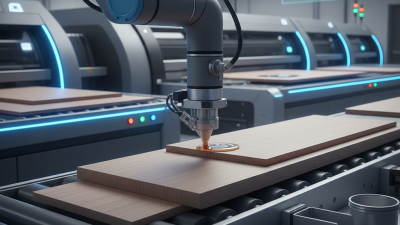
One of the standout applications of powder glue is in automotive assembly. Its high bond strength and resistance to heat and moisture make it ideal for parts that undergo harsh conditions. In electronics, powder glue assists in the precise bonding of components, enhancing durability. Furniture manufacturers appreciate its fast curing time, allowing for increased efficiency in production.
Tips: Consider the specific temperature and humidity levels of your manufacturing environment. High moisture can affect adhesion quality. Always test the glue on sample materials prior to full-scale application. Regular training on application techniques can help reduce errors and improve safety protocols. Always stay informed about the latest adhesive technology trends to enhance your production processes.
Key Benefits of Using Powder Glue Over Traditional Adhesives
Powder glue stands out as a versatile option for many applications. Its unique formulation offers several advantages over traditional adhesives. One key benefit is its ability to bond various materials, including wood, metal, and ceramics. This makes it ideal for different projects, whether in crafts or construction.
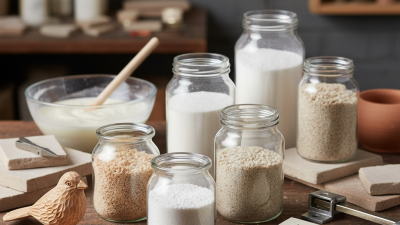
Consider the ease of use. Powder glue can be mixed with water to create a strong adhesive paste. This quality reduces waste. Users can prepare only what they need for the task. This efficiency is appealing for both small and large-scale applications.
Tips: Ensure surfaces are clean before application. This step enhances adhesion and durability. Experiment with different mixing ratios to find the best result for specific materials.
Powder glue also boasts a longer shelf life than liquid options. It doesn’t dry out quickly, which provides flexibility for future projects. However, not every project may benefit from powder glue. Users should assess the particular requirements before deciding. Understanding these nuances can lead to better results and satisfaction.
China Best Powder Glue Applications and Benefits Explained - Key Benefits of Using Powder Glue Over Traditional Adhesives
| Application |
Benefits |
Comparison with Traditional Adhesives |
| Woodworking |
Strong bond, quick curing time |
Less mess and easier to clean |
| Craft Projects |
Versatile, can bond different materials |
More flexible than liquid glues |
| Construction |
Durable under various environmental conditions |
Higher resistance to moisture compared to traditional adhesives |
| Automotive |
High strength and temperature resistance |
Better for high-stress applications than most liquid adhesives |
| Metal Fabrication |
Bonding dissimilar metals efficiently |
No risk of corrosion as with some liquid options |
Environmental Considerations: Eco-Friendliness of Powder Adhesives
Powder adhesives are increasingly recognized for their eco-friendliness. Unlike traditional liquid adhesives, powder formulations emit fewer volatile organic compounds (VOCs). This reduced emission is beneficial for indoor air quality. Many industries are now prioritizing environmentally safe materials. As a result, powder adhesives are becoming a preferred choice for sustainable manufacturing.
The production process of powder adhesives generally uses less energy compared to their liquid counterparts. This can lead to a lower carbon footprint. However, there are areas for improvement, such as sourcing raw materials sustainably. It's important for manufacturers to evaluate their supply chains. They should aim to minimize environmental impact.
Additionally, powder adhesives require specific application techniques that may involve more training. This can pose challenges for some users. The transition to these adhesives can be complex. Despite these hurdles, the environmental benefits make them an attractive option. It is crucial for industries to weigh both the advantages and the limitations of powder adhesives in their operations.
China Best Powder Glue Applications and Benefits
Comparative Performance Analysis of Powder Glue vs. Liquid Glue
When comparing powder glue to liquid glue, several factors come into play.
Powder glue often provides a
more robust bond. This is particularly useful in applications requiring
high strength. Liquid glue, while versatile, may not always deliver the
same durability.
One area where powder glue excels is in
moisture resistance. Many powder formulas repel
water, preventing degradation over time. Liquid glues can weaken when exposed to humidity. This makes powder glue
a favorable choice in fluctuating environments.
Tips: For better results, always mix powdered glue according to the
guidelines. This ensures optimal bonding. Also, choose the right formulation based on your specific project needs.
Experimenting with small batches can help avoid waste. Remember, not every project will suit
powder glue. Reflect on your materials and requirements before making a decision.
Market Trends and Growth Projections for Powder Glue in Asia-Pacific
The Asia-Pacific region is witnessing a surge in demand for powder glue applications. The market is projected to grow significantly, with a compound annual growth rate (CAGR) of around 7.5% from 2023 to 2030, according to industry reports. The construction and woodworking sectors are driving this trend, fueled by rising infrastructure projects and furniture production.
One notable aspect is how businesses are increasingly adopting eco-friendly adhesives. Environmental concerns are paramount. As stricter regulations emerge, companies are urged to implement sustainable practices. However, many still face challenges in transitioning to greener alternatives. The demand for high-performance bonding solutions often conflicts with the need for sustainability. This dilemma requires careful consideration in product development.
Moreover, regional variations impact the market dynamics. Countries like China and India show robust growth potential, but they also struggle with quality control issues. Inconsistencies in raw materials can affect the reliability of powder glue performance. Companies must navigate these challenges to enhance their market position. Understanding local needs is crucial for success in this evolving landscape.
 +86-15666836565
 CONTACT NUMBER