How to Use Hot Glue Pellets for Your Craft Projects?
Hot Glue Pellets are a versatile tool for any crafter. Whether you're a professional or a hobbyist, they can enhance your projects significantly. According to renowned crafting expert, Emily Sanders, “Hot Glue Pellets offer unmatched flexibility and quick adhesion.” This unique feature makes them ideal for various applications, from home decor to intricate models.
Choosing the right glue type can be challenging. Hot Glue Pellets come in different formulations, catering to specific needs. For example, some are designed for low-temperature applications, while others offer extra strength for tougher jobs. Understanding these options is crucial to achieving successful results. It’s essential to experiment with different types to find what works best for your projects.
Mistakes often happen, even for experienced crafters. You might find that certain materials don’t bond as expected. That's okay. Reflecting on these moments helps improve your crafting skills. Embracing the learning process is part of the journey with Hot Glue Pellets. They can be your best ally when used correctly, but they require practice to master.
Understanding Hot Glue Pellets: Types and Characteristics
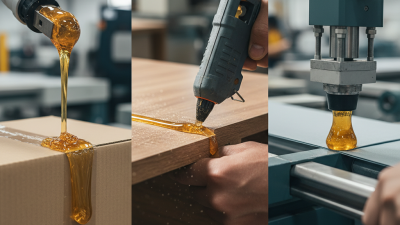
Hot glue pellets are versatile tools in the crafting world. They come in various types, each suited for specific projects. Generally, you can find standard, low-temperature, and high-temperature pellets. Standard pellets work well on paper and light materials. Low-temperature options are safer for delicate items like fabric or foam. High-temperature pellets are ideal for stronger bonds, making them perfect for wood and plastic.
When choosing hot glue pellets, consider the melting point and strength. Always match the pellets to your project needs. Pellets might seem confusing at first. Testing different types can help you find the best fit for your artwork. Remember, not all pellets react the same in every environment.
Tips: Always apply glue in a well-ventilated area. This minimizes exposure to fumes and ensures a safer crafting experience. Keep your glue gun clean to prevent clogs. Clogging can ruin your project and cause waste. Take your time when gluing; rushing can lead to uneven applications. Experimenting is essential. Don’t be afraid to make mistakes; they often lead to surprising creative breakthroughs.
Hot Glue Pellets: Characteristics and Uses
Choosing the Right Hot Glue Gun for Pellet Use
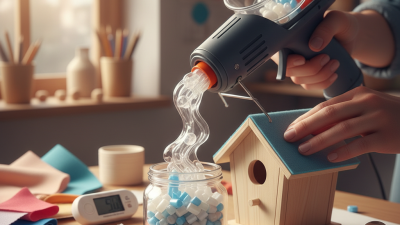
Choosing the right hot glue gun for pellet use is crucial for achieving successful results in your craft projects. Not all glue guns are created equal. When you plan to work with hot glue pellets, look for a gun that can handle high temperatures. High-temperature guns provide better adhesion for various materials, ensuring your projects stick well. Check the gun's compatibility with pellet size, as some accept only certain shapes.
Consider the trigger mechanism. A smooth and responsive trigger leads to better control and less mess. This is particularly important for intricate projects where precision is key. Safety should also be a priority. Look for features like an insulated nozzle or an automatic shut-off feature. Hot glue can burn, and you want to prevent accidents.
Don’t overlook the importance of wattage. Higher wattage means faster heating times and a more consistent flow of glue. However, this can lead to overheating if not monitored. If you’re working with different materials, an adjustable temperature feature could be beneficial. Ultimately, choosing the right glue gun might take some trial and error. It’s about finding a balance between power and control. So, take the time to experiment and reflect on what works best for your unique crafting needs.
Step-by-Step Guide to Melting and Applying Hot Glue Pellets
Hot glue pellets have gained popularity in various craft projects due to their convenience and versatility. They are preferred for their quick setting time and strong adhesion capabilities. According to recent industry reports, the hot glue market is projected to grow by approximately 5% annually, driven by increased DIY activities and crafting trends. This indicates a rising interest among hobbyists and professionals alike in utilizing hot glue for different applications.
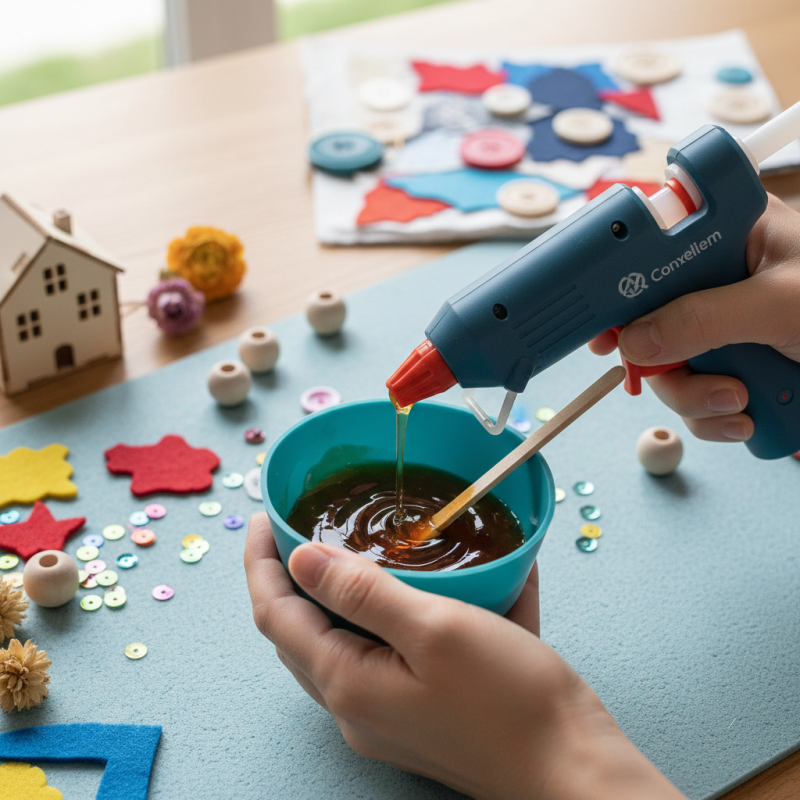
To effectively melt and apply hot glue pellets, start by selecting the right glue gun. Ensure it matches the size of your pellets. Heat the glue gun according to the manufacturer’s guidance. This is crucial, as overheating can result in burn risks or ineffective bonding. A standard recommendation is to let the glue gun heat for about 5 minutes.
As you apply the melted glue, work in small sections. This allows for better control and precision. Glue can cool quickly, so be prepared to work swiftly. It’s common to find that some projects might not hold as intended if the glue isn’t applied uniformly. Take time to reflect on how you apply the glue. Learning from imperfections can lead to improvements in future projects.
Best Practices for Using Hot Glue Pellets in Various Craft Projects
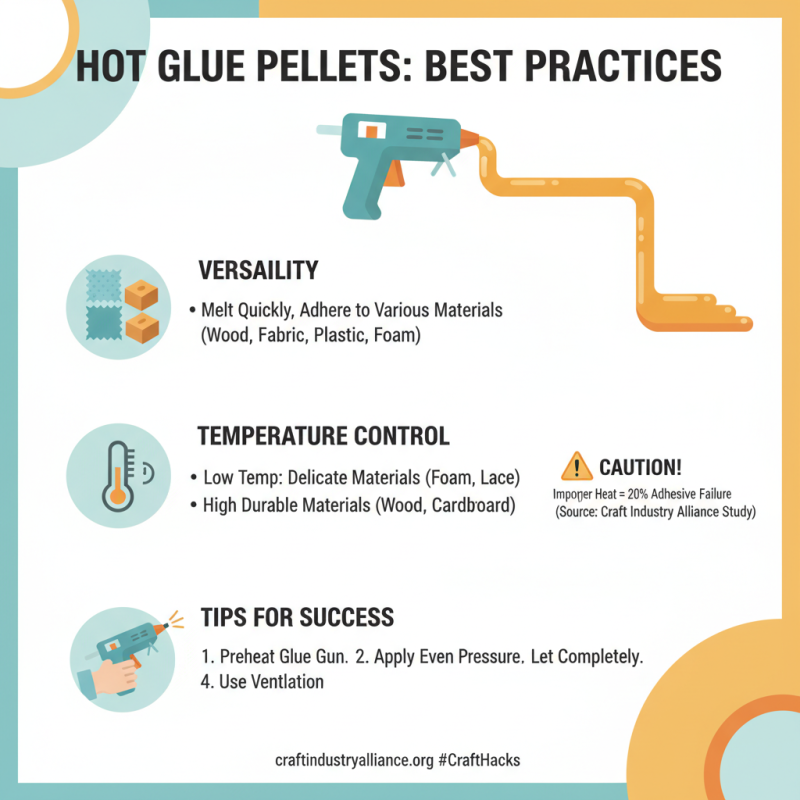
Hot glue pellets are versatile tools for various craft projects. These pellets melt quickly and adhere well to different materials. When using them, consider the temperature settings of your glue gun. Higher temperatures can damage sensitive materials like foam or lace. According to a study by the Craft Industry Alliance, improper temperature settings can lead to adhesive failure in up to 20% of craft projects.
Proper application techniques can enhance your project outcomes. For instance, apply the glue in a thin layer for better adhesion and faster cooling times. This can be crucial for projects requiring precision, such as intricate jewelry designs. A report from the American Institute of Crafts suggests that using a consistent bead size helps maintain uniformity and stability across designs. Experimentation may be required to find the perfect technique for your needs.
Keep in mind some common challenges. Hot glue can create messy finishes if not applied carefully. In some cases, it might not bond well with certain surfaces, leading to frustrations. Users often reflect on their experiences and note that patience is key. Adjusting your approach based on what works and what doesn’t is part of the learning process in crafting.
Safety Tips and Precautions When Working with Hot Glue Pellets
When working with hot glue pellets, safety should be your top priority. Hot glue can reach temperatures of over 400°F (204°C), which poses a burn risk. Always wear protective gloves when handling glue guns. According to the National Institute for Occupational Safety and Health, burns are among the most common injuries in DIY projects. Hence, understanding safety protocols is crucial.
Before starting your project, ensure your workspace is clear of any flammable materials. Keep a fire extinguisher nearby, just in case. Use glue guns with automatic shut-off features to minimize risks. Remember, children should always be supervised during crafting sessions. Ensure they are at a safe distance when glue guns are in use.
Tips: Take breaks while working on large projects. This will help prevent accidents due to fatigue. Always test the glue's temperature on a scrap piece before applying it to your final project. Small mistakes can lead to bigger problems later. Reflecting on these precautions can significantly enhance your crafting experience and maintain safety.
 +86-15666836565

 CONTACT NUMBER