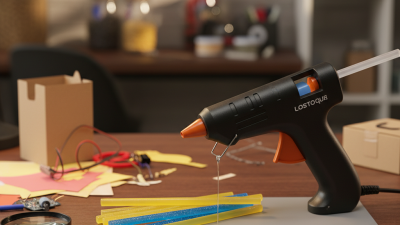
Top Quality Hot Melt Sticks for Global Buyers in 2026?
As the demand for efficient adhesive solutions grows, Hot Melt Sticks are gaining momentum in various industries. According to a recent industry report, the global hot melt adhesive market is expected to reach over $13 billion by 2026. This surge highlights the vital role of Hot Melt Sticks in packaging, woodworking, and automotive applications. Their versatility and effectiveness make them essential for manufacturers seeking reliable bonding agents.
The continuous evolution of Hot Melt Stick formulations enhances their performance. Emerging technologies allow for greater customization, meeting specific needs across various sectors. However, challenges remain. Quality control and sourcing high-grade materials are crucial factors that impact overall product performance. Buyers need to be aware of these aspects to ensure they choose the best options.
Furthermore, sustainability in production processes is becoming increasingly important. As environmental regulations tighten, manufacturers will have to adapt. Hot Melt Sticks that adhere to eco-friendly standards will likely dominate the market. Buyers must consider these factors when sourcing products. Identifying reliable suppliers who demonstrate expertise in Hot Melt technology will be essential for success.

Overview of Hot Melt Sticks: Types and Applications
Hot melt sticks are essential in various industries. They offer a reliable method for bonding materials. Different types serve different needs. For example, there are all-purpose sticks designed for everyday use. Specialty sticks cater to specific tasks, such as fabric bonding or crafts.
In manufacturing, hot melt sticks are vital in assembly lines. They provide quick adhesion, ensuring efficient production. In construction, these sticks bond heavy materials, even in challenging environments. Schools and homes also benefit from using hot melt sticks for arts and crafts. They are safe and easy to use, making them popular among DIY enthusiasts.
However, choosing the right stick can be tricky. Some users may struggle with application temperatures or adhesion strength. Not all sticks perform well on every surface. Understanding specific requirements is crucial. Exploring suppliers for detailed specifications can help buyers make informed decisions. A bit of experimentation may be necessary to find the ideal match for each project.
Key Features of High-Quality Hot Melt Sticks
When considering the best hot melt sticks, several key features stand out. The adhesive strength is crucial. A high-quality stick should bond quickly to a variety of surfaces. This ensures that projects are completed efficiently and effectively. Additionally, temperature resistance is essential. Sticks need to withstand heat without losing adhesion.
Another important aspect is color compatibility. High-quality hot melt sticks are often available in various colors. This allows users to match their projects seamlessly. Transparency can be a desirable feature as well. It provides a clean finish for delicate applications.
Still, there are challenges. Not all high-quality sticks perform equally. Variations in manufacturing can lead to inconsistencies. Users might find some sticks underperforming, which can be frustrating. Proper testing is essential to identify the best options for specific projects. It’s important to stay informed about new materials and technologies that enhance performance.
Top Quality Hot Melt Sticks for Global Buyers in 2026
| Feature |
Description |
Importance |
| Adhesive Strength |
High bond strength suitable for various materials |
Essential for durability and longevity of bonds |
| Viscosity |
Ideal viscosity for easy application and quick setting |
Crucial for user-friendly experiences and quick production |
| Color Options |
Variety of colors available for customization |
Enhances product aesthetics and branding |
| Temperature Resistance |
Withstands high and low temperatures |
Important for applications in diverse environments |
| Cure Time |
Fast curing time for efficient workflow |
Reduces production delays |
| Safety Standards |
Complies with international safety regulations |
Ensures user safety and product reliability |
| Shelf Life |
Long shelf life for better inventory management |
Reduces waste and lowers costs |
Market Trends and Demand for Hot Melt Sticks in 2026
The demand for hot melt sticks is expected to surge in 2026, reflecting trends across various sectors. According to a recent industry report, the global hot melt adhesive market is projected to grow at a compound annual growth rate (CAGR) of 5.3% from 2021 to 2026. This growth is largely driven by increasing use in packaging, furniture, and automotive applications. Manufacturers are investing heavily in R&D to enhance product performance, demonstrating a commitment to meeting evolving consumer needs.
Quality remains paramount in the production of hot melt sticks. As businesses strive to achieve better adhesion and durability, the raw materials used in hot melt formulations play a crucial role. Studies suggest that eco-friendly options are gaining traction. However, some producers still grapple with sourcing sustainable materials. This gap presents opportunities for improvement and innovation.
Market players are also facing challenges with global supply chains. Disruptions in raw material availability can lead to inconsistent product quality. Adhering to international standards is essential, yet some manufacturers find it hard to comply. As the market evolves, addressing these concerns will be vital for maintaining competitive advantage. Effective strategies and a willingness to adapt will be key in navigating the complex landscape of hot melt adhesive demand.
Top Global Manufacturers of Hot Melt Sticks
The global market for hot melt sticks has seen significant growth. As demand rises, key manufacturers are stepping up their production capabilities. These manufacturers vary in size and expertise, ranging from small-scale operations to large industrial suppliers. Each brings unique processes and formulations to the table.
Quality control is essential in the production of hot melt sticks. Manufacturers invest in advanced technology to ensure consistency. Testing for adhesion strength and melt flow properties is common. Some manufacturers focus on eco-friendly formulations, appealing to environmentally conscious consumers. The diverse range of options sometimes leads to confusion among buyers regarding which products are truly high-quality.
Innovation is crucial, yet it poses challenges. New formulations might not perform as expected. Some manufacturers grapple with sourcing sustainable materials. This can impact production timelines and costs. Engaging with manufacturers who prioritize transparency and communication can mitigate risks. Buyers must remain vigilant and consider all aspects before making a final choice.
Sourcing Strategies for International Buyers in 2026
As international buyers seek top-quality hot melt sticks in 2026, effective sourcing strategies become crucial. The global market is expanding. Buyers must focus on suppliers who demonstrate reliability and consistency. Research is vital here; understanding the supplier's production capabilities is essential for ensuring a steady supply.
Collaboration with local distributors can offer insights into regional trends. Networking at industry trade shows can yield valuable contacts. However, not every connection proves beneficial. It's essential to assess potential partners rigorously. Unreliable suppliers can lead to delays and compromised product quality. Take the time to evaluate past performance.
Additionally, buyers should consider diversifying their supplier base. Relying on a single source can be risky, especially in unpredictable markets. Consider engaging in trial orders before making large commitments. This approach allows for assessing the quality firsthand and building a relationship. Reflecting on these strategies can lead to more informed, secure purchasing decisions for hot melt sticks.
 +86-15666836565

 CONTACT NUMBER