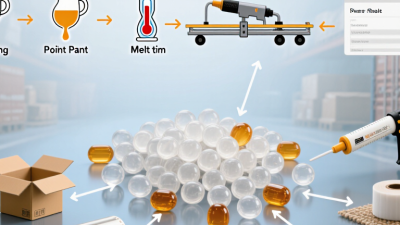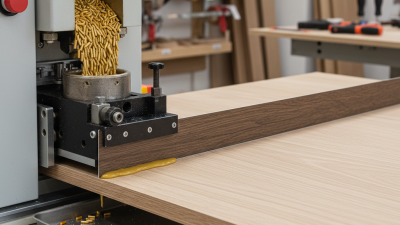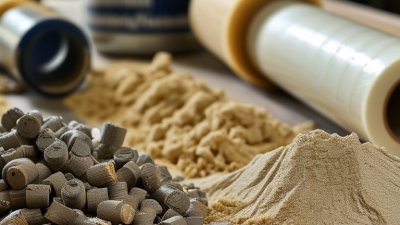
+86-15666836565


The 2026 Best Hot Melt Pellets for Global Buyers? This question demands more than a supplier ranking. Buyers must match pellet chemistry with equipment, product design, climate, and production speed. A packaging plant in Singapore may need strong humidity resistance. A furniture factory in Poland may prioritize fast setting and clean bonding. A label producer in Mexico may require stable viscosity at high line speeds.
Dr. George Wypych, a recognized polymer materials expert, has stated, “The properties of polymers depend on their chemical structure and processing conditions.” This principle remains highly relevant when comparing Hot Melt Pellets. EVA, polyolefin, polyester, and polyamide grades can behave very differently, even when their labels appear similar. Check softening point, open time, melt viscosity, adhesion range, pellet size, and thermal stability. Ask for technical data sheets, safety documentation, batch records, and application samples. A practical trial can reveal stringing, carbon buildup, poor wetting, or uneven feeding.
The perfect pellet does not exist.
Global buyers should also inspect packaging details. Moisture-barrier bags, clear batch coding, and consistent 20- or 25-kilogram packing can reduce handling problems. Supplier reliability matters when one delayed shipment stops a production line. Certifications and regional compliance should be verified for the intended market, not assumed from a sales brochure. Some performance claims may look impressive but lack independent testing. That is where careful buyers should pause. The best choice is usually the pellet that performs consistently, travels safely, and fits the complete manufacturing process.
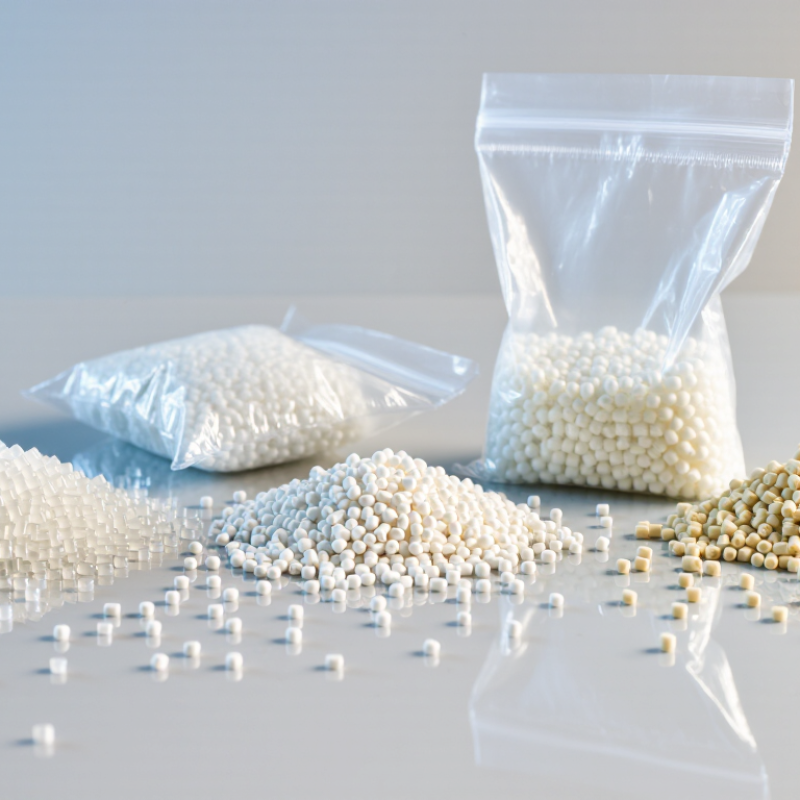
Hot melt pellets are solid thermoplastic adhesive granules designed for heat-activated bonding. They remain stable at room temperature and soften inside a heated melter. Once liquefied, the adhesive flows through a nozzle, roller, or slot die. It then cools and forms a bond as it returns to a solid state.
The process is fast. No solvent evaporation is required. In production trials, operators often monitor melt temperature, viscosity, open time, and coating weight. A few degrees can change the flow noticeably. Too much heat may damage sensitive substrates or increase odor. Too little heat can create weak coverage and poor wetting. The pellets also need dry, sealed storage, because moisture can affect processing consistency.
For global buyers in 2026, material selection should match the application rather than rely on price alone. Packaging, woodworking, textiles, electronics, and product assembly may require different bonding behavior. Substrate type matters greatly. Paper, fabric, plastic, and coated surfaces do not accept adhesive in the same way. Test samples under real production speeds and temperatures. Small tests reveal large problems.
A practical evaluation should include bond strength, cooling time, machine compatibility, color, and safe handling information. Technical data sheets support comparison, but they cannot replace line trials. Even experienced teams may overlook cleaning intervals or nozzle buildup. That gap deserves attention before a large shipment is approved.

2026 Best Hot Melt Pellets for Global Buyers?
The best hot melt pellet depends on the substrate, service temperature, and bonding speed. EVA pellets offer balanced adhesion, easy processing, and cost control. They suit packaging, paper labels, and many general assembly tasks. Polyolefin pellets provide lower odor and strong moisture resistance. They often perform well on plastics and coated surfaces. Polyamide pellets resist heat, oils, and demanding industrial conditions. However, they may need higher application temperatures. Polyurethane reactive pellets can create durable bonds after moisture curing. Their open time and storage requirements need careful control.
Material data should guide every purchase. Check softening point, viscosity, open time, tensile strength, and color stability. A pellet may flow smoothly but fail on a dusty or low-energy surface. I have seen promising samples lose adhesion after temperature cycling. That result was disappointing, but useful. Laboratory values do not always match production conditions.
Tips: Request technical data and representative samples. Test them on the real substrate, not only a metal panel. Record nozzle temperature, line speed, coating weight, and cooling time. Store pellets in sealed packaging, away from heat and moisture. Compare results after 24 hours and after aging. Small differences matter. Also, confirm consistent pellet size, batch traceability, and shipment packaging before approving a global supplier.
2026 Best Hot Melt Pellets for Global Buyers?
How to Select Hot Melt Pellets for Different Applications
Hot melt pellets should match the substrate, equipment, and production speed. Packaging lines often need fast setting and strong adhesion to coated paper or film. Furniture assembly may require longer open time for accurate positioning. Nonwoven products need flexible bonding and low fiber damage. The wrong pellet can create stringing, blocked nozzles, or brittle seams.
Start with operating temperature and viscosity. Check the applicator’s heating range, then compare the pellet’s softening point and melt viscosity.
A 2024 MarketsandMarkets report valued the global hot melt adhesives market at about USD 10.5 billion in 2023, with packaging, transportation, and nonwovens among key applications.
This growth does not make every formulation suitable. It only increases the need for precise selection.
Ask suppliers for technical data sheets, safety documents, and batch consistency records. Test adhesion after heat, cold, humidity, and repeated flexing.
For food-contact packaging, verify applicable migration requirements in the destination market.
Reported market forecasts differ: Grand View Research expects strong growth through 2030, but estimates vary by scope and chemistry. That gap deserves attention. A small pilot test is cheaper than a full-line failure.
I still see buyers choosing by price alone. It is tempting, but incomplete. Temperature stability, clean running, and application waste can change the real cost.
For 2026 global buyers, hot melt pellets must meet more than melting-point targets. Grand View Research estimated the global hot melt adhesives market at approximately USD 11 billion in 2023. This scale increases pressure on suppliers to provide consistent quality, clear documentation, and stable batch performance.
Buyers should request ISO 9001 quality-system evidence, a current technical data sheet, SDS, certificate of analysis, and lot traceability.
For packaging applications, compliance may also involve EU Framework Regulation 1935/2004, relevant migration limits, and local food-contact rules.
REACH and RoHS declarations can support cross-border screening, but they do not replace application-specific testing. Paperwork matters.
A 2024 Smithers packaging report identified sustainability and regulatory compliance as major forces shaping adhesive procurement. Therefore, buyers should examine bio-based content claims, VOC data, odor testing, and disposal conditions carefully.
Supplier declarations need independent verification when the adhesive contacts food, medical packaging, or sensitive surfaces.
One certificate is not proof of every batch. That assumption remains a common purchasing weakness.
Trial runs should test viscosity, open time, bond strength, color stability, and pellet flow under realistic factory temperatures. Results may differ between laboratory samples and full production. Experienced buyers leave room for that uncomfortable possibility.
For 2026 global buyers, the best hot melt pellets are not chosen by price alone.
Storage discipline protects the material before processing begins. Grand View Research projects the global hot melt adhesives market to reach about USD 14 billion by 2030, with steady annual growth. Keep unopened bags sealed, dry, and away from direct sunlight. A practical warehouse target is 15–25°C and below 60% relative humidity. Use older lots first. Small errors accumulate.
During trials, match the pellet grade with the equipment and substrate. Measure melt viscosity at the supplier’s recommended temperature, not at a convenient setting. Excess heat can cause darkening, stringing, and longer cleaning cycles. Too little heat may create poor wetting. Record nozzle temperature, line speed, pressure, and open time. These details expose process drift. MarketsandMarkets estimates the hot melt adhesives market could grow from approximately USD 9.7 billion in 2024 to USD 12.7 billion by 2029. Forecasts differ because report boundaries differ.
Performance checks should include peel strength, shear resistance, blocking, and aging. ASTM D1876 supports peel testing, while ASTM D3654 is useful for static shear evaluation. Test specimens at 23°C and 50% humidity, then repeat after heat exposure. A clean first sample proves little. One overlooked weakness is substrate variation; recycled surfaces may absorb adhesive unevenly. Review failures, not only successful runs. That is where the real buying decision becomes clearer.