Best Hot Melt Adhesive Pellets for Your Projects in 2026?
As we move into 2026, the demand for Hot Melt Adhesive Pellets is projected to grow significantly. According to a recent industry report by MarketsandMarkets, the hot melt adhesives market is expected to reach USD 7.9 billion by 2026, growing at a CAGR of 6.3%. These pellets are favored for their quick bonding capabilities and versatility, making them essential for various applications, including packaging, automotive, and woodworking.
The efficiency of Hot Melt Adhesive Pellets is evident in their application across many industries. They provide strong adhesion, resistance to temperature variations, and ease of use. However, not all pellets have the same composition or performance standards. It's crucial to consider factors like thermal stability and adhesion properties to ensure the right choice for specific projects. Selection requires a balance between performance and cost, which is sometimes challenging.
Ultimately, understanding the market and technology trends surrounding Hot Melt Adhesive Pellets will guide professionals towards making informed choices in 2026. It’s important to reflect on how different formulations can impact overall project success. Trailing advancements offer new opportunities but also present challenges in quality assurance and reliable sourcing.
Overview of Hot Melt Adhesive Pellets and Their Applications
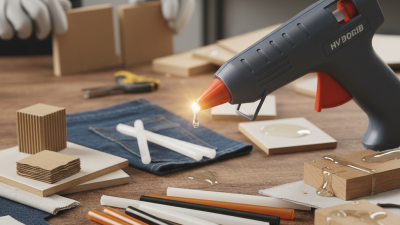
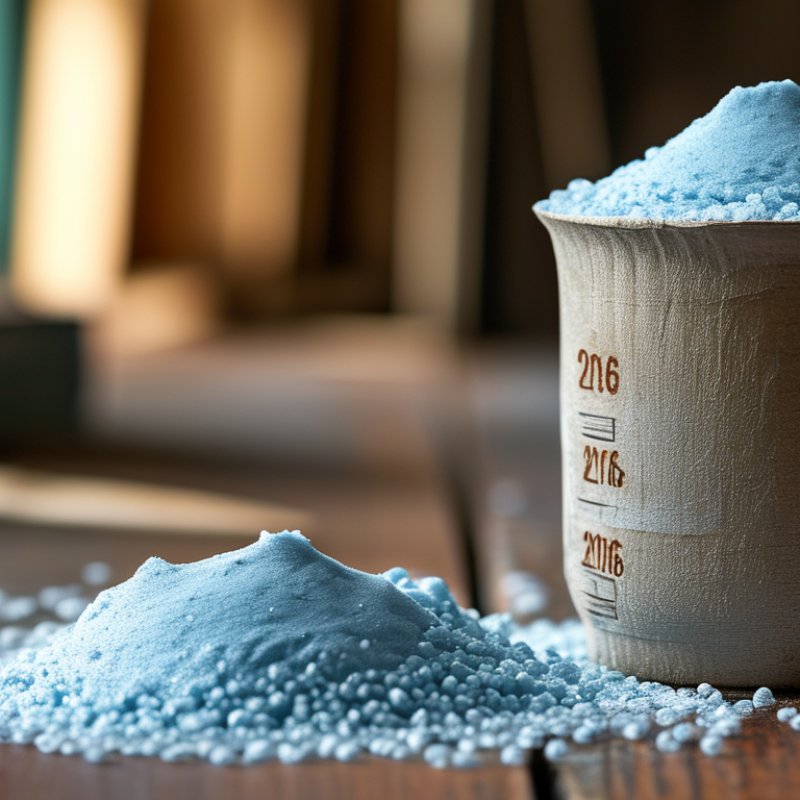
Hot melt adhesive pellets are versatile bonding solutions widely used in various industries. These pellets consist of thermoplastic polymers that become adhesive when heated. Once cooled, they create strong bonds on a variety of surfaces, including wood, metal, and plastic. The simplicity of using a glue gun or similar application tools makes them popular among both professionals and DIY enthusiasts.
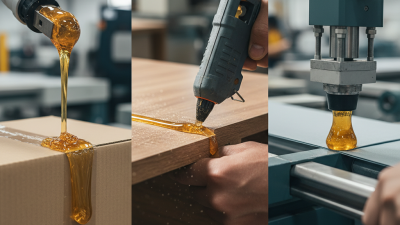
In recent years, the applications of hot melt adhesive pellets have expanded remarkably. They are now essential in packaging, woodworking, automotive, and electronics. In packaging, they provide quick assembly of boxes and secure seals. In woodworking, they often enhance the strength of joints. However, not every project is suited for hot melt adhesives. The choice of adhesive depends on specific material compatibility and temperature resistance.
While these pellets offer many advantages, considerations are necessary. Users often question their longevity and resistance under stress. Some projects may require alternative adhesives for stronger or more flexible bonds. Always evaluate the project's needs carefully before choosing the right adhesive solution. The effectiveness of hot melt adhesive pellets can vary based on the environment and application technique, prompting users to find the ideal conditions for optimal results.
Factors to Consider When Choosing Hot Melt Adhesive Pellets
When selecting hot melt adhesive pellets, several factors come into play. One key aspect is the temperature required for application. Some projects demand high-temperature adhesives to ensure a secure bond. Others might benefit from lower-temperature options, which are easier to work with and reduce the risk of damage to heat-sensitive materials. Always consider the nature of the materials you’re bonding.
Another critical factor is the adhesive's bond strength. Different projects require varying levels of adhesion. For instance, lightweight materials might only need a moderate bond, while heavier items require a stronger hold. Evaluate what you need and choose pellets accordingly. Also, be aware of how the adhesive will perform in different environments. Exposure to moisture, heat, or chemical substances can weaken bonds over time.
Lastly, consider the ease of use. Some pellets melt quickly, while others take time to reach the desired viscosity. Test your options to find the right balance between melt time and workability. Reflect on your previous projects and what worked or didn’t. Each choice can impact the final result, so take time to analyze your needs carefully.
Top Brands and Products for Hot Melt Adhesive Pellets in 2026
When choosing hot melt adhesive pellets for your projects in 2026, it’s essential to focus on quality and versatility. Many options are available, but not all deliver the performance you need. A few brands stand out for their consistent results and reliability. Look for manufacturers that emphasize their commitment to innovative materials. Their products often feature enhanced adhesion and clear finishes.
However, not every pellet works for all applications. Some may require specific temperatures or techniques. Experimenting with different formulations might be necessary to find what suits your needs best. Data on longevity and resistance to environmental factors should guide your selection process. It's helpful to read user reviews for insights into real-world performance.
While some options may seem appealing, their effectiveness can vary significantly. It’s crucial to test samples before fully committing to a brand. The right choice can save you time and resources, making your projects smoother. Balancing cost and functionality is often a complex task, but the right pellets will ultimately enhance your work's quality and durability.
Comparison of Hot Melt Adhesive Pellet Materials and Properties
Hot melt adhesive pellets come in various materials, each suited for different projects. These materials include ethylene-vinyl acetate (EVA), polyamide, and polyurethane. EVA is popular for its flexibility and ease of use. It's often chosen for crafts and light-duty applications. Polyamide offers a stronger bond, ideal for demanding projects. Its resistance to heat and moisture makes it a reliable choice for outdoor use.
When selecting hot melt adhesive pellets, consider the thermal properties. Some pellets remain stable under high temperatures, while others may degrade or lose their bonding strength. For instance, polyurethane is often praised for its durability and resilience. However, its application can be tricky due to precise temperature requirements. It's crucial to assess your needs, as picking the wrong type may result in project failure.
Understanding the adhesive's viscosity also matters. Higher viscosity pellets may require higher temperatures and specific application equipment. This can lead to challenges for those with limited experience. Although many options are available, the perfect choice may not exist for every situation. Experimentation might reveal better solutions tailored to your specific project needs. Each type of pellet offers unique benefits and challenges that can significantly impact your work.
Future Trends in Hot Melt Adhesive Technology and Innovations
In 2026, the hot melt adhesive industry is poised for significant advancements. Innovations in formulation will enhance the performance of adhesive pellets. Improved adhesion, faster curing times, and better durability are crucial. These developments promise more efficiency in various applications, from packaging to automotive.
Sustainability is a key trend. Many companies are exploring bio-based materials to reduce environmental impact. These eco-friendly adhesives will not only match the performance of traditional options but also cater to consumer demand for greener products. However, the challenge lies in balancing cost and performance.
Another area of focus is automation in application processes. Smart technologies will streamline the use of hot melt adhesives, increasing precision and reducing waste. Yet, as automation rises, training workers remains essential. The shift towards automated solutions may lead to skills gaps in the workforce. Identifying and addressing these gaps will be vital for companies moving forward.
 +86-15666836565

 CONTACT NUMBER