2026 How to Choose the Best Resin Glue Powder for Your Needs?
Choosing the right resin glue powder can be daunting. With so many options, it's crucial to find one that meets your specific needs. Expert John Smith, a leading figure in the adhesive industry, states, "The right resin glue powder can transform projects, ensuring durability and precision." His words underscore the importance of making an informed decision.
Resin glue powder offers versatility across various applications. It's used in woodworking, crafting, and repair work. Different types of resin glue powder cater to different materials and settings. This makes it vital to consider the end use before purchasing.
Sometimes, users overlook specific requirements, leading to frustration. For instance, temperature variations can affect adhesion. Not all resin glue powders perform well under extreme conditions. Testing samples could help avoid costly mistakes. Ultimately, selecting the best resin glue powder should align with your project goals, ensuring both efficiency and effectiveness.

Understanding the Different Types of Resin Glue Powders Available
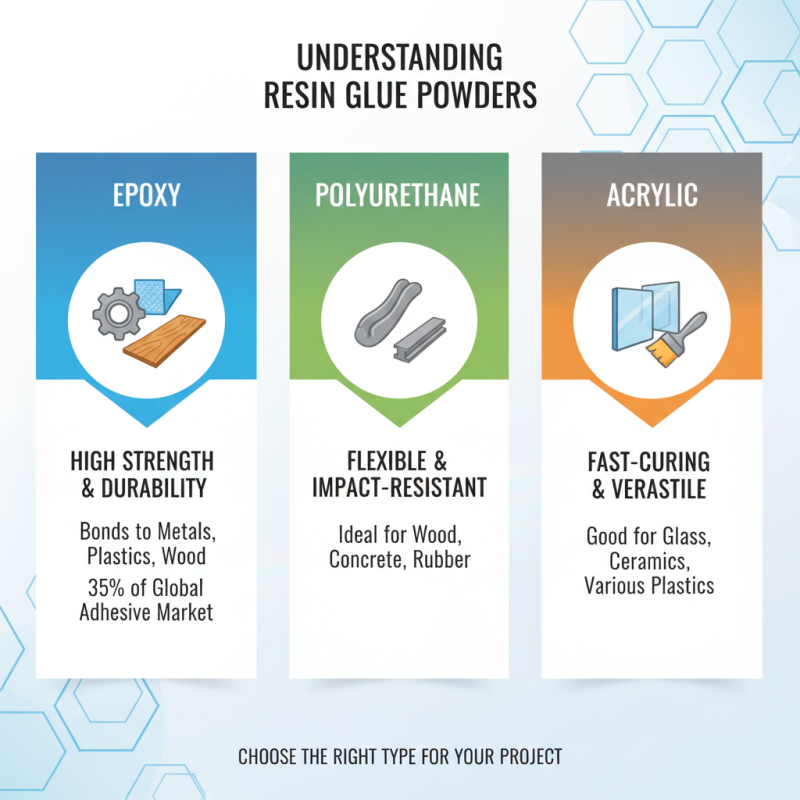
When choosing resin glue powders, understanding the types available is crucial. There are primarily three categories: epoxy, polyurethane, and acrylic. Epoxy resin glue offers high strength and durability. A recent industry report indicates that epoxy adhesives account for about 35% of the global adhesive market, indicating their popularity and reliability in various applications. They bond well to metals, plastics, and wood.
Polyurethane glues, on the other hand, are known for their flexibility and water resistance. This makes them ideal for outdoor projects. In contrast, acrylic glues cure quickly, offering good bonding strength without the need for heat. Their faster setting time can be advantageous in high-volume production environments.
While many users appreciate these benefits, there are drawbacks. Epoxy can be difficult to work with, requiring precise mixing ratios. Polyurethane might expand during curing, which can be problematic. Acrylic glue may not perform as well in extreme temperatures. Evaluating your project’s specific needs is essential for choosing the right resin glue powder. Balance the pros and cons to maximize your results.
Key Factors to Consider When Choosing Resin Glue Powder
When selecting resin glue powder, there are several key factors to consider. Different projects require different types of adhesive strength. For instance, if you're working on a lightweight craft, you might not need an ultra-strong resin. Conversely, structural applications demand a more robust formulation. Remember, the right bond strength is essential for durability.
Consider the curing time as well. Some resins cure quickly, which is beneficial for fast-paced projects. Others allow for longer working times, great for intricate work. Be mindful that faster curing may lead to mistakes if not managed carefully. Your comfort level with the material plays a role, too.
The temperature and humidity conditions during application can also impact your choice. If you work in variable environments, ensure the resin you pick can handle these changes. Lastly, check the mixing ratio; some resins require precise measurements for optimal results. Consider experimenting with small batches to gauge performance. This trial-and-error approach may lead you to discover what works best for your unique needs.
Evaluating the Bonding Strength of Resin Glue Powders
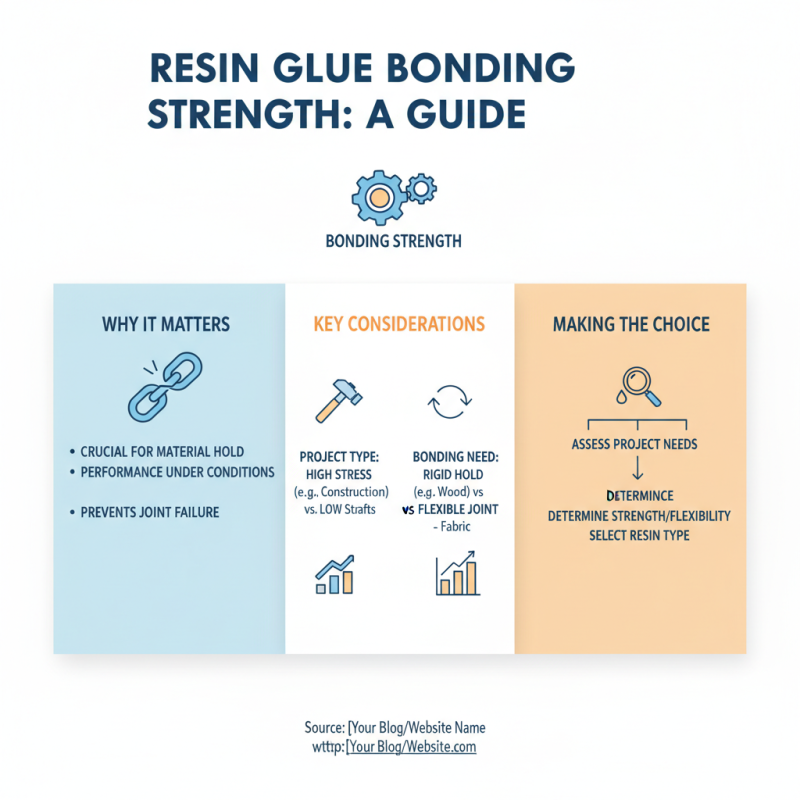
When selecting resin glue powders, understanding the bonding strength is crucial. This measure determines how effectively the glue can hold materials together under various conditions. For instance, certain projects require a stronger bond, while others may need flexibility. Assessing these needs is essential prior to making a choice.
Different types of resin glue powders exhibit varying strengths. Some may bond quickly but lack durability over time. Others offer lasting strength but can take longer to cure. It’s important to test the glue on the actual materials used. A simple test can reveal how well it adheres. Remember, not every adhesive will perform the same in every application.
Evaluating performance can be a trial-and-error process. Some users find that environmental factors impact bond strength. Humidity, temperature, and surface preparation can change outcomes. Documenting these experiences will help you understand what works for your future projects. It might take time to find the right solution. That’s part of the learning curve in working with resin glue powders.
Assessing the Cure Time and Application Process of Resin Glue
When selecting resin glue powder, understanding the
cure time is crucial. The cure time varies based on environmental factors.
Temperature and humidity can drastically affect how quickly the glue sets.
For example, in a warm, dry environment, resin glue may cure much faster. This accelerated process might surprise
users who are accustomed to longer curing times in cooler settings.
The application process is equally important. Proper mixing is key to achieving the ideal consistency.
Users should carefully follow mixing ratios. If the glue is too thick, it may not spread evenly.
Conversely, if too thin, it may not provide adequate bonding strength.
Attention to detail is essential. Don’t rush; allow the mixed resin glue to rest briefly
before applying it. Mistakes can lead to subpar results.
Every project is different. Some may find that their resin glue doesn't perform as expected after application.
This often stems from inadequate preparation. Users must assess their working conditions and adjust accordingly.
Experimentation plays a role in optimizing the use of resin glue.
Embrace the learning curve; it can lead to improved outcomes in future projects.
Tips for Proper Storage and Handling of Resin Glue Powders
Proper storage and handling of resin glue powders are key elements in maintaining their effectiveness. Industry reports suggest that improper storage can lead to significant degradation. Resin glues should ideally be stored in a cool, dry environment. The recommended temperature range is between 15°C to 25°C. Exposure to high humidity can compromise the glue's bonding capabilities. Moisture can cause clumping, making the powder difficult to work with.
Handling these materials requires attention to detail. Always use gloves when measuring resin powder to avoid contamination. Even small amounts of contaminants can alter the adhesive properties. It's important to tightly seal containers after use. This prevents moisture ingress and preserves the powder's quality. Manufacturers have reported that, when properly stored, resin glue powders can maintain their optimal performance for up to two years.
Moreover, be aware that recycling or reusing opened containers may not always be safe. Transferring powders from their original packaging can expose them to variables affecting their integrity. Regular checks for changes in texture or color can help identify quality degradation. Awareness and diligence can significantly impact the longevity and usability of resin glue powders.
2026 Resin Glue Powder Strength Comparison
 +86-15666836565

 CONTACT NUMBER