How to Use Polyvinyl Acetate Glue for Strong and Lasting Bonds?
Polyvinyl Acetate Glue (PVA) is a favorite among craftsmen and DIY enthusiasts for its strong and lasting bonds. According to Dr. Maria Johnson, a well-known adhesive expert, “Polyvinyl Acetate Glue provides unmatched versatility and reliability in bonding various materials.” Used in woodworking, paper crafts, and more, this glue is essential in many projects.
When applying PVA glue, preparation is key. Surfaces must be clean and dry for optimal adhesion. Dr. Johnson emphasizes, “If surfaces are not prepped correctly, even the best glue will fail.” It's vital to take time in this stage, as a poor bond can lead to frustrations later on. Common issues arise if the application is rushed or surfaces are improperly aligned.
Understanding the properties of Polyvinyl Acetate Glue can help in achieving the best results. Keep in mind that it takes time to cure completely. It’s easy to underestimate this step, but patience is essential for a strong hold. Remember that the bonding process may have its flaws, requiring adjustments along the way. Ultimately, mastering the use of PVA glue can elevate your crafting game.
Understanding Polyvinyl Acetate (PVA) Glue and Its Properties
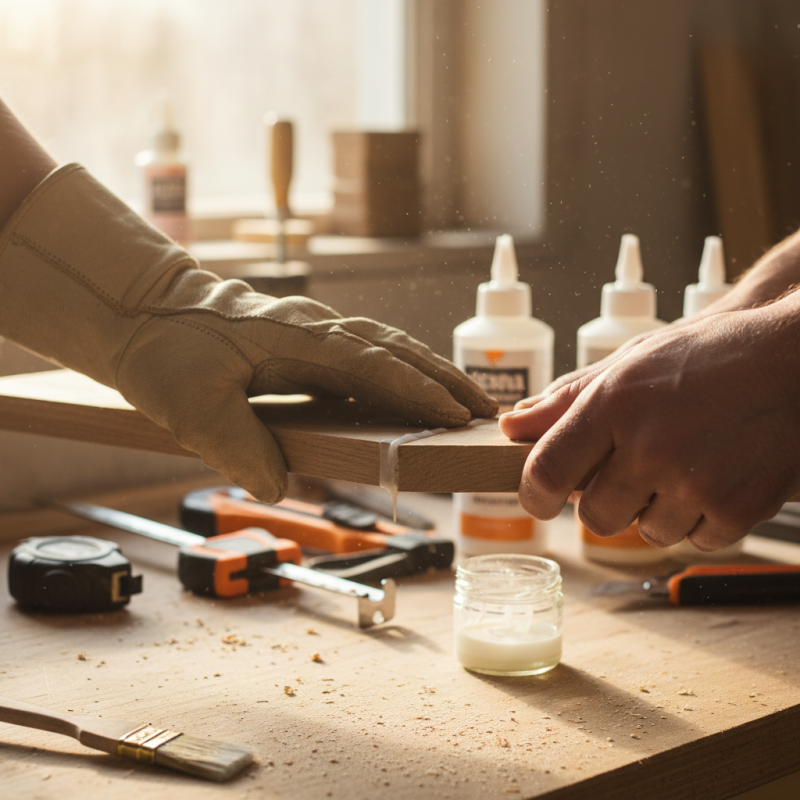
Polyvinyl Acetate (PVA) glue is a versatile adhesive known for its strong and lasting bonds. Its water-based formula makes it easy to apply and clean up. PVA glue dries clear, making it ideal for various projects, from woodworking to crafting. It works effectively on porous materials like paper, wood, and fabric. This versatility has earned it a favored spot in many workshops.
The adhesive properties of PVA glue stem from its ability to form a flexible bond. When it dries, it creates a resilient hold that resists water to some extent. However, excessive moisture can weaken this bond. It’s important to consider the environment when using this glue. Users should allow the glue enough time to cure fully. Rushing this process can lead to disappointing results. Observing the recommended drying times can make a difference in durability.
One common mistake is applying too much glue, which can lead to mess and ineffective adhesion. A thin, even layer often yields the best results. Keep in mind that surfaces should be clean and free of dust. Uneven application may diminish the bond's effectiveness. By understanding these properties and challenges, users can harness PVA glue’s full potential for their projects.
Key Applications of Polyvinyl Acetate Glue in Various Industries
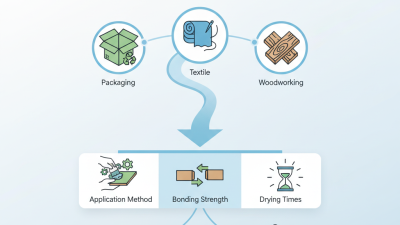
Polyvinyl acetate glue, commonly known as PVA glue, is essential in various industries. Its versatility makes it a popular choice for woodworking, paper crafting, and textiles. In woodworking, PVA glue forms strong bonds, making it ideal for furniture and cabinetry. It dries clear and can be sanded down after curing, which is crucial for a smooth finish.
In the paper industry, PVA glue is often used in bookbinding and crafting. It provides a flexible bond that can withstand bending and folding. Artists and crafters enjoy its quick-drying properties, allowing them to work efficiently. However, it's important for users to note that excessive moisture or heat can weaken the bond.
The textile industry also benefits from PVA glue, especially in creating non-woven fabrics. This application shows its adaptability but requires careful application to avoid stiffness. Users often find that a layered approach works best to maximize durability. Keeping experimenting with formulations can lead to more robust results.
How to Use Polyvinyl Acetate Glue for Strong and Lasting Bonds? - Key Applications of Polyvinyl Acetate Glue in Various Industries
| Industry |
Application |
Properties |
Benefits |
| Woodworking |
Furniture Assembly |
Strong bond, easy to sand |
Non-toxic, good clarity |
| Arts & Crafts |
Paper Projects |
Fast drying, flexible |
Easy cleanup, versatile |
| Construction |
Panel Bonding |
Water-resistant, durable |
Cost-effective, fast-setting |
| Textile |
Fabric Bonding |
Soft hand feel, washable |
Non-destructive, easy to apply |
| Packaging |
Box Assembly |
Strong initial tack |
Lightweight, quick adhesion |
Step-by-Step Guide to Preparing Surfaces for PVA Adhesive Application
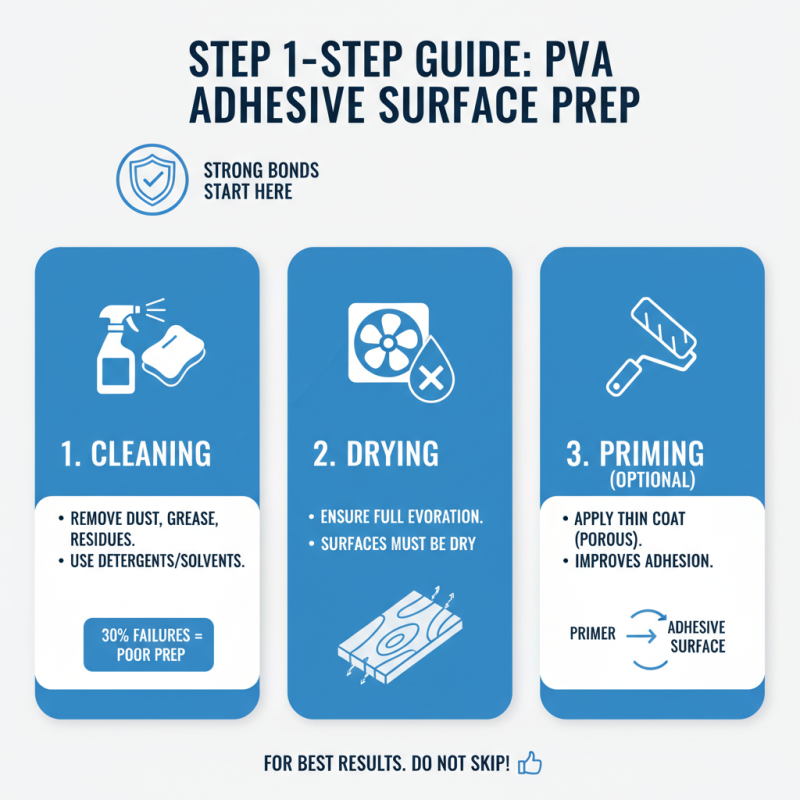
Preparing surfaces for Polyvinyl Acetate (PVA) adhesive application is crucial for achieving a strong bond. Studies indicate that nearly 30% of adhesive failures are linked to improper surface preparation. Begin by cleaning the surfaces to remove dust, grease, and residues. Use appropriate solvents or mild detergents to ensure a clean area. This step is often overlooked but is vital for adhesion.
Next, consider the texture of the surfaces. For porous materials, such as wood, it’s important to sand the area lightly. This increases the surface area for bonding. A finer grit paper can create a smoother surface, which might seem counterintuitive. However, a smoother bond line can actually enhance the aesthetic of the final product.
Humidity and temperature can also affect PVA bonding performance. Ideal conditions are around 50-70% humidity and temperatures between 60-80°F. If working in extreme environments, be mindful of the impact on drying times and bond strength. This complexity can lead to mistakes if conditions are not properly assessed. In some cases, the bond may not cure as expected, highlighting the need for careful environmental considerations during application.
Techniques for Achieving Strong Bonds with Polyvinyl Acetate Glue
Polyvinyl Acetate (PVA) glue is a versatile adhesive widely used in woodworking, crafts, and household repairs. To achieve strong and lasting bonds, several techniques can enhance its effectiveness. First, preparing the surfaces is crucial. Clean and dry surfaces allow the adhesive to penetrate better, leading to stronger adhesion. Studies show that proper surface preparation can increase bond strength by up to 50%.
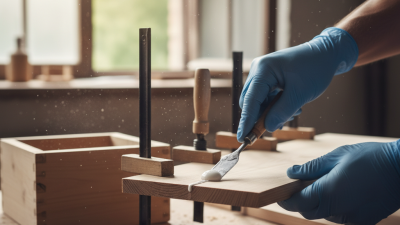
Another technique is applying the right amount of glue. Too much glue can create a weak bond. Too little may not bond at all. Aim for a thin, even layer for optimal results. It’s important to clamp the pieces together while the glue cures. The recommended clamping time ranges from 30 minutes to several hours, depending on environmental conditions. This holds the pieces firmly and allows the adhesive to set properly.
Temperature and humidity also impact bond strength. Ideal conditions are around 70°F (21°C) with moderate humidity. Extreme heat or moisture can weaken the bond. Despite these precautions, some users may still face challenges. Experimenting with different techniques and conditions can lead to better performance. There is always room for improvement in adhesive use. Finding the right combination can be a process of trial and error, and that’s perfectly acceptable in the pursuit of strong bonds.
Bond Strength Comparison of Polyvinyl Acetate Glue
Best Practices for Curing and Storing PVA Adhesives for Longevity
When it comes to using polyvinyl acetate (PVA) glue, proper curing and storage are crucial for ensuring its longevity. PVA adhesives need to dry in a controlled environment. High humidity can extend cure times. Ensure the application area maintains moderate temperature and low humidity for optimal results. Once applied, allow sufficient time for the adhesive to bond fully. This patience can make a difference in the strength of the bond.
Storage is another key factor impacting the adhesive's effectiveness. Keep PVA glue in a cool, dry place, away from direct sunlight. A tightly sealed container prevents moisture absorption, which can compromise the adhesive. Regularly check the consistency of the glue. If it appears thick or lumpy, it may not perform well. Consider these factors to avoid disappointing results in your projects.
Sometimes, despite following best practices, bonds may fail. Factors like surface preparation and ambient conditions play a role. Learning from these missteps is a part of the process. Experimenting with different environments can provide a deeper understanding of the adhesive's properties. This hands-on experience can lead to more successful projects in the future.
 +86-15666836565
 CONTACT NUMBER