Leave Your Message

How to Choose the Best China Urea Formaldehyde Adhesive?

Choosing the best Urea Formaldehyde Adhesive requires more than comparing prices or solid content. The right product must match the wood species, panel structure, pressing temperature, and factory conditions. Dr. Charles R. Frihart, a respected wood-adhesives researcher, states, “Adhesives are a critical component of wood composite products.” That simple point deserves serious attention.

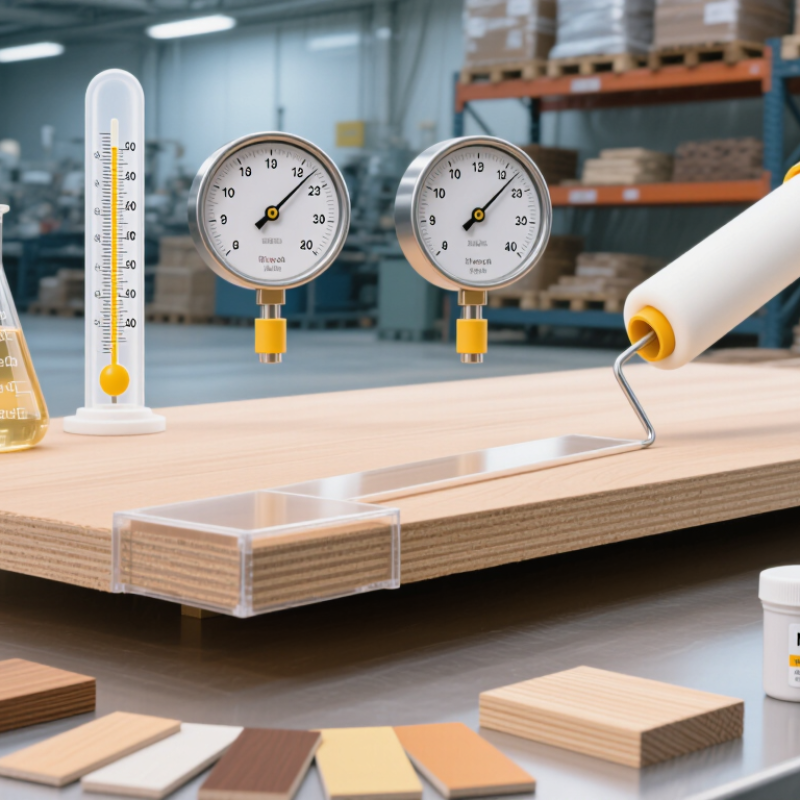
A practical evaluation begins with viscosity and curing speed. A resin that flows too easily may starve the joint. One that is too thick can create uneven spreading and dry spots. Check bond strength after pressing, not only before production. Examine moisture resistance, formaldehyde emissions, storage stability, and compatibility with fillers or hardeners. Small details matter. A cold workshop can change curing behavior. A worn glue roller can distort application rates.

Supplier experience also matters. Ask for technical data, batch records, application guidance, and test results from comparable panels. Reliable manufacturers should explain their quality controls clearly. They should not hide behind impressive certificates.

Still, “best” is not absolute. A resin performing well in plywood may disappoint in particleboard. I would not trust a selection based on one laboratory test alone. Production trials are essential, even when the paperwork looks perfect. Measure spread rate, press time, panel swelling, and bond failure patterns. Record the results carefully.

This guide will examine performance, safety, cost, and supplier reliability. It will also question common assumptions about Urea Formaldehyde Adhesive selection. The strongest decision is usually balanced, evidence-based, and slightly cautious.
How to Choose the Best China Urea Formaldehyde Adhesive?

Understanding China Urea Formaldehyde Adhesive and Its Main Applications

Urea formaldehyde adhesive is a thermosetting resin widely used in engineered wood production.

It bonds wood particles, fibers, and thin veneers under heat and pressure. Its low cost and fast curing make it practical for furniture panels, medium-density fiberboard, particleboard, and interior plywood. It performs best in controlled indoor conditions, where moisture exposure remains limited.

Choosing the right adhesive requires more than comparing prices. Check viscosity, curing temperature, gel time, solid content, and formaldehyde emission data.

A panel factory may need quick curing, while a furniture workshop may value longer open time. Storage conditions also matter. Excessive heat can change the resin before application.

Always review the technical data sheet and request a recent quality report.

In practical production, mixing accuracy strongly affects bond strength. Too little hardener may leave weak joints. Too much can shorten working time and create uneven curing. Small test panels reveal problems early.

Measure bond performance after pressing and conditioning, not immediately after production. UF adhesive is not ideal for damp rooms or outdoor products. This limitation is easy to overlook.

I would also question impressive laboratory results if they lack testing under the factory’s actual temperature, wood species, and pressing schedule.

Defining Performance Requirements for Your Adhesive Project

Choosing a China urea formaldehyde adhesive starts with defining the project’s performance requirements, not comparing prices. The panel type, wood moisture, press temperature, curing time, and expected service environment should be recorded. FAO’s Global Forest Products Facts and Figures 2023 reports more than 370 million cubic meters of wood-based panels produced globally in 2022. That scale demands repeatable adhesive performance.

Bond strength is only one checkpoint. Specify dry strength, wet strength, viscosity, gel time, storage stability, and formaldehyde release before trials begin. For indoor panels, the WHO Guidelines for Indoor Air Quality set a formaldehyde guideline of 0.1 mg/m³ over 30 minutes. Your adhesive formulation should support testing under applicable Chinese standards, including GB/T 17657 methods. Check emissions after curing, not only during laboratory mixing. Small differences matter.

Press conditions can expose weak assumptions. A resin that cures well at 120°C may underperform when the core is colder or wetter. Production trials should measure board density, glue spread, pressing time, and failure mode. Experienced technicians also test aged samples, because early bond strength can look acceptable. Sometimes it is not. Allowing a practical safety margin is wise, although excessive resin may increase cost and emissions. Review results against the project’s target class, substrate, and end-use conditions before approving regular supply.

Comparing Resin Quality, Formaldehyde Emissions, and Safety Standards

How to Choose the Best China Urea Formaldehyde Adhesive?

Resin quality starts with consistent raw materials and controlled production. Check solids content, viscosity, pH, gel time, and curing temperature. These figures affect application speed and bond strength. A reliable supplier should provide recent batch records, not only a standard brochure. Ask for plywood or particleboard test samples. Inspect the bond line after pressing. It should look even, firm, and free from obvious cracking.

Formaldehyde emissions require closer attention. Request chamber-test results for the finished panel, not just the liquid adhesive. In China, GB/T 39600 classifications can help compare E1, E0, and ENF performance. However, test conditions matter. Laboratory results may not represent every factory’s pressing cycle. Check the laboratory’s ISO/IEC 17025 accreditation and confirm the report number. A low emission figure alone can mislead.

Safety review should include the SDS, worker protection guidance, storage limits, and ventilation requirements. Compare results with applicable export standards, such as EN 13986 or relevant ASTM methods. Do not accept vague claims like “eco-friendly” without measurable evidence. In practical purchasing, small details often expose larger risks. I would also retest each major batch. That adds cost, but skipping it may create greater problems. No test is perfect. Yet transparent records make decisions more dependable.

Evaluating Suppliers, Production Capacity, and Technical Support

How to Choose the Best China Urea Formaldehyde Adhesive?

Supplier evaluation should begin with evidence, not attractive pricing. FAO’s Global Forest Products Facts and Figures 2023 reports global wood-based panel production at about 400 million cubic metres in 2022. This scale creates steady demand for consistent adhesive performance. Ask suppliers for recent batch records, resin specifications, viscosity data, curing conditions, and formaldehyde-emission test results. A factory tour can reveal practical details, including storage temperature, drum labeling, laboratory equipment, and quality-control procedures.

Production capacity must match your purchasing schedule. Request monthly output, peak-season capacity, minimum order quantities, and lead times. Separate resin capacity from finished-adhesive capacity. They are not identical. Verify whether the supplier operates its own reactors or relies heavily on subcontractors. Independent testing against relevant standards, such as EN 717-1 or ASTM D6007, can support emission assessments. The U.S. EPA TSCA Title VI limits formaldehyde emissions to 0.05 ppm for hardwood plywood, 0.09 ppm for particleboard, and 0.11 ppm for MDF. Your target market may require different thresholds.

Technical support often determines whether a formula performs well on the production line. Strong suppliers provide mixing guidance, curing-temperature recommendations, troubleshooting records, and trained engineers. Ask how quickly they respond to viscosity changes or poor bonding during humid weather. Trial results matter more than promises. A supplier may offer impressive capacity but weak application support. That remains a risk. I would also document every trial, because memory becomes unreliable after several batches. The best choice is not always the cheapest quotation; it is the supplier that can repeatedly deliver stable quality, traceable data, and usable technical assistance.

How to Choose the Best China Urea Formaldehyde Adhesive?

A practical supplier evaluation model based on product consistency, compliance, production capacity, technical support, and delivery reliability.

The weighting model prioritizes stable bonding performance and formaldehyde compliance, while also considering whether a supplier can provide reliable volume production, application guidance, and consistent delivery. Use these criteria as a starting point and adjust the weights according to your project requirements.

Checking Pricing, Customization, Delivery, and Long-Term Reliability

Choosing China urea formaldehyde adhesive requires more than comparing the lowest quoted price. The World Bank Commodity Markets Pink Sheet shows that urea prices can change sharply with energy and fertilizer-market conditions. Ask suppliers to separate resin price, packaging, inland transport, and export freight. Compare landed cost per usable kilogram, not only the factory quote. A cheap drum may hide higher water content, waste, or short shelf life. Request recent test data for viscosity, solids content, gel time, and formaldehyde emissions.

Customization should match your production line. Panel manufacturers may need different curing speeds, press temperatures, or moisture tolerance. The FAO Forestry Statistics database reported global wood-based panel production near 400 million cubic meters in 2022, creating strong demand for stable adhesive supply. Still, larger volume does not guarantee better service. Check whether the supplier can adjust viscosity within a written range and provide consistent batch records. Small trials matter. Laboratory results can disappoint on a fast production line.

Delivery reliability deserves equal attention. Review lead times, minimum order quantities, port options, and backup raw-material plans. Request shipment history for the previous six to twelve months. Ask how delays are communicated. Vague answers are warning signs. Long-term reliability also depends on technical support after delivery, including storage guidance and failure analysis. EN 717-1 emission testing and applicable local standards should be verified independently. I would not trust one impressive certificate. Recheck performance after several batches, because consistency is often the overlooked cost.