How to Choose the Right Edge Banding Adhesive for Your Projects?
Choosing the right Edge Banding Adhesive is crucial for achieving a professional finish in woodworking projects. With the global market for edge banding adhesives projected to reach $1.56 billion by 2025, the demand for quality and performance is rising. Various options exist, each with unique properties and application methods.
A recent industry report highlighted that nearly 70% of woodworkers prioritize adhesion strength and durability when selecting an adhesive. However, not all adhesives are created equal. Common choices include PVA, hot melt, and polyurethane, each suited for specific environments and materials. Furthermore, the choice of adhesive can significantly affect the longevity and appearance of finished products.
Despite the abundance of options, misinformation and misunderstanding about properties remain prevalent. Woodworkers often choose based on convenience rather than suitability. This underscores the importance of understanding the application requirements and the performance characteristics of different Edge Banding Adhesives. Being informed can prevent costly mistakes and ensure a reliable bond that stands the test of time.
Identifying the Different Types of Edge Banding Adhesives
Selecting the right edge banding adhesive can significantly impact the durability and appearance of your project. There are several types of adhesives available, each with unique properties. Hot melt adhesives are popular in the woodworking industry for their fast application and strong bond. According to a report from the Woodworking Machinery Industry Association, over 45% of manufacturers prefer hot melts for their efficiency.
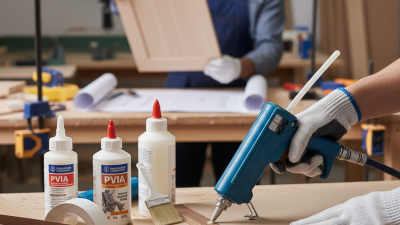
PVA (polyvinyl acetate) adhesives are another common choice. They offer excellent resistance to moisture and are favored for interior projects. However, they may not be suitable for high-stress applications or outdoor use. A study by the Adhesive and Sealant Council indicates that PVA usage has been increasing, with a reported 25% growth in the last five years.
Tip: Consider the specific environmental conditions your project will face. If moisture exposure is expected, PVA may be the better choice.
Another option is solvent-based adhesives. They bond well and can withstand heavy loads. However, they require careful handling due to their volatile organic compounds (VOCs). The environmental impact of VOCs has raised concerns, leading to stricter regulations. Keep this in mind when selecting your adhesive.
Tip: Always ensure proper ventilation when using solvent-based products. This small step can prevent health risks.
Taking time to differentiate these adhesives will help you choose the right one for your tasks. Evaluate your needs carefully for the best outcome.
How to Choose the Right Edge Banding Adhesive for Your Projects? - Identifying the Different Types of Edge Banding Adhesives
| Adhesive Type |
Application Method |
Setting Time |
Suitable Materials |
Strength |
| Hot Melt Adhesive |
Glue Gun |
Immediate |
Wood, PVC |
Medium |
| PVA Adhesive |
Brush or Roller |
30-60 minutes |
Wood, Particleboard |
High |
| Contact Adhesive |
Brush or Spray |
Permanent when set |
Laminate, Veneer |
Very High |
| Epoxy Adhesive |
Mixing Required |
2-24 hours |
Metal, Wood, Plastic |
Extremely High |
| PUR Adhesive |
Glue Gun |
1-2 hours |
Wood, Melamine |
Very High |
Understanding the Applications for Various Adhesive Types
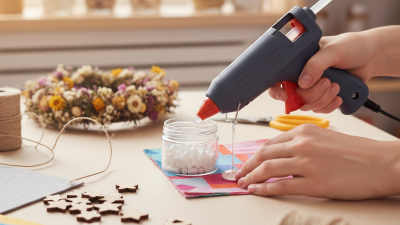
Choosing the right edge banding adhesive is crucial for the longevity and appearance of your projects. Different adhesive types cater to specific applications. For instance, hot melt adhesives are popular for their quick setting time. They bond well with various materials and are great for high-volume production. However, their heat sensitivity can be a drawback in certain environments.
On the other hand, PVA (polyvinyl acetate) adhesives offer a strong bond, particularly for wood surfaces. They have excellent moisture resistance, making them ideal for kitchen and bathroom furniture. Yet, they require clamping time, which can extend project timelines. Understanding these nuances is essential.
Some experience creates a learning curve. You may discover that an adhesive you initially preferred doesn't perform well in humidity. Reflecting on previous projects helps you make informed decisions. Each type of adhesive has its pros and cons, so experimenting can lead to unexpected results. Ensure to consider your project's specific needs while choosing the right adhesive.
Evaluating Adhesive Properties: Strength, Flexibility, and Heat Resistance
Choosing the right edge banding adhesive is vital for the success of woodworking projects. When evaluating adhesive properties, consider three key factors: strength, flexibility, and heat resistance. These properties significantly affect the durability and performance of the edge banding.
Strength is crucial for ensuring the bond will withstand wear and tear. A 2022 report by the Woodworking Machinery Industry Association states that adhesives with tensile strengths above 2000 psi offer excellent durability. Flexible adhesives can absorb impacts without cracking, making them ideal for applications where movement occurs. Less flexible adhesives may crack over time, leading to failures.
Heat resistance is another important attribute. In environments with fluctuating temperatures, using adhesives that can withstand heat up to 150°F is beneficial. This property prevents delamination and preserves aesthetics. Make sure to review product specifications for relevant heat resistance data.
Tip: Always test a small sample in your specific conditions. This can save you from costly mistakes. Also, consider mixing two types of adhesives for improved properties.
Ultimately, understanding these adhesive properties can elevate your project quality. Engaging with forums and professional workshops can provide additional insights and help in refining your adhesive selection process.
Evaluating Adhesive Properties for Edge Banding
Considering Environmental and Safety Factors in Adhesive Selection
When selecting edge banding adhesives, environmental and safety factors are paramount. Many adhesives contain volatile organic compounds (VOCs), which release harmful emissions. Choosing low-VOC options protects your health and the environment. Consider using
water-based adhesives, which are often safer and more eco-friendly. They provide good bonding without the harmful fumes.
Tips: Always check the manufacturer's safety data sheet. This document provides essential information on handling and disposal. It's crucial for maintaining a safe workspace. If unsure, consult a professional for advice on adhesive selection. Look for certification labels that confirm environmental standards.
Evaluate the odor of the adhesive. Strong odors may indicate harmful chemicals. Opt for products with minimal or no odor. This can enhance comfort during application and reduce risks associated with inhaling toxic fumes. Be aware of your workspace ventilation. Proper airflow minimizes exposure to any harmful substances during bonding. These small steps can significantly impact both safety and project outcomes.
Tips for Application Techniques and Best Practices for Edge Banding
When it comes to edge banding, mastery of application techniques is crucial. A perfect bond begins with surface preparation. Ensure the edges are clean and free of dust. Sanding the edges lightly can also help the adhesive bond better. This step should not be overlooked, as poor surface conditions can lead to failures.
Utilizing the right adhesive is essential. Depending on the material you're working with, the adhesive's viscosity and drying time can vary. For a seamless finish, applying the adhesive evenly is key. A roller can be quite effective for spreading. Be mindful of using too much, as excess can squeeze out during pressing, creating a mess.
Time management is another area for improvement. Working too slowly can allow adhesive to dry before application. Conversely, rushing may lead to improper positioning of the banding. Double-check the alignment of the banding, as misalignment is common. Take a moment to reflect on your technique after each project. This reflection can reveal areas needing improvement and will enhance your skills over time. Embrace the learning process as part of your journey in edge banding.
 +86-15666836565

 CONTACT NUMBER