How to Choose the Right Pur Adhesive for Your Project?
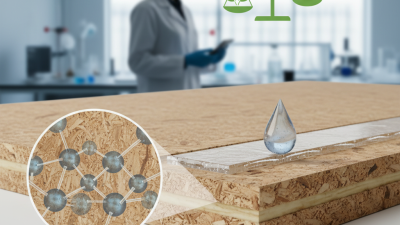
Choosing the right Pur Adhesive for your project can greatly impact the results. According to industry expert Dr. Emily Roberts, “Selecting the correct adhesive means the difference between success and failure.” This highlights the importance of understanding the specific needs of your project.
Pur Adhesives are versatile and known for their strong bonding capabilities. They are ideal for various applications, from woodworking to automotive uses. However, not all Pur Adhesives are created equal. Each type serves different purposes and has unique properties. Therefore, making an informed choice is critical.
Consider factors such as the materials you are bonding, the environmental conditions, and the required strength. Each detail matters when it comes to selection. Mistakes can lead to joint failures or damage, often costing more in the long run. So, take the time to understand the options available to ensure you choose the right Pur Adhesive for your needs.
Understanding PUR Adhesives: Basics and Applications
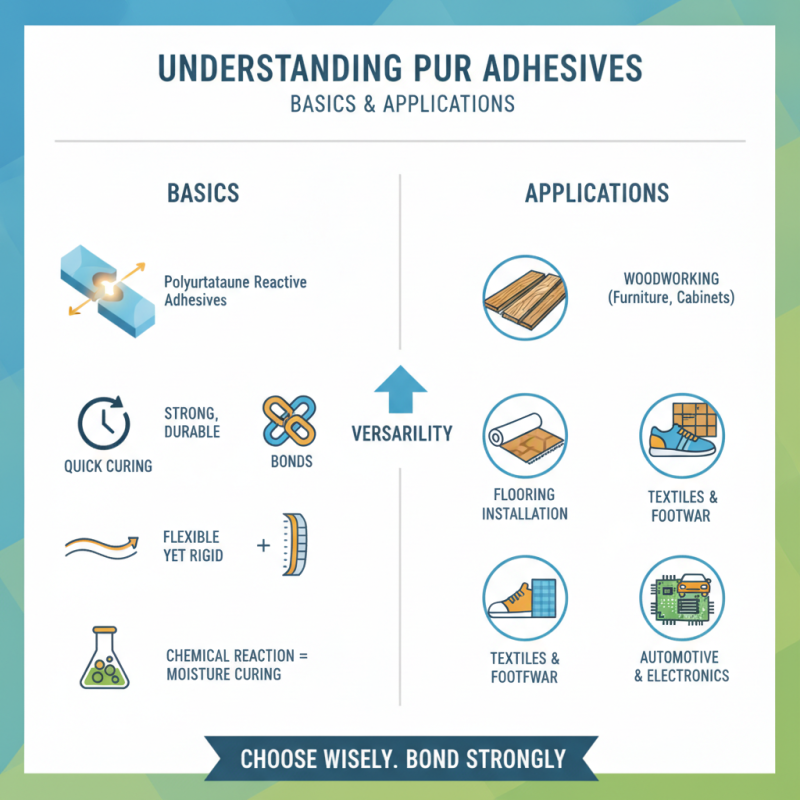
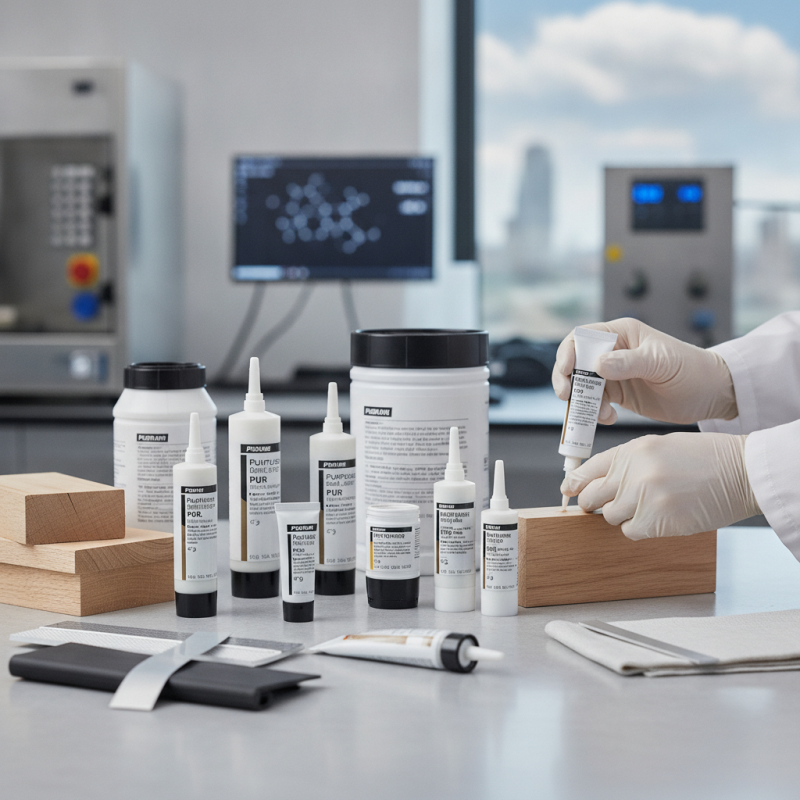
PUR adhesives, or polyurethane reactive adhesives, offer a unique blend of flexibility and strength. These adhesives cure quickly and form durable bonds, which make them suitable for various applications, from woodworking to flooring. Understanding the chemistry behind PUR adhesives can help in choosing the right product for your project.
The versatility of PUR adhesives stems from their ability to bond various materials, including wood, metal, and plastics. Their moisture-curing properties allow for robust performance in different environments. This characteristic can also be a double-edged sword. The curing process may be affected by temperature and humidity, resulting in inconsistencies if not monitored.
When applying PUR adhesives, surface preparation is crucial. The surfaces should be clean and dry for optimal adhesion. However, achieving perfect preparation can sometimes be challenging. Dust, grease, or moisture can interfere with the adhesive bond. Awareness of these factors can enhance the outcome of your project. Knowing how to address potential challenges is essential for successful adhesion.
Types of PUR Adhesives and Their Specific Uses
Polyurethane Reactive (PUR) adhesives offer diverse options for various applications. Understanding their types and specific uses is crucial for effective implementation. For instance, hot melt PUR adhesives are popular in woodworking and packaging industries. They provide strong, flexible bonds and are ideal for porous materials. Studies indicate that these adhesives can increase adhesion strength by up to 30% compared to traditional methods.
Another variant, 1-component PUR adhesives, is used predominantly in construction and automotive sectors. They cure upon exposure to moisture and offer robust bonding capabilities. Reports show that these adhesives can withstand significant temperature fluctuations without losing integrity. However, they require careful handling to ensure optimal performance. Users sometimes overlook the importance of surface preparation, which can greatly affect bond strength.
Lastly, 2-component PUR adhesives are commonly utilized in high-performance applications. They are known for their ability to bond dissimilar materials, which is essential in composites. Data suggests that when properly mixed, these adhesives can provide shear strengths exceeding 2,000 psi. However, users must invest time in understanding mixing ratios, as improper ratios can lead to failures. The complexity involved in selecting the right type underscores the need for deeper industry knowledge.
Types of PUR Adhesives and Their Common Applications
Key Factors to Consider When Choosing a PUR Adhesive
When selecting a PUR adhesive, consider the project’s unique requirements. The type of materials involved can heavily influence your choice.
Different substrates like wood, metal, or plastic require specific adhesion properties. Testing a small sample can help determine compatibility and bond strength.
Another critical factor is the environmental conditions during application. Temperature and humidity can affect curing time and performance. Some adhesives are designed for high-moisture environments, while others perform better in dry conditions. Assessing these elements is vital for ensuring long-lasting adhesion.
Finally, think about the intended use of the bonded materials. Will they face stress, heat, or chemicals? Some PUR adhesives offer superior resistance in demanding applications.
It’s important to balance performance with the ease of application. Reflecting on your project's demands can help achieve the best results.
Even seasoned professionals sometimes find themselves questioning their choices, emphasizing the importance of thorough research and testing.
Evaluating Performance Characteristics of PUR Adhesives
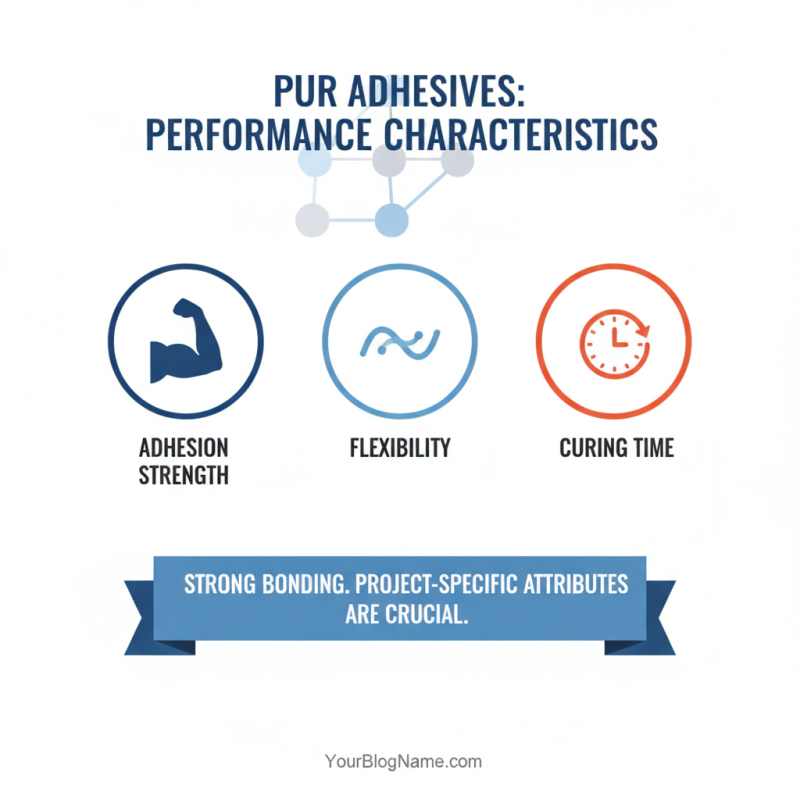
When selecting the right PUR adhesive for your project, evaluating performance characteristics is crucial. PUR adhesives are known for their strong bonding capabilities. However, each project requires specific attributes. Consider factors like adhesion strength, flexibility, and curing time. These characteristics will affect the performance of the adhesive in different applications.
Another important aspect is the environmental resistance of the adhesive. Some PUR adhesives withstand moisture, heat, and other harsh conditions better than others. Analyze the conditions your project will face. For example, outdoor applications need adhesives resistant to UV exposure and temperature fluctuations. Choose accordingly to ensure durability.
Additionally, pay attention to the ease of application. Some adhesives may require specialized tools or techniques, which can impact efficiency. Think about your experience level and workflow. Mistakes can happen during application. Evaluate if the adhesive allows for adjustments before curing. A product that offers a little flexibility during application can save time and effort in the long run.
Safety and Environmental Considerations for PUR Adhesives
When selecting PUR adhesives, safety and environmental considerations are crucial. These adhesives can emit volatile organic compounds (VOCs) during application. Reports show that high VOC levels may affect indoor air quality, posing health risks. The U.S. Environmental Protection Agency emphasizes using low-VOC products whenever possible. Therefore, always check for certifications like Green Seal.
The disposal of PUR adhesives also raises environmental concerns. Improper disposal may lead to pollution and long-term soil contamination. The EPA recommends following local regulations for hazardous waste to mitigate these effects. Look for companies that provide guidance on appropriate disposal methods.
Tips: Choose adhesives labeled as eco-friendly. This ensures lower emissions and safer usage. Ventilate your workspace while using these products. This simple step enhances safety by reducing inhalation risk. Always read safety data sheets before use to better understand risks. Familiarity with these materials can improve project outcomes.
How to Choose the Right PUR Adhesive for Your Project? - Safety and Environmental Considerations for PUR Adhesives
| Adhesive Type |
Main Application |
Curing Time |
Safety Rating |
Environmental Impact |
| Standard PUR Adhesive |
Woodworking and Furniture |
30-60 minutes |
Moderate |
Low VOC emissions |
| Fast Cure PUR Adhesive |
Construction and Building |
5-15 minutes |
Low |
Medium VOC emissions |
| Flexible PUR Adhesive |
Textiles and Upholstery |
30-45 minutes |
High |
Low VOC emissions |
| High-Temperature PUR Adhesive |
Automotive and Aerospace |
60-90 minutes |
Moderate |
Medium VOC emissions |
 +86-15666836565
 CONTACT NUMBER