Why Choose Polyvinyl Acetate Glue for Your Craft and DIY Projects?
Polyvinyl Acetate Glue, commonly known as PVA glue, is a favored adhesive in both the craft and DIY industries. According to a report by the Adhesive and Sealant Council, PVA adhesives accounted for over 50% of the total adhesive market in 2022. This highlights their widespread usage and trust among craftsmen and hobbyists. Experts recognize the charm of Polyvinyl Acetate Glue, particularly for projects requiring a strong yet flexible bond. Dr. Emily Harris, a leading adhesive technologist, emphasizes, "Polyvinyl Acetate Glue offers unmatched versatility for various applications, making it a staple in crafting."
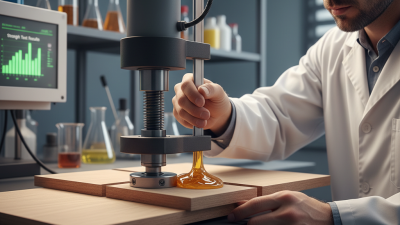
The glue's water-based nature makes it safe for indoor use, as it is non-toxic. Its quick drying time is another advantageous feature. Yet, users should remember that humidity can affect its performance. When working on intricate projects, testing for durability is crucial to ensure a lasting bond. Overall, while Polyvinyl Acetate Glue is reliable, artisans must be mindful of its limitations. Crafting is an art, and understanding each material, including the adhesives like PVA, can significantly enhance the final outcome.
Understanding Polyvinyl Acetate Glue: What It Is and How It Works
Polyvinyl acetate (PVA) glue is widely used in craft and DIY projects. This adhesive is known for its versatility and ease of use. PVA is a non-toxic, water-based adhesive that bonds well to wood, paper, and fabric. According to a 2020 industry report, the global demand for PVA glue has increased by 5% annually, reflecting its popularity among crafters.
One of the main advantages of PVA glue is its quick drying time. It generally sets in 30 minutes, making it ideal for projects that require speed. When applied, it forms a flexible bond that can withstand some movement without cracking. However, it is important to note that while PVA glue is water-resistant once cured, it is not waterproof. This limitation means that projects exposed to moisture may need additional protection.
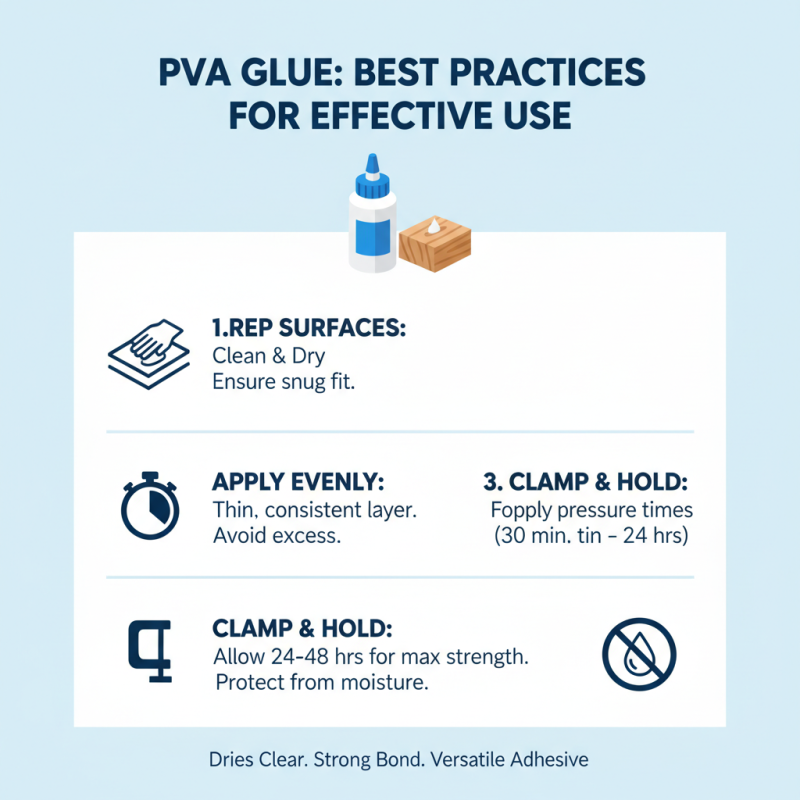
The application process is straightforward. Ensure surfaces are clean before gluing. For best results, spread a thin layer evenly across the surface. Monitoring curing conditions is crucial. Temperatures and humidity levels can impact drying times. While PVA glue has many positive attributes, users should consider potential weaknesses in high-stress or outdoor scenarios.
Why Choose Polyvinyl Acetate Glue for Your Craft and DIY Projects?
| Property |
Description |
| Type of Glue |
Water-based, non-toxic adhesive |
| Drying Time |
Typically 30 minutes to 1 hour for setting |
| Bonding Strength |
Strong adhesion for porous materials |
| Best Used On |
Paper, wood, fabric, and some porous ceramics |
| Cleanup |
Easily cleaned with water when wet |
| Temperature Resistance |
Moderate resistance, not ideal for extreme conditions |
| Color When Dry |
Clear or white, depending on the formulation |
| Application Method |
Applied using a brush, wand, or nozzle |
Key Advantages of Using Polyvinyl Acetate Glue in Crafts and DIY
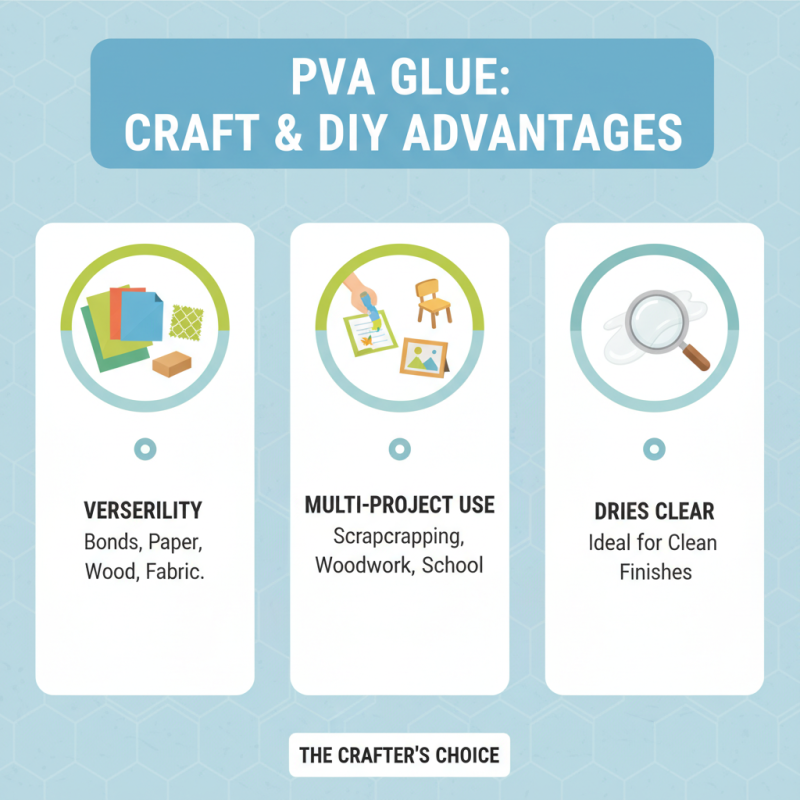
Polyvinyl acetate glue, commonly known as PVA glue, is a favorite among crafters and DIY enthusiasts. Its primary advantage lies in its versatility. This adhesive works well on various materials, including paper, wood, and fabric. You can use it for scrapbooking, woodworking, and even school projects. PVA glue dries clear, making it ideal for visible projects where aesthetics matter.
The ease of use is another key benefit. Applying PVA glue is straightforward; just squeeze it out and spread it evenly. Cleanup is simple too, as it can be washed away with water while wet. However, users must consider that once it dries, it becomes water-resistant but not waterproof. This aspect requires reflection on project choices. For example, avoid using it for outdoor crafts if permanent water exposure is likely.
Safety is paramount when choosing any adhesive. PVA glue is non-toxic, making it a safe option for children and adults alike. However, ventilation is essential during application to avoid inhaling fumes. Understanding these nuances allows for better project outcomes. Experience indicates that testing on a scrap piece first can help gauge how well the glue performs with your specific materials.
Comparing Polyvinyl Acetate to Other Types of Adhesives
When selecting an adhesive for crafts, polyvinyl acetate (PVA) glue stands out for several reasons. PVA is a water-based adhesive, making it easy to clean up and safe for various surfaces. Unlike hot glue, which can be too quick-drying and requires careful handling, PVA offers a bit more flexibility. It allows you to adjust the positioning of your materials before it sets. This feature can be especially useful for intricate projects.
Comparatively, other adhesives like super glue or epoxy can be too strong for delicate tasks. They tend to bond too quickly, leaving little room for mistakes. Super glue might even leave unsightly residue if not applied carefully. Moreover, epoxy can be messy and requires mixing, which adds extra steps to your process. Some users find it hard to gauge the right amounts, resulting in wasted materials.
PVA glue also adheres well to porous materials, such as paper and fabric. However, its downside is lower resistance to moisture. This aspect can be a concern for projects exposed to water or high humidity. When choosing an adhesive, consider your project's specific needs. Experimentation may reveal situations where PVA shines or where alternatives perform better.
Common Applications and Projects for Polyvinyl Acetate Glue
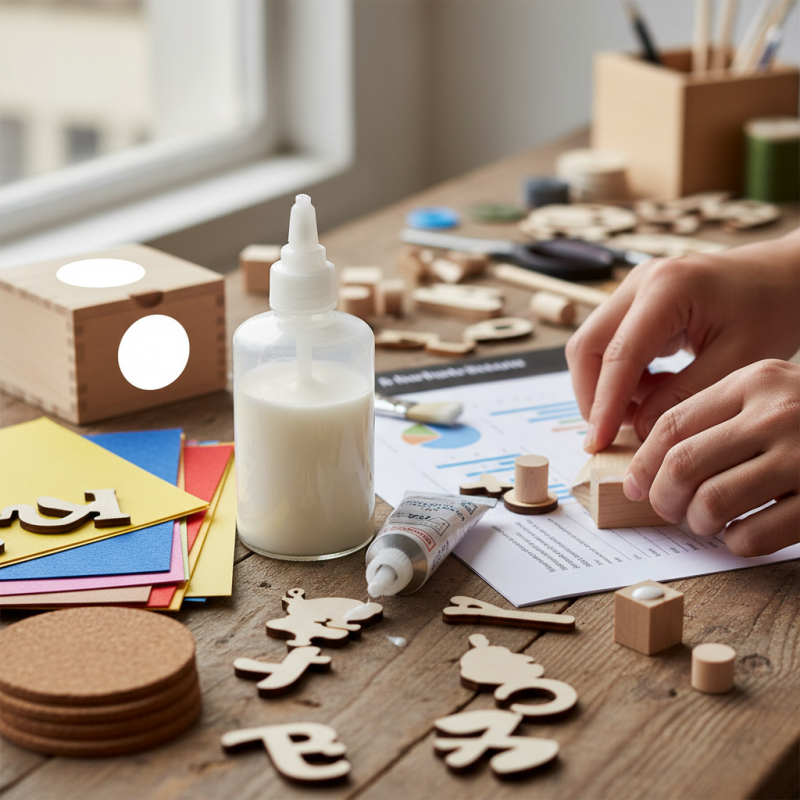
Polyvinyl Acetate (PVA) glue is a popular choice for various craft and DIY projects. Its versatility makes it suitable for paper, wood, fabric, and even some porous surfaces. According to a report by the Adhesive and Sealant Council (ASC), the PVA adhesive market is expected to grow by 4.5% annually through 2028. Many artisan crafters appreciate the ease of use and the strong bond it forms.
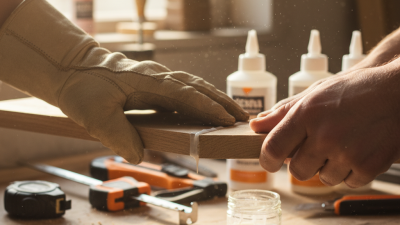
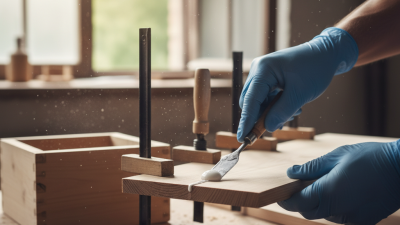
In woodworking, PVA glue is often preferred for joinery. It is easy to clean up and dries clear, making it ideal for visible joints. A study published by the Wood Research Institute found that PVA glue provides superior bonding strength compared to other adhesives in wood applications. However, its water resistance can be a concern in humid environments. Users should consider applying a protective finish to ensure durability.
For paper crafting, PVA glue is a staple. It allows for precise application, crucial for intricate designs. Additionally, it dries quickly and adheres well without warping paper. However, crafters should be mindful that excessive use can lead to wrinkling of lightweight paper. Balancing the application can enhance the quality of the final project, ensuring that creativity shines through.
 +86-15666836565
 CONTACT NUMBER