+86-15666836565
Leave Your Message
-
CONTACT NUMBER
-
 CONTACT NUMBER
Polyurethane reactive adhesive, widely known as Pur Adhesive, is gaining attention across furniture, packaging, footwear, automotive, and electronics manufacturing. Its moisture-curing chemistry can create strong bonds with low visible residue. It also supports lighter designs and faster assembly lines.
Industry data confirms this direction. Grand View Research identifies polyurethane adhesives as a growing global market, driven by construction, transportation, and flexible packaging demand. MarketsandMarkets also projects continued expansion through this decade, supported by higher-performance bonding and lightweight material requirements. Exact forecasts differ between reports. That difference matters. Buyers should compare definitions, regions, and product categories before accepting a market figure.
China has become a major sourcing base for adhesive technologies, supported by extensive chemical manufacturing capacity and export experience. However, supplier quality is not uniform. A practical comparison of China’s top 10 PUR Adhesive suppliers should examine technical service, production consistency, moisture control, curing speed, open time, viscosity, and substrate compatibility. Certificates such as ISO 9001 can support credibility, but they cannot replace batch testing.
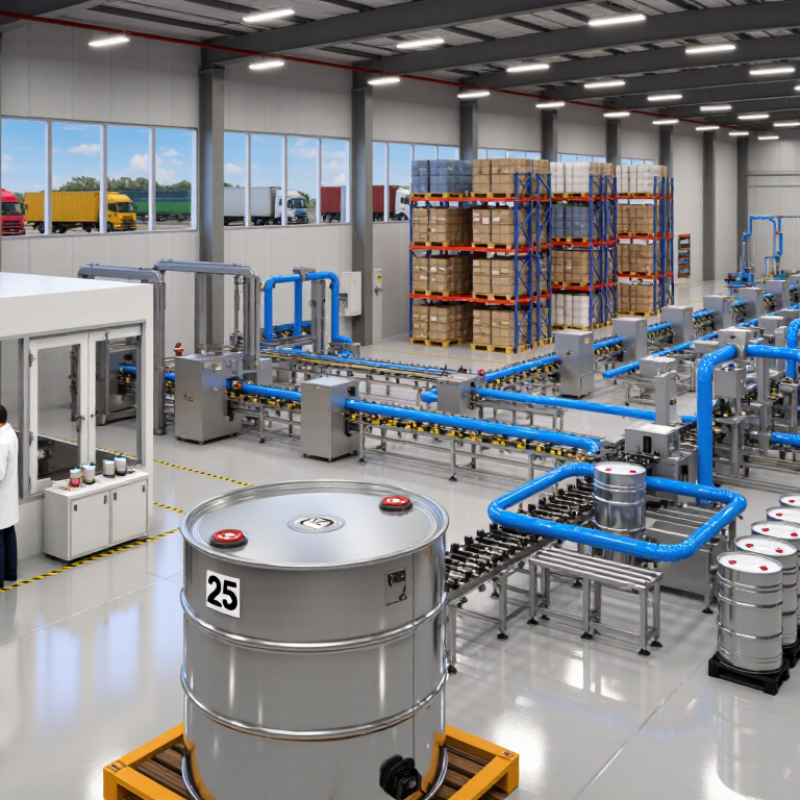
Strong suppliers should provide technical data sheets, safety data sheets, sample support, and clear storage instructions. A reliable factory can explain how a 25-kilogram drum behaves after transport, temperature changes, and repeated opening. That detail often separates marketing from manufacturing experience.
This guide does not treat ranking as permanent. Prices, capacity, certifications, and export performance can change. Global buyers should verify current factory information, test samples under real production conditions, and confirm compliance with destination-market requirements before signing a contract.
China Top 10 PUR Adhesive Suppliers for Global Buyers
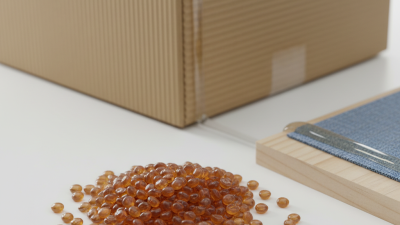
Reactive hot-melt PUR adhesives combine fast green strength with moisture-driven curing. They are applied as molten films, beads, or sprays. After cooling, ambient moisture completes the crosslinking process. This suits furniture edging, panels, textiles, and automotive interiors. Grand View Research valued the global hot-melt adhesives market at approximately USD 11 billion in 2023. Its forecast also indicates steady growth through 2030, supported by lightweight assembly and solvent reduction.
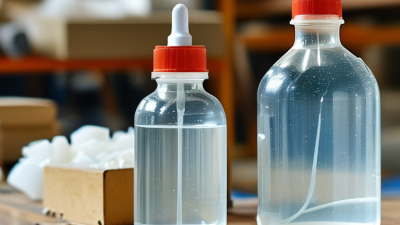
Moisture-cure PUR systems are simpler in equipment requirements, but humidity control remains critical. A production line may need sealed cartridges, dry storage, and controlled open time. A small water exposure can create bubbles or premature skinning. Two-component PUR systems mix resin and hardener shortly before application. They offer adjustable working time and strong resistance to heat, water, and chemicals. MarketsandMarkets identifies polyurethane adhesives as a growing segment, driven by construction, transportation, and flexible material bonding.
Performance depends on more than tensile strength. Buyers should request viscosity curves, curing speed at defined humidity, substrate compatibility, and aging data. A supplier’s laboratory results are useful, but independent trials are safer. It is tempting to compare suppliers only by price. That shortcut can fail. Packaging stability, nozzle cleanliness, batch consistency, and technical response often determine the real cost. Chinese suppliers serving global buyers should provide traceable test reports, clear storage limits, and samples tested on the buyer’s actual line. Some data will still look incomplete. That deserves questions, not assumptions.
Anonymous supplier profiles organized by commercially relevant PUR adhesive capabilities and typical technical ranges
| Rank | Anonymous Supplier Profile | Primary PUR System | Typical Product Form | Typical Viscosity Range | Typical Open Time / Working Time | Curing Mechanism | Common Applications | Typical Packaging | Key Global-Buyer Checks |
|---|---|---|---|---|---|---|---|---|---|
| 1 | Supplier Profile 01 | Reactive Hot-Melt PUR | Solid adhesive blocks, granules, or pellets | Approx. 3,000–15,000 mPa·s at 120°C | Approx. 20–90 seconds | Initial cooling followed by moisture reaction and cross-linking | Edgebanding, profile wrapping, panel lamination, furniture assembly | 2–25 kg moisture-barrier bags, cartridges, or aluminum pails | Check application temperature, open time, substrate compatibility, and moisture-barrier packaging |
| 2 | Supplier Profile 02 | Reactive Hot-Melt PUR | Low-viscosity pellets or pre-melted adhesive | Approx. 2,000–8,000 mPa·s at 110–130°C | Approx. 30–120 seconds | Physical setting followed by moisture-curing reaction | Bookbinding, soft-cover production, textile lamination, nonwoven bonding | Sealed foil bags, lined cartons, or heated bulk containers | Confirm machine temperature limits, nozzle design, line speed, and residual monomer documentation |
| 3 | Supplier Profile 03 | Moisture-Cure PUR | One-component liquid adhesive | Approx. 1,000–6,000 mPa·s at 25°C | Approx. 10–60 minutes, depending on humidity and film thickness | Reaction with atmospheric or substrate moisture | Wood bonding, construction panels, flooring, insulation materials | 250 g–25 kg moisture-resistant bottles, pails, or drums | Review moisture content, clamp time, storage temperature, and maximum usable life after opening |
| 4 | Supplier Profile 04 | Two-Component PUR | Separate resin and isocyanate components | Approx. 500–10,000 mPa·s at 25°C | Approx. 20–90 minutes after mixing | Chemical reaction between polyol and isocyanate components | Structural panel bonding, transportation interiors, composite assembly | Matched pails, drums, or dual-cartridge systems | Verify mix ratio, pot life, curing profile, equipment cleaning method, and safety data sheets |
| 5 | Supplier Profile 05 | Reactive Hot-Melt PUR | High-performance solid adhesive for automated lines | Approx. 4,000–20,000 mPa·s at 120°C | Approx. 15–75 seconds | Rapid cooling with subsequent moisture-induced cross-linking | Automotive interior trim, furniture components, appliance assembly | Moisture-proof foil bags or sealed metal containers | Request heat-aging, humidity-aging, peel-strength, and temperature-resistance test data |
| 6 | Supplier Profile 06 | Moisture-Cure PUR | Medium-viscosity liquid, sprayable or roll-coatable grades | Approx. 800–4,000 mPa·s at 25°C | Approx. 5–45 minutes | Moisture-triggered chemical curing | Sandwich panels, roofing components, wood products, flexible laminates | Small bottles, pails, drums, or bulk containers with desiccant protection | Check coating method, recommended spread rate, humidity window, and substrate porosity |
| 7 | Supplier Profile 07 | Two-Component PUR | Fast-reacting adhesive supplied in A/B sets | Approx. 1,000–12,000 mPa·s at 25°C | Approx. 5–40 minutes after mixing | Two-part polymerization with limited dependence on ambient humidity | Metal-to-composite bonding, vehicle components, industrial assemblies | 1:1, 2:1, or 4:1 dual cartridges; pails and drums for production | Confirm exact volumetric mix ratio, mixer compatibility, tensile strength, and temperature resistance |
| 8 | Supplier Profile 08 | Reactive Hot-Melt PUR | Flexible and low-temperature application grades | Approx. 1,500–10,000 mPa·s at 100–120°C | Approx. 30–150 seconds | Thermoplastic setting followed by moisture cross-linking | Flexible packaging, decorative films, mattress components, textile bonding | Foil-wrapped blocks, pellets, or sealed pouches | Evaluate flexibility, migration requirements, odor, application temperature, and film compatibility |
| 9 | Supplier Profile 09 | Moisture-Cure PUR | High-strength one-component liquid adhesive | Approx. 2,000–10,000 mPa·s at 25°C | Approx. 15–90 minutes | Reaction with moisture followed by elastomeric or cross-linked network formation | Heavy-duty wood assembly, flooring, doors, windows, and building materials | Moisture-barrier bottles, pails, or drums | Check shear strength, gap-filling ability, storage stability, and regulatory classification |
| 10 | Supplier Profile 10 | Two-Component PUR | High-solid structural adhesive system | Approx. 2,000–25,000 mPa·s at 25°C | Approx. 30–180 minutes after mixing | Independent chemical curing of resin and hardener components | Composite panels, renewable-energy components, machinery, and construction systems | Matched pails, drums, or metered dispensing cartridges | Request batch traceability, technical data sheets, environmental declarations, and export packaging specifications |