+86-15666836565


Global buyers are reassessing Polyvinyl Acetate Glue as sourcing priorities shift toward performance, traceability, and lower environmental impact. The adhesive may look simple in a workshop. Yet its quality depends on solids content, viscosity, open time, bond strength, packaging, and storage stability.
Grand View Research reports that the global adhesives market was valued at approximately USD 79 billion in 2024, with continued growth expected through 2030. Mordor Intelligence also identifies water-based adhesives as a major growth segment, supported by packaging, woodworking, paper converting, and construction demand. These reports do not measure every Polyvinyl Acetate Glue grade equally. Their market boundaries differ. That matters.
Dr. George Wypych, author of Handbook of Polymers, describes polyvinyl acetate as “one of the most important vinyl polymers.” His observation remains relevant for sourcing teams. PVAc glue can offer clean application, practical curing behavior, and broad usability. However, low price alone does not prove value. A supplier with attractive pricing may still provide inconsistent viscosity, weak batch documentation, or unsuitable cold-weather performance.
For 2026 sourcing, buyers should compare technical data sheets, safety documentation, factory controls, test samples, and delivered-cost estimates. A sample may bond well on dry plywood but fail on porous paper or humid furniture components. That uncomfortable gap deserves attention. The best Polyvinyl Acetate Glue is not simply the cheapest product or the strongest formula. It is the grade that matches the application, complies with destination-market requirements, and performs consistently after shipment.

Polyvinyl acetate glue, often called PVA glue, is a water-based adhesive made from polymer particles dispersed in liquid. It usually appears white or pale cream in the bottle. As the water evaporates, the particles move closer together and form a flexible plastic film. That film creates the bond between porous surfaces such as paper, wood, cardboard, and fabric.
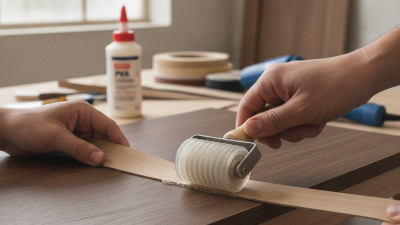
The glue works best when surfaces are clean, dry, and closely fitted. Apply a thin, even layer with a brush or spreader. Too much adhesive can extend drying time and weaken the joint. Light clamping helps maintain contact while moisture leaves the bond. In practical workshop testing, wood joints often feel firm after several hours, but full strength may require longer curing.
Temperature and humidity matter. Cold conditions slow water evaporation, while excessive moisture can leave the joint soft. PVA glue is not suitable for every application. It may perform poorly on smooth plastic, metal, oily wood, or constantly wet surfaces. That limitation is easy to overlook.
For global sourcing in 2026, buyers should check viscosity, open time, solids content, packaging stability, and batch consistency. A reliable supplier should provide technical data and clear storage guidance. Small sample trials remain important. A specification sheet can look convincing, yet the glue may behave differently on local materials. Test brushability, squeeze-out, drying time, and bond strength before approving a larger order.
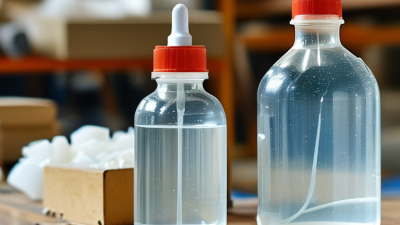
When comparing PVAc glue suppliers for global sourcing, performance should lead the discussion, not price alone. Start with viscosity, solids content, open time, and setting speed. These values affect spreading, absorption, and production rhythm. A glue that sets too quickly may cause poor alignment. One that dries slowly can reduce factory output.
I have learned to test the adhesive on the actual materials, such as plywood, paper, fabric, or solid wood. Laboratory data helps, but shop-floor behavior can differ. Check bond strength after curing, moisture resistance, temperature tolerance, and flexibility. Packaging also matters. Sealed pails, clear batch codes, and suitable shipping temperatures protect product quality. Ask suppliers for recent technical data sheets, safety documents, certificates of analysis, and batch-control records. Consistency is crucial. One excellent sample proves very little.
Tips: Request samples from several production batches. Test them under normal and stressful conditions. Compare viscosity after storage, not only when newly opened. Ask about minimum order quantities, lead times, and complaint handling. My earlier mistake was trusting a low quotation too quickly. It ignored rework costs and delayed deliveries. Supplier audits may feel inconvenient, but they often reveal weak testing systems. Do not assume every claimed specification is equally reliable. Verify it.
2026 Best Polyvinyl Acetate Glue for Global Sourcing?
How to Evaluate PVAc Glue Quality for Global Sourcing
Evaluating PVAc glue requires more than checking viscosity or price. Start with a controlled sample test on the actual materials, such as softwood, plywood, or paperboard. Record open time, spreadability, curing speed, and final bond strength. A reliable supplier should provide a consistent technical data sheet, batch number, production date, and certificate of analysis. Check solids content and pH, because both can affect drying behavior and storage stability.
Tips: Test at realistic temperatures and humidity levels. Repeat each test at least three times. Inspect the cured joint after 24 hours and again after seven days. A strong first bond can mislead you. I once saw a sample perform well in a dry workshop but weaken after humid storage. That result changed the evaluation plan.
For global sourcing, examine packaging before approving the formula. Sealed containers should resist leakage, contamination, and temperature changes during transport. Ask about shelf life, recommended storage, minimum order quantity, and production capacity. Supplier communication also matters. Slow answers may signal weak technical support, though this is not always conclusive. Compare samples from different batches, not just different suppliers. Keep written records of test conditions and failures. A small variation in application rate can produce a large difference in bond performance. Recheck the glue before every major purchase.
Global sourcing of polyvinyl acetate glue starts with the package, not the purchase order. For liquid adhesive, use leak-resistant inner containers, sealed caps, and absorbent secondary protection. A 20-liter pail needs a rigid pallet, corner protection, and a clear batch label. Small labels matter. Mark net weight, production date, shelf life, storage temperature, and country of origin.
The 2024 UNCTAD Review of Maritime Transport reports that more than 80% of world merchandise trade by volume moves by sea. Salt air, heat, and long dwell times can expose weak closures.
Ask for the safety data sheet, technical data sheet, certificate of analysis, and traceable lot record. Confirm whether the formulation is classified as dangerous goods under current safety and destination rules. Do not assume water-based means exempt. The UN GHS Revision 10 provides the classification framework, while the current IMDG Code governs applicable maritime shipments.
For factory approval, ISO 9001 evidence can help, but it does not replace incoming viscosity, solids, pH, and bond-strength testing.
The ISO Survey 2023 recorded over 1.26 million ISO 9001 certificates worldwide. That shows adoption, not automatic quality. The distinction is easy to miss.
Request food-contact, toy, or environmental declarations only when the end use requires them. Check the regulation, test method, and certificate scope. A certificate without batch linkage is weak evidence. I have seen sourcing files look complete while missing the transport classification page. That gap can delay customs clearance.
Keep English labels, invoices, packing lists, HS classification support, and emergency contacts consistent. Test one pilot shipment. Review leakage, viscosity drift, and pallet damage before scaling. The process is not perfect; supplier claims still need independent checks.
How to Select the Best PVAc Glue for Your Application
Selecting the best PVAc glue starts with the materials, not the product label. For furniture assembly, check whether you bond softwood, hardwood, plywood, or porous panels. Wood moisture should remain reasonably stable, usually near 8–12% for indoor work. A glue that spreads well on pine may wet dense maple poorly. Small details matter.
Match viscosity and open time to your production speed. A thin adhesive can penetrate end grain, while a higher-viscosity grade may reduce dripping on vertical joints. Measure clamping time under your actual workshop temperature. Cold conditions can slow curing sharply. Test it dry. In my production trials, a glue performed well in the laboratory but struggled on a dusty assembly line. Surface preparation changed the result more than expected.
For global sourcing, request a technical data sheet, safety data sheet, certificate of analysis, and batch consistency records. Check solids content, pH, viscosity range, minimum film-forming temperature, and recommended storage conditions. Packaging also matters; leaking pails can damage an otherwise reliable shipment. Ask for samples from more than one batch, then test bond strength, creep resistance, sanding behavior, and aging after humidity exposure. Do not rely only on a supplier’s stated performance. Your press pressure, wood species, application equipment, and delivery climate may produce different results. Keep a written trial record. It makes later decisions easier, though it will not eliminate every surprise.
Comparative sourcing guide for water-based PVAc adhesives. The ranges below are typical commercial specifications and should be confirmed with a supplier's current technical data sheet, safety data sheet, and application trial.
| PVAc Glue Type | Best-Fit Applications | Typical Solids Content | Typical Viscosity | Open Assembly Time | Typical Press / Set Time | Moisture Resistance | Key Selection Criteria | Sourcing Priority |
|---|---|---|---|---|---|---|---|---|
| Standard Interior PVAc | General woodworking, paper bonding, cardboard converting, DIY repairs, and porous wood joints used indoors. | 40–55% by weight | 3,000–8,000 mPa·s at 20–25°C | 5–15 minutes | 20–60 minutes; full strength commonly develops within 24 hours. | Limited; suitable for dry interior conditions. | Low cost, smooth application, adequate wet tack, and compatibility with the intended substrate. | Cost and general performance |
| Fast-Setting PVAc | High-throughput furniture assembly, edge gluing, profile wrapping, packaging, and production lines with short cycle times. | 45–55% by weight | 4,000–10,000 mPa·s at 20–25°C | 2–8 minutes | 10–30 minutes, depending on pressure, temperature, and material porosity. | Usually limited to moderate interior exposure. | Balance between rapid set, sufficient working time, machine stability, and resistance to stringing. | Production speed |
| High-Viscosity PVAc | Vertical assembly, porous or uneven wood, gap-reducing applications, and manual application with brush, roller, or nozzle. | 45–60% by weight | 8,000–20,000 mPa·s at 20–25°C | 5–15 minutes | 30–90 minutes, depending on joint fit and clamping pressure. | Generally interior grade unless specifically modified and tested. | Non-sag behavior, spread rate, pumpability, nozzle compatibility, and ease of cleanup. | Application control |
| Low-Viscosity PVAc | Paper lamination, automatic coating, porous substrates, spray-capable systems, and high-speed converting equipment. | 35–50% by weight | 500–3,000 mPa·s at 20–25°C | 3–12 minutes | 15–45 minutes, influenced strongly by coat weight and drying conditions. | Typically limited unless a higher-resistance grade is specified. | Stable flow, low foaming, uniform wetting, clean machine run, and controlled penetration. | Equipment compatibility |
| Water-Resistant PVAc, D3-Class Target | Interior furniture, kitchens, bathrooms, window components, and applications exposed to intermittent moisture. | 45–55% by weight | 4,000–12,000 mPa·s at 20–25°C | 5–15 minutes | 30–90 minutes; joint strength and resistance continue to develop after assembly. | Suitable for intermittent moisture exposure when the finished adhesive meets the applicable D3 requirements. | Verified water-resistance classification, creep resistance, bond durability, and substrate compatibility. | Moisture performance |
| High Water-Resistance PVAc, D4-Class Target | Exterior sheltered joinery, demanding interior components, and assemblies requiring higher intermittent-water resistance. | 45–60% by weight | 5,000–15,000 mPa·s at 20–25°C | 5–15 minutes | 45–120 minutes; exact conditions must be established through trials. | Higher resistance than standard interior PVAc; performance depends on the complete joint design. | Independent classification or test evidence, long-term creep behavior, temperature resistance, and gap tolerance. | Durability and compliance |
| Plasticized or Flexible PVAc | Flexible paper products, labels, bookbinding, coated materials, and assemblies where a less brittle adhesive film is needed. | 35–55% by weight | 1,000–8,000 mPa·s at 20–25°C | 5–20 minutes | 20–60 minutes, depending on film thickness and absorbency. | Usually not intended for continuous water exposure. | Film flexibility, bend resistance, plasticizer migration risk, adhesion to coated surfaces, and aging behavior. | Flexibility and appearance |
| Low-Emission / Formaldehyde-Free PVAc | Indoor furniture, children’s products, residential woodworking, and projects requiring a water-based adhesive with controlled emissions. | 40–55% by weight | 3,000–12,000 mPa·s at 20–25°C | 5–15 minutes | 20–90 minutes, depending on grade and assembly conditions. | Varies by formulation; low emissions do not automatically mean water resistance. | Documented emission data, restricted-substance declarations, odor profile, and suitability for the final product. | Indoor product safety |
| Paper and Packaging PVAc | Carton forming, paper bags, envelopes, bookbinding, labels, and porous fiber-based packaging. | 40–60% by weight | 500–6,000 mPa·s at 20–25°C | 2–10 minutes | 5–45 minutes, depending on line speed, coat weight, and drying airflow. | Normally designed for dry packaging conditions. | High-speed machinability, low foaming, clean cut-off, odor, migration requirements, and recyclability considerations. | Line efficiency and packaging compliance |
| Modified PVAc for Difficult Substrates | Selected coated papers, wood composites, laminates, and mixed porous/nonporous assemblies after technical validation. | 35–55% by weight | 1,000–15,000 mPa·s at 20–25°C | 5–20 minutes | 30–120 minutes, depending on surface preparation and pressure. | Varies widely; must be verified for the actual exposure environment. | Surface energy, wetting, primer needs, peel strength, heat resistance, and compatibility with coatings or additives. | Trial-based selection |
Global sourcing checklist: Request the latest technical data sheet and safety data sheet; confirm viscosity test method, solids measurement method, applicable water-resistance classification, packaging and pallet configuration, minimum order quantity, batch traceability, shelf life, storage temperature, freezing protection, transport regulations, and sample approval before placing a production order.