How to Choose the Best Edge Banding Adhesive for Your Projects?
Choosing the right Edge Banding Adhesive for your woodworking projects can be a daunting task. As woodworking expert John Smith states, "The right adhesive can make or break your edge banding results." This highlights the importance of selecting a high-quality adhesive that suits your specific needs.
Edge Banding Adhesive varies in type, application, and strength. Options include hot melt, PVA, and solvent-based adhesives. Each type has its own advantages and disadvantages. For instance, hot melt adhesives provide quick bonding but may not be as strong over time. Understanding these differences is key for successful projects.
Consider not just the adhesive's bonding capabilities but also its compatibility with various materials. This can affect the durability and appearance of your finished work. Some may find themselves grappling with inadequate adhesion or unsightly finishes. Reflecting on these aspects will guide you to a more informed choice in Edge Banding Adhesive. A thoughtful selection can enhance the quality of your woodworking projects significantly.
Understanding the Types of Edge Banding Adhesives Available
When choosing the right edge banding adhesive for your projects, it's essential to understand the different types available. The most common categories include hot melt adhesives, PVA (polyvinyl acetate), and polyurethane adhesives. Each type has unique properties that may suit various materials and applications.
Hot melt adhesives offer quick bonding, making them ideal for high-volume production. They provide a solid hold but may not be suitable for high-stress areas. PVA adhesives are water-based and easy to clean. They bond well with wood but require longer curing times. On the other hand, polyurethane adhesives are versatile and weather-resistant. This makes them perfect for outdoor projects. However, they can be more challenging to apply.
Selecting the right adhesive can be tricky. Factors like drying time, ease of use, and environmental conditions are critical. It's necessary to consider the specific requirements of your project. Sometimes, a preferred adhesive may not work as expected. So, experimenting with different types can be beneficial. Reflection on past projects can help inform better choices. Always prioritize reliability and strength in your decision-making process.
Evaluating the Suitability of Adhesives Based on Materials Used
Choosing the right edge banding adhesive is crucial for the durability and appearance of your projects. Different materials require specific adhesives for optimal results. For instance, wood-based materials often work best with PVA (polyvinyl acetate) adhesives, which offer good bonding strength and resistance to moisture. In contrast, for laminate surfaces, polyurethane adhesives are recommended for their flexibility and durability.
Tip: Always test the adhesive on a small section first. This practice helps ensure compatibility with your material. According to studies from the Woodworking Institute, approximately 30% of failed bonds are due to improper adhesive selection.
Additionally, consider the temperature and humidity of your workspace. High humidity can weaken the bond strength of certain adhesives. For exterior projects, a moisture-resistant adhesive is essential. If you’re unsure, consulting industry guidelines can clarify which products work best for your specific materials and conditions.
Tip: Documentation is key. Keep records of the adhesives you use and their performance over time. This practice helps you make informed choices in future projects. The feedback from users can influence your adhesive decisions, providing real-world data to guide your selection.
Analyzing the Performance Characteristics of Different Adhesives
Choosing the right edge banding adhesive is crucial for the success of any project. Different types of adhesives offer various performance characteristics, making this choice essential. Factors like bond strength, moisture resistance, and heat tolerance vary significantly among adhesives. For example, a study from the Adhesive and Sealant Council indicates that polyurethane adhesives provide strong moisture resistance, while EVA-based adhesives are popular for their ease of use and quick setting time.
Adhesive testing often reveals that not all options are suitable for every application. Some might struggle with high-temperature environments, while others may not adhere well to oily surfaces. Professionals suggest consulting material data sheets to understand the properties better.
Tips: Always conduct a small adhesion test before full application. This step can save time and resources. Consider using a product with low VOCs emissions to improve indoor air quality. Understanding the working time of each adhesive is also essential. Shorter working times require faster application processes, which might lead to mistakes if not managed well. Remember to evaluate the specific needs of your project to ensure the best performance.
Considering Application Methods for Edge Banding Adhesives
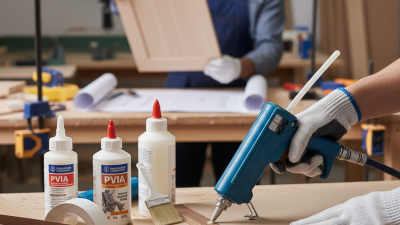
When selecting edge banding adhesives, the application method is crucial to achieving a professional finish. Different techniques affect how well the adhesive bonds and how clean the results appear. For instance, hot melt adhesives offer quick setting times and strong bonds. However, they require precise temperature control. Too hot, and you risk burns; too cool, and adhesion fails. Using a hot melt glue applicator can help maintain the right temperature.
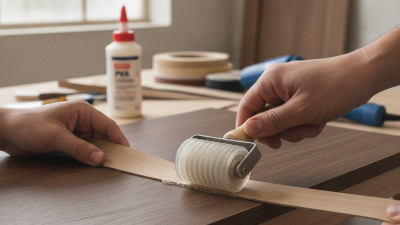
In contrast, PVA (polyvinyl acetate) adhesives are user-friendly and suitable for larger surfaces. They bond well with wood and are easy to clean. Applying this adhesive with a roller ensures an even coat, but it may take longer to set. This can be inconvenient for projects with tight timelines. Assessing your workspace is essential.
Consider the environment where the project takes place. Humidity and temperature can affect drying times. Each method has pros and cons. Test different adhesives and application methods on scrap material before the final application. Understanding these factors will lead to better decision-making for your edge banding projects.
Choosing the Best Edge Banding Adhesive for Your Projects
Assessing Cost and Availability of Edge Banding Adhesives for Projects
When assessing the cost and availability of edge banding adhesives, it's essential to consider multiple factors. The price of adhesives can vary widely based on type and quality. Some may offer competitive pricing, while others come at a premium. Look at local suppliers and online marketplaces to compare prices. Remember, lower cost might reflect lower quality, impacting your project's longevity.
Availability is another key factor. Many adhesives can be found in hardware stores, but not all are always in stock. Niche products may require special orders. This can lead to delays in your project timeline. Check if suppliers have a reliable stock or shipping options.
Don’t forget to think about performance. Some adhesives offer strong bonds but might not be suitable for all applications. Experimenting with different products can result in trial and error. This process might lead to unexpected results. Gathering feedback from other users can provide valuable insights into what works best for specific needs.
How to Choose the Best Edge Banding Adhesive for Your Projects? - Assessing Cost and Availability of Edge Banding Adhesives for Projects
| Adhesive Type |
Cost per Unit |
Availability |
Curing Time |
Strength |
| PVA (Polyvinyl Acetate) |
$15 per gallon |
Readily available |
30 minutes |
Moderate |
| Epoxy |
$25 per gallon |
Limited availability |
1-2 hours |
High |
| Polyurethane |
$20 per gallon |
Widely available |
1 hour |
Very High |
| Hot Melt |
$10 per pound |
Easily available |
Immediate |
Moderate |
| Contact Cement |
$18 per gallon |
Commonly found |
15-30 minutes |
High |
 +86-15666836565
 CONTACT NUMBER